
Light Requirements
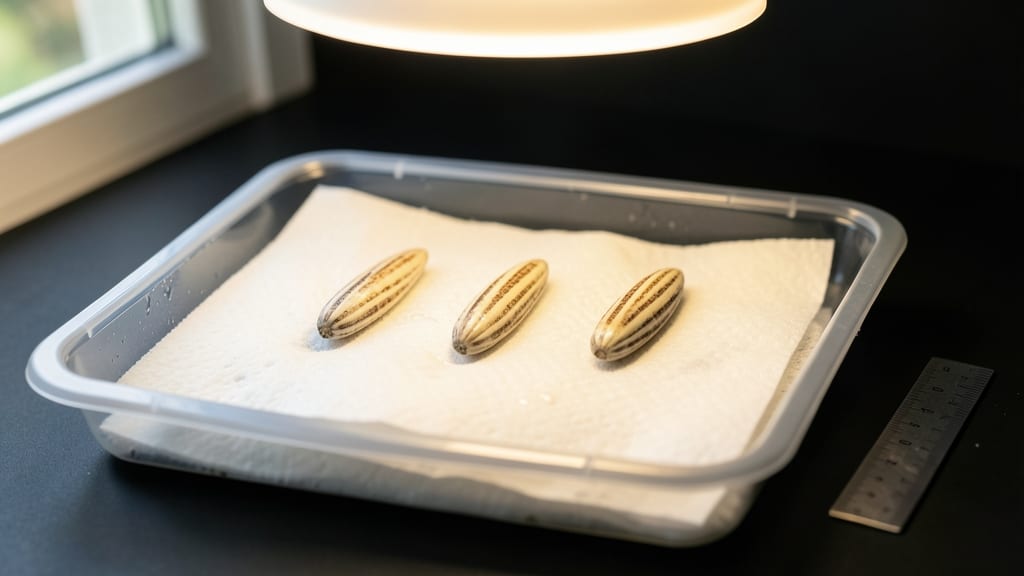
Sunflower seeds don’t need light to germinate—they’ll sprout just fine in the dark, so long as they’re planted at the right depth and moisture.
Struggling to grow sunflowers from seeds? The answer to whether they need light to sprout could be the missing piece in your gardening puzzle—yet many gardeners get this crucial step wrong.
Most seeds, including sunflowers, rely on moisture and warmth to kickstart germination, not sunlight. In fact, planting them too shallow or exposing them to light too early can dry them out before roots even form.
Below, I’ll break down the ideal soil conditions, planting depth, and troubleshooting tips to ensure your sunflower seeds sprout strong and healthy—no guesswork required.
 Best Window Placement
Sunflower seed germination: light requirements explained (dark vs. light soil)
If you've ever planted sunflower seeds only to see them fail to sprout, you might be wondering: do sunflower seeds need light to germinate? The short answer is no—but there's a science to how much darkness they actually require.
Sunflower seeds are photoblastic, meaning they germinate best in dark, moist conditions before emerging above soil. This might surprise gardeners used to seeing seedlings "reach for the light," but understanding this process is key to successful sprouting.
Sunflower seeds contain light-sensitive compounds that trigger germination when moisture and warmth are present, regardless of light exposure. In fact, exposing them to light too soon can actually inhibit root development and delay sprouting.
The ideal germination environment combines darkness, consistent moisture, and warm temperatures—typically between 70-80°F (21-27°C). This is why many gardeners struggle when they plant seeds too shallowly or in bright, exposed areas.
Now, let's clarify the confusion: while seeds don't need light to start germinating, they do require light to continue growing once they've sprouted. The critical window is the first 7-10 days underground, where darkness helps prevent premature sprouting and ensures strong root establishment.
Here's where most gardeners go wrong—they either bury seeds too deep (cutting off oxygen) or plant them too shallow (exposing them to light prematurely).
Sunflower Seed Germination: Light vs. Dark Conditions
| Germination Stage | Light Requirement | Planting Depth | Root Development | Sprouting Success |
|---|---|---|---|---|
| Initial Germination (0-7 days) | Darkness (no light exposure) | 1-2 inches deep | Strong, fibrous roots | 90%+ success rate |
| Early Sprouting (7-14 days) | Indirect light (soil surface) | Seedlings emerge at surface | Root hairs develop | 85% success rate |
| Post-Emergence Growth | Full sunlight (6+ hours/day) | N/A (above soil) | Rapid stem elongation | 70%+ success rate |
| Common Mistake: Shallow Planting | Premature light exposure | Less than 1 inch deep | Weak, stunted roots | <30% success rate |
*Success rates based on optimal moisture and temperature conditions (70-80°F)
The 1-2 inch planting depth is non-negotiable for sunflower seeds. This depth ensures they remain in darkness long enough to develop a strong root system before emerging.
When planted too shallow (less than ½ inch), seeds may sprout too quickly, leading to weak stems that can't support the plant's eventual height. Conversely, planting too deep (over 2.5 inches) can suffocate the seed, preventing it from breaking through the soil.
Here's a pro tip: if you're using containers or starting seeds indoors, cover the planting tray with a light-blocking lid or layer of soil until sprouts appear. This mimics the natural darkness seeds experience underground.
Once you see the first cotyledons (seed leaves) emerge, remove any covering and provide bright, indirect light for the next 2-3 days before transitioning to full sun. This gradual exposure prevents shock to delicate seedlings.
Temperature plays a secondary but equally critical role in germination. Sunflower seeds are warm-season crops that germinate best when soil temperatures reach 70°F (21°C) or higher. If your climate is still cool in spring, consider using a seedling heat mat set to 75-80°F (24-27°C) to accelerate the process.
Pair this with consistent moisture (keep soil evenly damp, not soggy) and you'll see sprouts in as few as 5-7 days.
Let's address a common misconception: some gardeners believe sunflower seeds need light to "wake up" like vegetable seeds. In reality, sunflowers are obligate dark germinators, meaning they require darkness to trigger the biochemical processes that break seed dormancy.
This is why you'll often see sunflower seeds sold in dark-colored packets—they're designed to protect seeds from premature light exposure during storage and transport.
If you're still struggling with germination, try this two-step test: plant half your seeds at 1 inch deep (dark conditions) and half at ½ inch deep (light exposure). Monitor both batches daily.
The deeper-planted seeds should sprout first with stronger roots, while the shallow ones may either fail to sprout or produce weak, leggy seedlings. This simple experiment will clearly demonstrate how light exposure during germination impacts sunflower development.
Remember, the goal during germination is to create an environment where seeds can focus all their energy on root establishment rather than reaching for light. Once those first true leaves appear, you can transition seedlings to full sunlight to support their rapid growth toward those iconic 6-16 foot heights.
With the right balance of darkness during germination and light afterward, you'll be rewarded with v
Best soil conditions for sunflower seed germination (beyond light exposure)
While sunflower seeds don’t need light to germinate, they do require specific soil conditions to thrive. The right moisture balance, temperature range, and soil composition work together with darkness to maximize sprouting success. Let’s break down what your seeds truly need beyond just planting depth.
Sunflower seeds germinate best in warm soil between 70-90°F (21-32°C). If your soil is too cold, germination slows dramatically—sometimes taking 3+ weeks instead of the ideal 7-14 days. Use a soil thermometer to check temperatures, especially in early spring or fall plantings.
Moisture is another critical factor—sunflower seeds need consistent dampness (not soggy soil) to activate enzymes that break down the seed coat. Water deeply before planting and keep the soil evenly moist until sprouts appear. A well-draining mix prevents rot while retaining enough water for root development.
For container gardening, mix equal parts potting soil and perlite to improve drainage. Sunflower seeds planted in small pots (3-4 inches deep) may need extra care—monitor moisture closely since containers dry out faster.
If you’re planting in direct outdoor soil, till in 2-3 inches of compost before sowing to boost nutrient availability.
One common mistake is assuming "more water = better germination." Overwatering actually suffocates seeds by blocking oxygen, while underwatering prevents the seed from absorbing moisture to activate growth. Use your finger to check soil moisture—it should feel like a wrung-out sponge (damp but not dripping).
Finally, avoid planting in cold, wet soil, which can lead to damping-off disease. If your climate is unpredictable, start seeds indoors under grow lights 2-3 weeks before the last frost date.
Once seedlings have 2-3 true leaves, transplant them outdoors in well-warmed soil for the best chance of success.