
Flowers
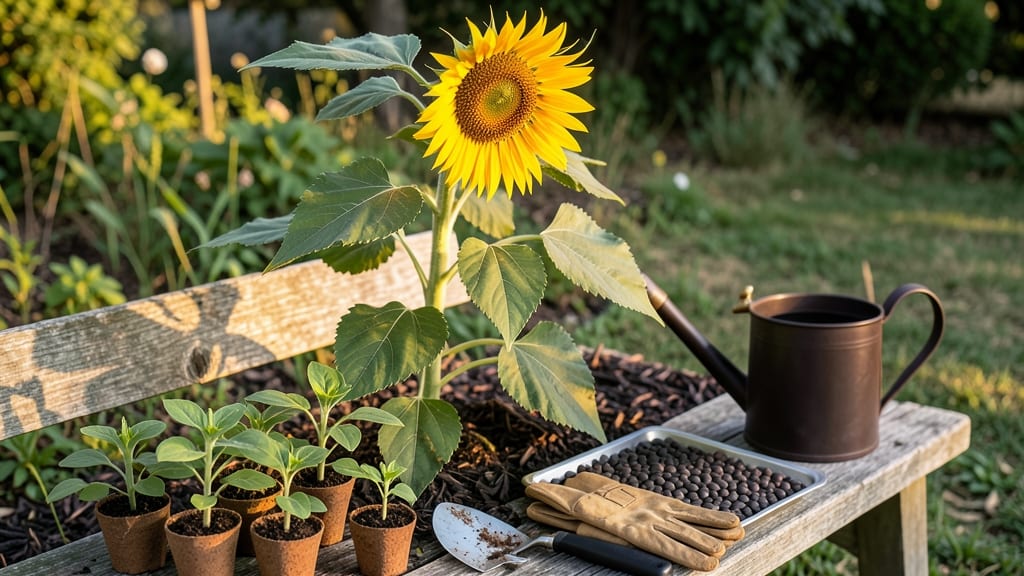
Planting sunflowers in Central Texas at the right time means the difference between vibrant, towering blooms and sad, wilted stalks before summer even arrives.
Sunflowers thrive in Central Texas’s heat—but planting them at the wrong time means wilted dreams instead of towering blooms. Timing is everything to avoid bolting and ensure vibrant, long-lasting flowers.
Most gardeners in USDA Zone 8a and 8b wait until mid-March to early April, when the soil warms up and the threat of frost has passed. But if you’re in the Hill Country, where nights can still dip below freezing, you’ll need to adjust your schedule.
Below, I’ll break down the exact planting window, how to prep your soil, and the key signs your sunflowers are stressed before they even sprout—so you can grow sunflowers that reach their full potential.
Best planting months for sunflowers in Central Texas to avoid bolting
Central Texas's hot summers and unpredictable springs make timing critical for sunflowers. Plant too early, and late frosts can damage seedlings. Plant too late, and bolting (premature flowering) steals energy from those iconic blooms.
The sweet spot? March through early April for most varieties, with a backup window in late summer for second crops.
Sunflowers thrive in USDA Zones 8a-9a, where average last frost dates range from February 15 (North Texas) to March 15 (South Texas). Wait until soil temperatures hit 55°F (13°C)—use a soil thermometer to check. Cold soil slows germination, leaving seedlings vulnerable to damping-off disease.
Here’s your Central Texas sunflower planting timeline, tailored to avoid bolting and maximize bloom size:
For direct sowing, drop seeds ½ inch deep and 12 inches apart in rows 2 feet apart. Transplants? Start seeds indoors 4–6 weeks before your target date. Harden off seedlings by moving them outdoors for 2–3 hours daily before transplanting.
Central Texas’s intense summer heat can trigger bolting. To prevent this, choose shade-tolerant varieties like 'ProCut' or 'Evening Hats' and mulch heavily to keep roots cool. Drip irrigation is a game-changer—it delivers water directly to roots without wetting foliage, reducing fungal risks like powdery mildew.
If you miss the spring window, don’t despair! Late summer (August–September) offers a second chance for sunflowers. Just pick short-day varieties that respond to shorter daylight hours. These blooms will arrive just in time for fall festivals and winter arrangements.
Pro tip: Test your soil before planting. Central Texas soils are often alkaline (pH 7.5–8.5), which can lock out nutrients. Amend with compost or sulfur to target a pH of 6.0–6.8. Sunflowers are forgiving but reward ideal conditions with bigger, brighter blooms.
Watch for bolting signs: elongated stems, yellowing leaves, or premature flower buds. If you catch it early, trim the flower head to redirect energy to foliage. For severe cases, consider replanting with a heat-tolerant variety like 'Russian Giant' or 'Moulin Rouge'.
With the right timing, your sunflowers will reach their full potential—towering over your garden like Central Texas skyscrapers. Start with the March–April window, and you’ll enjoy those golden faces from summer through fall. 🌻
How to adjust sunflower planting for Central Texas heat zones (8a vs. 8b)
Central Texas’s USDA Zone 8a (like Waco) and Zone 8b (Austin/San Antonio) share the same sunflower love—but their microclimates demand different planting strategies. In Zone 8a, late frosts can linger until mid-April, while Zone 8b gardeners often enjoy frost-free soil by early March.
These differences mean the gap between perfect planting windows can be 3-4 weeks, making timing critical for avoiding bolting.
For both zones, soil temperature is your best guide—wait until it reaches 60°F+ before sowing.
In cooler Zone 8a, this might mean delaying until mid-April, while Zone 8b gardeners can start as early as late February. Soil prep also varies: Northern areas need extra compost to retain moisture, while Southern zones benefit from mulching to combat intense summer heat.
Here’s how to align your planting schedule with your local heat zone, plus soil and watering tweaks to ensure your sunflowers thrive:
| Factor | USDA Zone 8a (Waco) | USDA Zone 8b (Austin/San Antonio) |
|---|---|---|
| Best Planting Window | Mid-April to early May | Late February to March |
| Soil Prep | Add 3-4 inches compost; test pH (6.0-7.0) | Mulch after planting; avoid heavy clay |
| Watering Needs | Deep water 2x/week; monitor for drought | Daily watering until established; drip irrigation ideal |
| Frost Risk | High until mid-April; use row covers if early | Low by March; minimal risk after planting |
| Heat Tolerance Tip | Choose early-maturing varieties (e.g., 'Teddy Bear') | Opt for heat-resistant types (e.g., 'Moulin Rouge') |
In Zone 8a, where nights can still dip below 40°F, I recommend starting seeds indoors 4-6 weeks before your target outdoor date. Use heat mats to speed germination, and harden off seedlings gradually.
For Zone 8b, direct sowing works perfectly—just ensure your soil stays consistently moist during germination (about 1 inch of water per week).
Both zones benefit from well-draining soil, but Zone 8b’s intense summer sun demands extra attention. Amend heavy clay with sand or perlite to prevent root rot, and consider shade cloth for young plants if temperatures exceed 95°F.
In Zone 8a, focus on mulching to protect roots from temperature swings.
Pro tip: Test your soil before planting—Central Texas soils often lack phosphorus, which sunflowers crave for blooming. Add a bone meal supplement at planting time, and side-dress with compost tea every 4 weeks. This ensures your sunflowers grow taller and stronger, even in the heat.
By adjusting your approach for your specific heat zone, you’ll avoid the common pitfalls of bolting or stunted growth. Whether you’re in Waco or Austin, these tweaks will help you grow sunflowers that reach their full potential—and bring that iconic Texas sunshine to your garden! 🌻