
Flowers
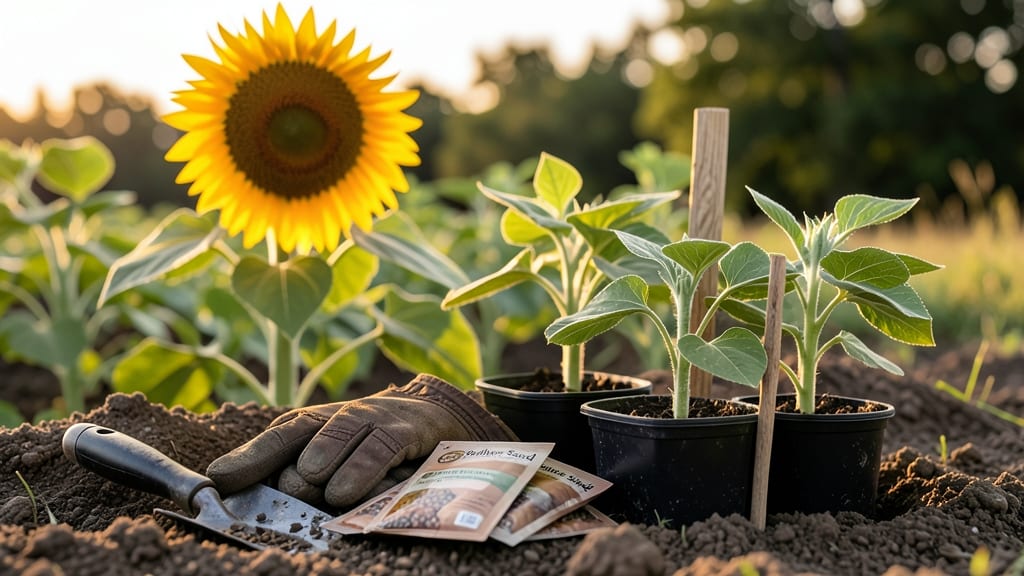
To plant sunflowers in Colorado for the biggest blooms, aim for mid-April to mid-July when soil warms and frost risks fade 🌻 — timing is everything for those towering stems and vibrant faces.
Picture this: you’ve cleared the garden bed, seeds in hand, only to watch a late frost nip your seedlings before they even stand tall. That’s the reality for Colorado gardeners who plant too early, and it’s why knowing your microclimate matters more than just checking a calendar.
Colorado’s varied elevations mean the Front Range and Western Slope have different frost-free dates than the Eastern Plains. A seed started too soon in Denver might rot, while one planted too late in Grand Junction could bolt before summer’s end.
The key? Adjusting for your USDA zone and soil temperature.
Below, I’ll break down the exact planting windows for your region, plus pro tips for protecting seedlings from hail, drought, and wildlife. By the end, you’ll know not just when to plant, but how to give your sunflowers the best shot at reaching their full, sun-soaked potential.
Best planting dates for sunflowers in Colorado’s 3 key microclimates
Colorado’s diverse geography means your sunflower planting timeline should match your microclimate. Whether you're in the Front Range, Western Slope, or Eastern Plains, understanding your last frost date and soil temperature thresholds is key to avoiding stunted growth or late-season disappointments.
Let’s break down the ideal planting windows for each region so you can grow those towering blooms you’ve been dreaming of.
Sunflowers thrive when planted after the soil warms to 50°F and all danger of frost has passed. In Colorado, this typically means waiting until mid-April to early June, but your exact timing depends on elevation and local conditions.
For direct-sown seeds (the preferred method for sunflowers), aim for a window that gives your plants 90-120 frost-free days to mature. This ensures they’ll reach their full height potential before winter sets in.
Here’s the critical difference between Colorado’s regions: the Front Range has a shorter growing season due to higher elevations, while the Western Slope enjoys warmer temperatures earlier in the year.
The Eastern Plains, with its lower elevation, often gets a longer growing season but faces drought risks that can stress sunflowers if not managed properly. Let’s dive into the specifics for each area.
🌱 Pro Tip: Use a soil thermometer to confirm your soil has reached 50°F before planting. Cold soil can delay germination for weeks, leaving your sunflowers playing catch-up all season.
| Microclimate | Last Frost Date | Ideal Planting Window | Soil Temp Threshold | Frost-Free Days | Notes |
|---|---|---|---|---|---|
| Front Range (Denver, Boulder) | Mid-April to early May | Late April to early June | 50°F+ consistently | 90-110 days | Higher elevations (5,000-7,000 ft); use cold-hardy varieties like 'Autumn Beauty'. |
| Western Slope (Grand Junction, Durango) | Mid-March to early April | Early April to mid-June | 50°F+ (earlier in low desert) | 120-140 days | Warmer microclimates; extend season with late plantings for fall blooms. |
| Eastern Plains (Colorado Springs, Pueblo) | Early April to mid-April | Late April to early July | 50°F+ (soil warms faster) | 110-130 days | Drought-prone; mulch heavily and water deeply during germination. |
For the Front Range, where elevations often exceed 5,000 feet, aim to plant sunflowers between late April and early June. This gives your plants enough time to establish roots before the first frost, which typically arrives in mid-October.
In Denver or Boulder, where nights can still dip below freezing in May, consider using row covers or planting near a south-facing wall to create a microclimate that warms up faster.
If you’re in the Western Slope, you’re in luck! Areas like Grand Junction and Palmer Lake experience warmer temperatures earlier in the year. You can start planting as early as early April, but wait until the soil reaches 50°F to avoid slow germination.
This region’s longer growing season allows for late summer plantings too—try sowing seeds in mid-July for fall blooms that will still thrive before frost.
The Eastern Plains, including Colorado Springs and Pueblo, offer a balance between the Front Range’s chill and the Western Slope’s warmth. Here, plant sunflowers between late April and early July to maximize your frost-free window.
However, be mindful of drought conditions—these areas can experience low humidity and high winds, which dry out soil quickly. Use mulch and drip irrigation to keep roots consistently moist during the critical first 30 days of growth.
No matter where you’re planting, always monitor your local weather forecasts in the weeks leading up to your chosen planting date. A late frost can wipe out tender seedlings, so have a backup plan: keep a few seeds on hand to replant if needed.
For extra protection, consider using biodegradable seedling pots or cloche covers until your plants are at least 6 inches tall.
Remember, sunflowers are fast growers—some varieties reach 10 feet in just 80 days! By aligning your planting with your microclimate’s frost dates and soil conditions, you’ll set your sunflowers up for success.
Whether you’re growing ‘Russian Giants’ for their towering stems or ‘Moulin Rouge’ for their striking bicolor blooms, timing is everything.
🌻 Key Takeaway: Front Range = late April-June; Western Slope = early April-mid-July; Eastern Plains = late April-early July. Adjust for elevation and soil warmth!
How to adjust sunflower planting for Colorado’s unpredictable weather patterns
Colorado’s late spring frosts and sudden hailstorms can turn a promising sunflower patch into a sad memory if you’re not prepared. I’ve learned the hard way—my first attempt at growing sunflowers in Denver’s Zone 5 ended with seedlings frozen under a surprise frost in May.
Since then, I’ve developed a system to protect my plants and adjust planting times based on real-time weather risks.
The key is flexibility. While most gardeners aim for mid-April to mid-July, Colorado’s microclimates demand backup plans. High-altitude areas like Fort Collins may need to wait until early June, while Grand Junction’s longer growing season allows for earlier starts.
But without protection strategies, even the perfect timing can fail when Mother Nature throws a curveball.
Here’s where I’ll show you how to extend your planting window, shield seedlings from hail, and prepare for drought—so your sunflowers stand tall and proud no matter what Colorado throws at them.
⚠️ Colorado’s Hidden Sunflower Risks
- Late frosts can kill seedlings even after "safe" planting dates—wait until soil reaches 50°F and monitor local frost alerts.
- Hail damage is common in summer—use row covers or plant near windbreaks until stems harden.
- Drought stress stunts growth; mulch heavily and water deeply at dawn to prevent shallow roots.
- Wildlife threats (squirrels, deer) target young plants—try chicken wire cages or companion planting with marigolds.
Pro Tip: Backup planting—sow 10% of seeds every 2 weeks from April to June for continuous blooms.
For seedling protection, I swear by cloche tunnels made from PVC pipes and row covers. Last summer, a late May frost hit my Boulder garden, but my sunflowers under cloches shot up while neighbors’ plants wilted.
Even better, these tunnels create a microclimate 5-10°F warmer—perfect for early starts in Zone 6 areas like Colorado Springs.
Don’t overlook drought-resistant varieties like ‘Autumn Beauty’ or ‘Teddy Bear’ if you’re in Western Slope zones. These handle dry spells better than standard types, but they still need consistent moisture during germination.
I’ve found that drip irrigation on timers saves water while keeping roots happy—no more guessing if the soil’s dry enough.
If you’re gardening above 6,000 feet, like in Leadville or Steamboat Springs, plan for a shorter season. Choose early-maturing varieties (50-60 days to harvest) and start seeds indoors 4-6 weeks before your last frost.
My Russian Giant plants in Zone 4 struggled, but ‘Moulin Rouge’ (dwarf variety) thrived with a July 1 planting and bloomed before frost.
Remember, Colorado’s weather is unpredictable—but with these adjustments, your sunflowers will outshine the challenges. Start with the right timing, protect your seedlings, and choose resilient varieties. Before you know it, you’ll have a sunflower sea that turns heads (and maybe even wins local garden contests!). 🌻