
Flowers
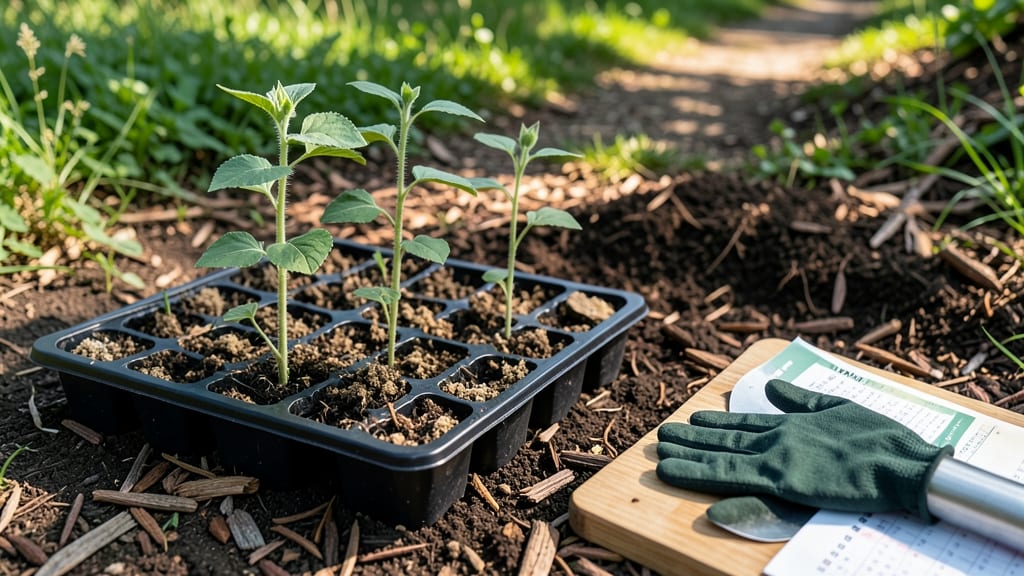
Planting sunflowers in Maine after the last frost date — typically mid-May — sets you up for a stunning summer display and a harvest of seeds by October.
Maine’s short growing season and unpredictable spring weather can make sunflower planting a guessing game—but timing it right ensures towering blooms and bountiful seeds. Whether you’re growing dwarf varieties for containers or giant sunflowers that reach 14 feet, the key is matching your planting window to your zone and variety.
In USDA zones 5-7, soil temperatures need to hit at least 55°F before sowing, which usually aligns with late May in most of the state. Early varieties can go in as soon as the ground is workable, while late-season giants need a longer season to mature.
Below, I’ll break down the best planting windows by zone, how to prep your soil, and tips for protecting seedlings from late frosts—so you can enjoy sunflower season from July through October.
Maine’s frost-free dates by zone: best planting windows for sunflowers
Maine’s USDA hardiness zones 5-6 create unique challenges for sunflower growers, with last frost dates that can vary by 1-2 weeks between northern and southern regions. Unlike tropical plants, sunflowers thrive in cool summers but need warm soil (at least 55°F) to germinate properly.
Getting the timing right means the difference between towering 12-foot stalks and stunted plants that never bloom.
Most Maine gardeners wait until after Memorial Day (mid-May) to plant sunflowers, but this isn’t a one-size-fits-all rule. Northern Maine (zone 5) often sees frost until June 1, while southern coastal areas (zone 6) may be safe by May 15.
The key is tracking soil temperature—not just air temperature—since cold ground can delay germination for weeks.
Here’s the comparison-table breaking down optimal planting windows by zone, including historical frost data and soil temperature requirements for sunflowers:
For early-season varieties like 'Teddy Bear' (50-60 days to maturity), you can push the envelope and plant as early as late April in zone 6—but only if you’re prepared to use row covers or a mini greenhouse to protect seedlings from late frosts.
These dwarf sunflowers (2-4 feet tall) are perfect for Maine’s shorter season and can even be grown in containers on patios.
If you’re growing tall varieties like 'Russian Giant' (120+ days to maturity), aim for late May to early June planting to ensure they reach maturity before Maine’s first frost (typically mid-October).
These giants need full sun and deep, well-drained soil, so choose your planting spot carefully—avoid low-lying areas where cold air pools.
One critical mistake Maine gardeners make is planting sunflowers too early and then getting frustrated when they fail to sprout. Sunflower seeds won’t germinate in cold soil (below 50°F), so always check with a soil thermometer before planting.
If your soil is still chilly, wait another week or use black plastic mulch to warm it up faster.
For extended harvests, consider succession planting: sow a batch every 2 weeks from late May through early July. This ensures you’ll have blooms from July through September, even if early plantings get hit by unexpected late frosts.
Just be sure to space your rows properly—sunflowers need 12-24 inches between plants, depending on the variety.
Don’t forget that Maine’s climate is unpredictable. Even if the 10-year average says your last frost is May 25, you might see frost in early June one year and none until July the next.
Keep a frost watch calendar and have row covers ready to protect young seedlings if cool snaps hit after planting.
Pro tip: Plant sunflowers near your compost pile—they love nutrient-rich soil and will thrive with the extra organic matter. Add a handful of compost to each planting hole, and your sunflowers will reward you with bigger blooms and heavier seed heads.
With the right timing and a little preparation, you can grow stunning sunflowers in Maine, even with our short growing season. Start with early varieties, monitor your soil temperature, and don’t be afraid to extend your season with protective covers.
Soon, you’ll be enjoying sunflower bouquets straight from your garden—no greenhouse required!
Sunflower variety planting guide: dwarf vs giant vs tall varieties
Choosing the right sunflower variety for Maine’s short season means balancing maturity timelines with frost sensitivity. Dwarf varieties like 'Moulin Rouge' mature in 50-60 days, while giants like 'Russian Giant' take 100-120 days. Your planting window must align with these timelines to avoid frost damage before harvest.
Maine’s USDA Zones 5-6 demand precise timing—plant too early, and seedlings face late frost risks; too late, and you’ll miss the harvest window. Fast-maturing dwarfs are ideal for late May starts, while giants need early June planting to reach maturity before October’s first frost.
| Variety Type | Mature Height | Days to Maturity | Best Planting Window | Frost Sensitivity |
|---|---|---|---|---|
| Dwarf ('Moulin Rouge') | 2-4 ft | 50-60 days | Late May - Early June | Low |
| Semi-Dwarf ('Teddy Bear') | 4-6 ft | 60-75 days | Early June | Moderate |
| Standard ('Autumn Beauty') | 8-10 ft | 80-90 days | Mid-June | High |
| Giant ('Russian Giant') | 12-14 ft | 100-120 days | Early June (or start indoors) | Very High |
For giant varieties, consider indoor starts 4-6 weeks before your last frost date (typically mid-May). Transplant seedlings outdoors after soil warms to 55°F and all frost risk has passed. This extends their growing window by 2-3 weeks, critical for Maine’s short season.
If you’re direct sowing, dwarf varieties can handle late May planting and still mature before frost. For tall varieties, aim for early June to ensure they reach full height before October’s first frost. Always monitor weather forecasts—Maine’s unpredictable springs can delay planting by weeks.
Pro tip: Use row covers for early starts to protect seedlings from late frosts. For giant varieties, stake plants early to prevent wind damage—Maine’s coastal areas see strong winds that can snap stems. Even dwarf varieties benefit from supportive cages to keep blooms upright.
Remember, harvest timing is just as critical as planting. Dwarf varieties may be ready by late July, while giants could extend into September. Watch for seed heads turning brown—this signals peak harvest time before seeds scatter.
In Maine, late-season varieties like 'Autumn Beauty' often provide the longest harvest window.