
Flowers
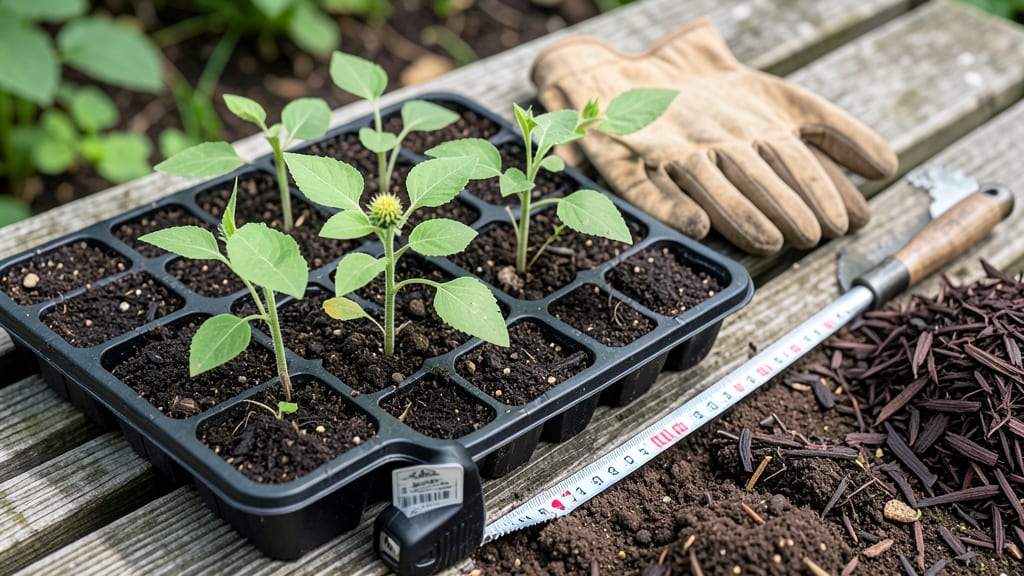
Plant sunflowers in North Florida between mid-March and April for the fastest, tallest blooms 🌻—skipping this window risks heat stress or late-season frosts.
You’ve probably seen those 10-foot giants in summer gardens, but getting them there starts with the right timing. Plant too early, and the seedlings bolt in the heat; too late, and your sunflowers won’t mature before the first frost.
The key? Wait until soil temps hit 60°F and all danger of frost has passed.
North Florida’s Zone 8a climate gives you a narrow but critical window—coastal areas like Jacksonville can start slightly earlier, while inland spots near Tallahassee should hold off until April. Dwarf varieties are more forgiving, but if you’re dreaming of sunflowers taller than your mailbox, precision planting is non-negotiable.
Below, I’ll break down the exact months for your sunflower type, how to prep soil for fast germination, and when to expect those iconic blooms to light up your garden from June through September.
North Florida sunflower planting calendar: best months by variety type
North Florida’s Zone 8a climate creates a perfect sunflower paradise—but only if you plant at the right time. Coastal areas like Jacksonville can start as early as late February, while inland regions near Tallahassee should wait until mid-April to avoid early heat stress.
The key? Wait until soil temperatures consistently stay above 60°F for fast germination and robust growth.
Your sunflower variety dictates your planting window. Giant sunflowers (like 'Mammoth' or 'Russian Giant') need the longest growing season, while dwarf varieties ('Teddy Bear' or 'Pocket Sun') are more flexible. Even edible sunflowers ('Autumn Beauty' or 'Moulin Rouge') have slightly different timing needs to ensure seed maturity before fall frosts.
Here’s how to align your planting with North Florida’s microclimates and variety-specific needs:
For giant sunflowers, aim for a March-April planting in Jacksonville or April-May in Tallahassee. These varieties need 100-120 days to mature, so late plantings risk blooms before the first frost in December.
Start seeds indoors in February if you’re eager, but transplant outdoors only after the last frost date (typically mid-March for coastal areas).
If you love dwarf varieties, you’ve got more flexibility. These sunflowers bloom in just 45-60 days, making them perfect for succession planting every 2-3 weeks from February through May.
Their compact size also makes them ideal for containers or small gardens where space is limited. Just remember: heat tolerance is their superpower, so don’t shy away from summer plantings.
Edible sunflowers like 'Autumn Beauty' demand precision. Plant in early April (Jacksonville) or late April (Tallahassee) to ensure seeds mature before fall frosts. These varieties need 90-100 days to reach harvest, so don’t cut it too close! If you’re growing them for birdseed, you can extend planting into early June for a late-season harvest.
Pro tip: Use a soil thermometer to confirm temps before planting. Sunflowers won’t germinate well below 60°F, and cool soil can lead to damping off in seedlings. Amend your soil with compost to improve drainage—North Florida’s clay-heavy soils can suffocate roots if too compacted.
Once planted, keep soil consistently moist (not soggy) for the first 3-4 weeks. After that, sunflowers are drought-tolerant once established.
Mulch around the base with straw or pine needles to retain moisture and suppress weeds, especially during our humid summer months when fungal diseases like powdery mildew can be a problem.
Watch for bolt-resistant varieties if you’re planting in late spring. Heat can cause sunflowers to flower prematurely, reducing their height and seed production. For the tallest stems, choose 'Russian Giant' or 'ProCut' varieties and provide afternoon shade during July’s peak heat.
With the right timing, your North Florida garden could be transformed into a sunflower-filled paradise by summer’s end. Just remember: Jacksonville’s coastal breezes mean slightly earlier plantings, while Tallahassee’s inland heat demands a later start.
Follow this calendar, and you’ll be harvesting vibrant blooms and edible seeds all season long 🌻
How to adjust sunflower planting for North Florida’s unpredictable weather
North Florida’s unpredictable weather throws curveballs at gardeners—think sudden April showers, 90°F heatwaves by May, and early October storms that can flatten seedlings. Your sunflowers need a strategy to survive these swings.
The key? Succession planting, shade protection for young plants, and choosing drought-tolerant varieties like ‘Autumn Beauty’ or ‘Moulin Rouge.’
If you plant in late February, your seedlings may bolt from the heat before maturing. Wait until mid-March for coastal areas or early April inland, but be ready to adjust if unseasonable frosts linger.
Even then, have a backup plan: shade cloth (30–50%) for seedlings and mulch to retain moisture during Florida’s infamous dry spells.
February Planting: High risk of late frosts (below 32°F) and heat stress if warm spells arrive early. Seedlings may bolt prematurely or wilt in sudden heat.
May Planting: Humidity spikes increase fungal risks (e.g., powdery mildew). Late-season varieties may not mature before first frost (early December).
June–August Planting: Extreme heat (95°F+) stunts growth. Use drip irrigation and afternoon shade to prevent leaf scorch.
Best Window: March 15–April 15 (adjust 1–2 weeks based on your microclimate).
For succession planting, stagger seeds every 2–3 weeks from March to June. This ensures continuous blooms and reduces the impact of pests or storms taking out an entire batch. For example, plant ‘Teddy Bear’ (dwarf) in March for early summer flowers, then ‘Russian Giant’ in April for fall harvests.
Protect seedlings with row covers or lightweight shade cloth during afternoon thunderstorms or high humidity. Remove covers once plants reach 6 inches tall to avoid overheating.
Pair this with deep watering (1–2 gallons per plant) in the morning to prevent fungal diseases like Alternaria leaf spot, common in North Florida’s wet summers.
Choose drought-resistant varieties like ‘ProCut’ (edible, heat-tolerant) or ‘Italian White’ (disease-resistant) if your garden faces irregular rainfall. These varieties thrive with less water once established, making them ideal for North Florida’s unpredictable monsoons. Always amend soil with compost to improve drainage—sunflowers hate soggy roots.
Monitor your garden’s microclimate: Coastal areas (e.g., Jacksonville) can plant 1–2 weeks earlier than inland spots (e.g., Tallahassee). Use a soil thermometer to confirm temps are above 60°F before planting. If storms roll in, stake tall varieties like ‘Mammoth’ to prevent wind damage.