
Flowers
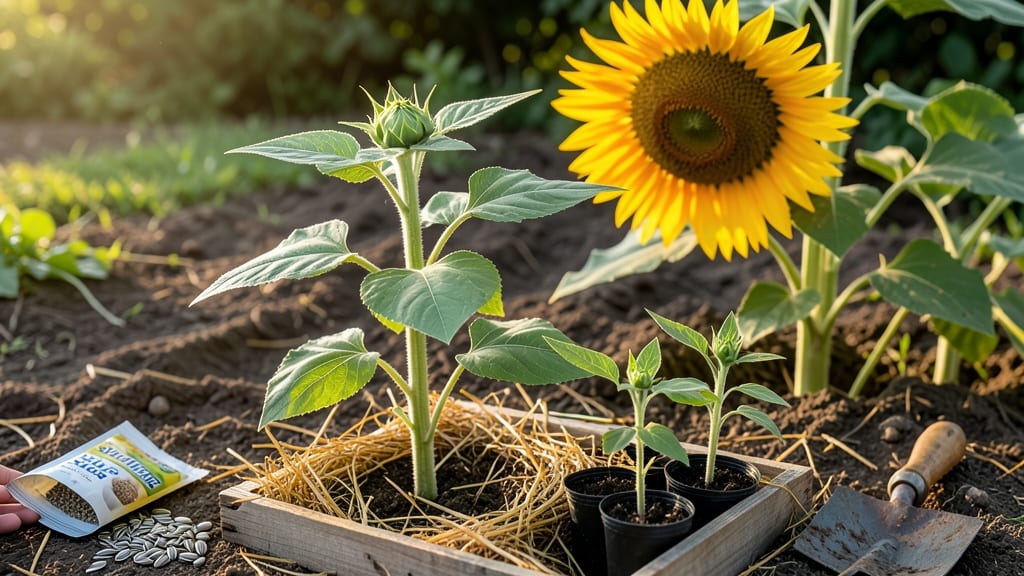
To plant sunflowers in Northern California, aim for mid-March through early July when soil warms to 55°F—this window ensures bold blooms before the first frost.
Sunflowers aren’t just cheerful garden stars—they thrive best when planted at the perfect time in Northern California’s diverse microclimates. Get the timing wrong, and you’ll miss those iconic golden blooms entirely.
Coastal areas like San Francisco may wait until April, while inland zones like Sacramento can start as early as March. The 8a-9b zones here mean frost dates vary wildly, so knowing your microclimate is the key to success.
Below, I’ll break down the best planting windows by region, whether to start seeds indoors or sow directly, and how to prep soil for drought-tolerant varieties that still pack a punch.
Northern California sunflower planting dates by microclimate zone
Northern California’s diverse microclimates create a puzzle for sunflower lovers—what works in coastal San Francisco fails in baking Sacramento. The key? Planting sunflowers after your last frost date when soil hits 55°F, but timing shifts dramatically by region.
Coastal areas can start 2-3 weeks earlier than inland zones, while mountain foothills need warmer soil before risking seeds. Let’s break down the perfect planting windows for your exact corner of the state.
Sunflowers love warm soil and long daylight, making April through June ideal for most of Northern California. However, coastal fog delays and Central Valley heat create unique challenges. For example, San Francisco’s last frost often lands in mid-March, while Sacramento’s can be as late as early April.
Mountain regions like Lake Tahoe’s foothills may wait until late May to avoid late-spring frosts. Always check your local frost-free date (USDA Zone 8a-9b) and adjust accordingly.
🌱
For coastal gardeners, like those in San Francisco or Monterey, aim to plant sunflower seeds between late March and May. The cooler, foggy conditions mean seeds may take longer to germinate—sometimes 10–14 days instead of the usual 7–10.
Use black plastic mulch to warm the soil 5–10°F faster and speed up sprouting. If you’re in Urban Oakland or Berkeley, urban heat islands can push your planting window 1–2 weeks earlier, so monitor soil temps closely.
Inland Central Valley regions, including Sacramento and Stockton, offer the longest growing season for sunflowers. Here, you can plant from mid-April through early July for continuous blooms. The hotter climate means sunflowers grow faster, but you’ll need to water deeply 2–3 times per week during dry spells.
Dwarf varieties like ‘Teddy Bear’ (3–4 ft tall) work well in containers, while ‘Moulin Rouge’ (10–12 ft) thrives in full sun with well-draining soil.
Mountain foothills, such as those near Lake Tahoe or the Sierra Nevada, have the shortest growing season. Plant only after late May to avoid late-spring frosts, which can kill young seedlings.
Choose fast-maturing varieties like ‘Autumn Beauty’ (60–70 days to bloom) or ‘ProCut’ (50–55 days). These areas also benefit from raised beds, which warm up 2–3 weeks earlier than cold ground.
Pro tip: Use a soil thermometer to confirm your soil is at least 55°F before planting. If temps dip below this, seeds won’t sprout—even if the air feels warm.
For coastal fog-prone areas, consider starting seeds indoors 2–3 weeks before your target planting date to give them a head start. In hot inland zones, provide afternoon shade for young seedlings to prevent heat
How to adjust planting for Northern California’s unpredictable weather
Northern California’s weather can be as unpredictable as a summer thunderstorm—one day it’s coastal fog chilling your soil, the next it’s Central Valley heat that could fry tender seedlings.
Sunflowers, with their love for warmth, need extra attention to thrive in these conditions. The key? Flexible timing and smart adjustments based on your local microclimate.
If you’re in the coastal fog belt, like San Francisco or Santa Cruz, wait until late April or May to plant sunflower seeds. The cooler, damp air can delay germination, so don’t rush—patience here pays off with stronger stems.
Meanwhile, gardeners in the Central Valley or Sacramento area can start as early as mid-March, but be ready to shield seedlings from sudden heat spikes with shade cloth.
⚠️ CALLOUT WARNING ⚠️
Northern California often teases us with unseasonably warm spells in February or early March—perfect for planting sunflowers, right? Wrong! A late frost can still hit, especially in higher elevations like the Sierra foothills. Wait until after your last frost date (typically mid-April for inland areas, May for coastal zones) and confirm soil temps are consistently above 55°F for 7+ days.
💡 Pro Tip: Use a soil thermometer or the "barefoot test"—if the ground feels warm to your feet, it’s ready!
For Sierra foothills or mountain regions, like those around Lake Tahoe, delay planting until late May or early June. The cooler nights and shorter growing season mean sunflowers need every warm day to mature.
If you’re eager to grow, opt for early-maturing varieties like ‘Teddy Bear’ or ‘Moulin Rouge,’ which bloom in 60-70 days instead of the standard 90-120 days.
Deciding between indoor starts and direct sowing depends on your zone. In the Central Valley, where summers are long and hot, direct-sow seeds in late April for a fall harvest.
But if you’re in the coastal fog zone, start seeds indoors in March under grow lights, then transplant after the last frost. This head start helps sunflowers outpace the slower spring growth typical of cooler areas.
Watering strategies also shift with the weather. In drought-prone areas like the Bay Area’s East Bay, mulch heavily to retain moisture, and water deeply once a week rather than daily.
For heatwave-prone zones like Fresno, water in the early morning to prevent fungal issues and use drip irrigation to keep foliage dry. Avoid overhead watering—it can lead to powdery mildew, a common sunflower nemesis in humid summers.
Finally, keep an eye on the pollinators. Sunflowers rely on bees and birds, but late-season heatwaves can stress them out. If your blooms aren’t attracting visitors, try hand-pollinating with a soft brush or planting companion flowers like marigolds or cosmos nearby.
With these adjustments, your sunflowers will stand tall and proud—no matter what Northern California throws at them this year.