
Plants
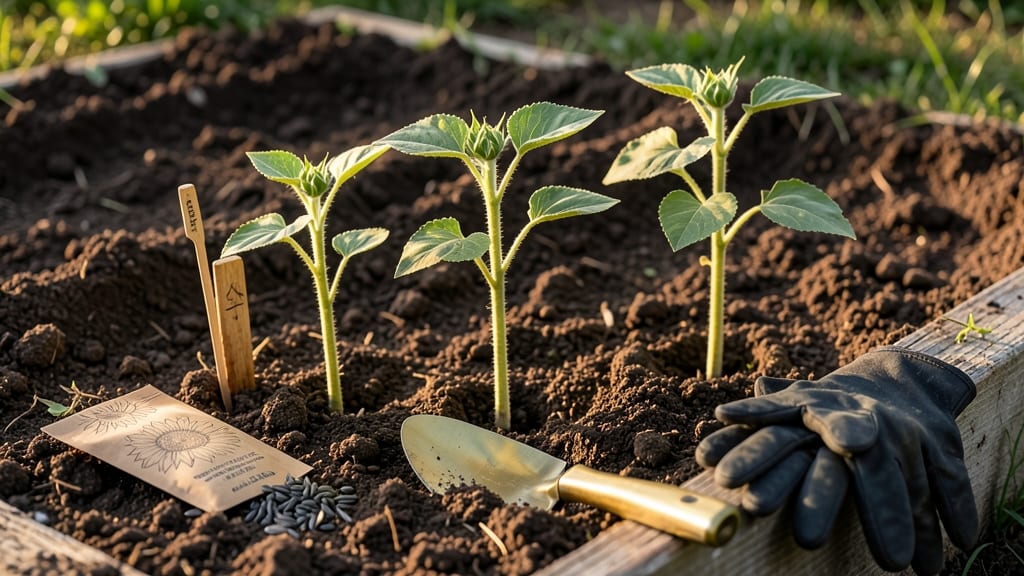
Plant sunflower seeds in Zone 8 between late February and early June for the best chance at those towering 🌻 blooms you’re dreaming of.
Timing is everything—get it wrong, and you’ll end up with sunflowers that bolt too fast or never even sprout. In Zone 8, where frost can linger until mid-March and heat arrives by early summer, the window is narrower than you might think.
Soil temperature is the real game-changer: aim for at least 55°F before planting, or those seeds will sit there like a bad joke. Too early, and frost will nip them; too late, and you’ll miss the peak bloom season.
Below, I’ll walk you through the exact dates to plant for both spring and fall harvests, how to adjust for your local microclimate, and the simple tricks to keep your sunflowers thriving from seed to towering beauty.
Optimal planting dates in Zone 8 based on soil temperature and frost risk
Sunflowers thrive in Zone 8 when planted at the right time—typically after the last frost date (around March 15) and when soil temperatures reach 55-60°F. This ensures strong germination and rapid growth before summer heat arrives.
In my experience, planting too early risks frost damage, while waiting too long can stunt growth before blooming season.
Zone 8’s frost-free season spans roughly 240 days, giving you flexibility for early, mid, or late-season plantings. The key is matching your sunflower variety to your local microclimate—coastal areas may have cooler soils longer, while inland regions warm up faster.
Always check your specific last frost date using the USDA Plant Hardiness Zone Map for precise timing.
For direct sowing, aim for April to early June when soil consistently stays above 55°F. If you’re starting indoors, begin seeds 4-6 weeks before the last frost (around February) in biodegradable pots to transplant later.
This method extends your growing season and gives you a head start on towering blooms.
Here’s a quick reference for soil temperature thresholds by planting window:
Soil temperature is more critical than air temperature for sunflower germination. Use a soil thermometer to confirm readiness—seeds need consistent warmth to sprout. In my garden, I’ve found that direct-sown seeds in April (when soil hits 58°F) yield the tallest stems, while late-July plantings produce smaller but still vibrant blooms by fall.
Adjust your planting dates based on your sunflower variety’s maturity time. Fast-growing types like 'Sunspot' (55-60 days) can be sown as late as July, while giant varieties like 'Russian Giant' (120+ days) need an early April start.
Always calculate days to maturity from your last frost date to avoid cutting the season short.
For microclimates in Zone 8, urban areas may warm up faster than rural spots. If you’re near the coast, wait until May for soil to warm, while inland gardens can plant in late March.
Observe nearby ornamental grasses or corn plants—when their leaves unfurl, your soil is likely ready for sunflowers.
Pro tip: Mulch with straw or black plastic to warm the soil faster in early spring. I’ve seen 5-7°F warmer soil temperatures under mulch, which can shave 1-2 weeks off your planting timeline. Just remove the mulch once seeds sprout to prevent overheating.
Finally, succession plant every 2 weeks from April to July for continuous blooms. This strategy ensures you’ll always have sunflowers in various stages—from fresh sprouts to mature blooms—throughout the summer. Just be mindful of crowding and thin seedlings to 12-24 inches apart for optimal growth.
With these soil temperature guidelines and frost-risk adjustments, you’ll maximize your sunflower’s potential in Zone 8. Happy planting—your garden will thank you with sunflower stalks reaching for the sky! 🌻🌡️
How to extend the sunflower growing season in Zone 8: succession planting tips
Want sunflowers blooming from summer straight through to fall in Zone 8? The secret is succession planting—a simple strategy that lets you enjoy those cheerful 🌻 faces for months instead of just a few weeks.
By staggering your plantings and using cold-hardy varieties, you can push your harvest window from late June to early November.
Here’s how I’ve extended my sunflower season by 3-4 months using just a few smart techniques: choosing the right varieties, adjusting planting dates, and protecting young plants from late frosts. Even in Zone 8’s warm climate, a little planning keeps your sunflowers thriving when others fade.
🌱 Numbered Highlights: When to Plant Sunflower Seeds in Zone 8 for Extended Blooms
- 1 First Planting (Early Season): Start seeds indoors or direct-sow mid-February to early March for cold-hardy varieties like 'Autumn Beauty' or 'Moulin Rouge.' Use row covers to protect from late frosts.
- 2 Second Planting (Peak Season): Sow seeds mid-April to early May after the last frost date. Choose medium-height varieties (3-6 ft) like 'Teddy Bear' for easier care and earlier blooms.
- 3 Third Planting (Late Season): For a fall harvest, plant late-July to early August with dwarf varieties (1-3 ft) like 'Sunspot' or 'Little Becka.' These mature faster and tolerate cooler temps better.
- 4 Protective Measures: Use mulch (3-4 inches) to insulate roots and floating row covers for early/late plantings. Remove covers when flowers appear to prevent overheating.
- 5 Soil Prep Tip: Amend soil with compost before planting to improve drainage and fertility. Sunflowers hate soggy roots but love nutrient-rich soil for those giant blooms you crave.
Don’t overlook succession planting schedules—they’re the key to nonstop sunflower action. For example, I planted my first batch in late February under row covers, followed by a second in April, and a final one in July.
By late October, I still had vibrant blooms attracting bees and adding color to my garden.
For Zone 8’s fall plantings, focus on dwarf or semi-dwarf varieties that mature in 60-70 days. These handle cooler temps better and won’t flop in high winds. Pair them with sturdy stakes if needed—tall sunflowers in autumn can get top-heavy!
One of my favorite tricks? Interplanting sunflowers with fast-growing crops like radishes or lettuce. While the sunflowers are still small, the shorter plants provide shade and suppress weeds. Once the sunflowers tower over everything, they’ll outshine (literally) any other plant in your garden.
With these strategies, you’ll enjoy sunflowers in every season—from spring’s first blooms to fall’s golden finale. Just remember: soil temp, variety choice, and protective measures are your best friends for a sunflower-filled garden all year round. 🌻