
Flowers
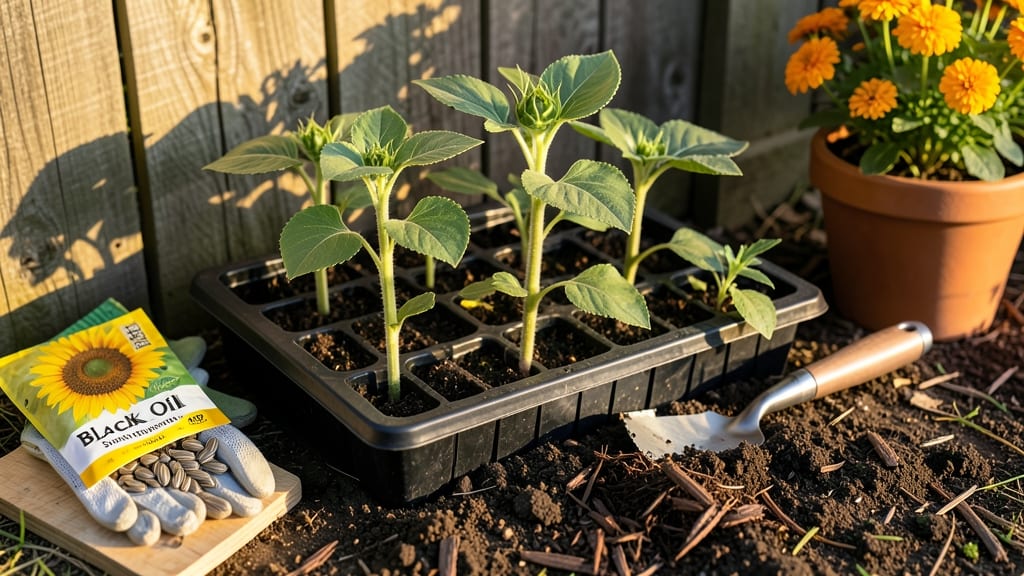
Planting sunflowers in Oklahoma after the last frost date — typically mid-April to early June — unlocks those iconic 10-foot blooms before summer’s heat peaks.
Picture this: you’ve just stepped outside on a late July morning, and there they are—🌻 sunflowers nodding in the breeze, their petals still bright against the Oklahoma sky.
Miss the window, though, and you’ll be left with stunted plants or none at all. The USDA 7a-7b zones demand precision, and timing is everything.
Why does this matter? Because sunflowers aren’t just pretty—they’re pollinator magnets, drought-tolerant workhorses, and a fast-growing way to add height and color to your garden. But Oklahoma’s variable frost dates and intense summer heat mean you can’t plant them whenever you feel like it.
In this guide, I’ll break down the exact weeks to plant for peak blooms, how to adjust for microclimates (like Tulsa’s cooler springs vs. Oklahoma City’s earlier last frosts), and which sunflower varieties will thrive in your backyard. No guesswork—just sunflowers that reach their full potential.
Best planting windows for sunflowers in Oklahoma’s USDA zones 7a-7b
Oklahoma’s USDA Zones 7a-7b offer a perfect climate for growing sunflowers, but timing is everything. The last average frost typically lands between mid-March and mid-April, while the first frost arrives around mid-November. This gives you a 180-210 frost-free growing season—ideal for sunflowers that need 60-90 days to mature.
For spring planting, aim to sow seeds 2-4 weeks after your last frost date.
This usually means late April to early May in most of Oklahoma. Fall planting is also possible if you’re growing fast-maturing varieties, with seeds going in late July to early August for blooms before winter sets in.
Soil temperature is critical—sunflowers won’t sprout until the ground reaches at least 50°F. In Oklahoma, this often aligns with mid-April in southern zones and early May in northern areas. Use a soil thermometer to confirm before planting.
Here’s a quick reference for Oklahoma’s planting windows based on sunflower maturity zones:
| Planting Window | Ideal Month | Soil Temp | Maturity Days | Notes |
|---|---|---|---|---|
| Spring Planting | Late April - Early May | 50°F+ | 60-90 days | Best for tall varieties; blooms July-Sept |
| Fall Planting | Late July - Early Aug | 60°F+ | 50-60 days | For fast varieties; blooms Sept-Oct |
| Extended Season | Early June | 60°F+ | 45-55 days | Dwarf varieties only; harvest by Oct |
In Zone 7a (northern Oklahoma), where frosts linger longer, delay planting until early May to avoid late spring frosts. Meanwhile, Zone 7b (southern Oklahoma) gardeners can start as early as late April and even squeeze in a fall crop if using dwarf varieties like ‘Teddy Bear.’
For direct sowing, plant seeds 1 inch deep and 6 inches apart in rows 2-3 feet apart. Oklahoma’s hot summers mean sunflowers will bolt quickly, so choose a fast-maturing variety if you’re planting late. Varieties like ‘Autumn Beauty’ (60-65 days) are perfect for fall plantings.
If you’re growing tall sunflowers like ‘Russian Giant,’ prioritize spring planting for full-season growth. These giants need 90 days to mature, so planting after mid-May risks stunted growth before frost. Use sturdy stakes or a trellis to support their 10-14 foot stature.
Watering is key during Oklahoma’s dry spells. Seedlings need daily watering until established, then 1-1.5 gallons per plant weekly. Morning watering prevents fungal issues, and mulching retains moisture. Avoid overwatering—sunflowers are drought-tolerant once mature.
Monitor your sunflowers for bolt risk during Oklahoma’s heatwaves. If nights stay above 70°F, plants may flower prematurely. Use shade cloth for seedlings until they’re 4 inches tall to slow bolting and encourage stronger stems.
With the right timing, your Oklahoma sunflowers will reach their full potential, providing months of blooms and attracting pollinators to your garden. Start with spring planting, experiment with fall varieties, and enjoy the towering beauty of sunflowers in full bloom! 🌻
How Oklahoma’s microclimates affect sunflower growth timing
Oklahoma’s diverse microclimates mean your sunflower’s success hinges on where you live. For example, Oklahoma City’s warmer springs allow planting as early as mid-April, while Tulsa’s cooler elevated terrain often delays planting until late April.
Rural areas with less urban heat may even stretch the growing season by 2-3 weeks compared to cities.
These variations aren’t just about frost dates—they affect soil warmth, water availability, and heat tolerance. Sunflowers planted too early in hot inland valleys (like Lawton) may bolt before reaching full height, while those in mountain foothills (like Ardmore) might struggle with shorter growing seasons.
Understanding your specific microclimate lets you adjust planting windows for peak blooms.
| Region | Last Frost Date | Ideal Planting Window | Key Adjustment | Drought Risk |
|---|---|---|---|---|
| Oklahoma City | March 15 - April 1 | Mid-April to early May | Plant early to avoid 100°F+ heat in July | High (urban heat island effect) |
| Tulsa | April 1 - April 15 | Late April to mid-May | Wait for soil >55°F; cooler nights slow germination | Moderate (east winds bring moisture) |
| Western OK (Lawton) | March 1 - March 15 | Early April to late April | Use mulch to retain moisture; bolt risk if planted too early | Very High (low rainfall, high evaporation) |
| Southeast OK (Ardmore) | March 20 - April 5 | Late March to early May | Extend season with fall planting (Aug-Sept) for winter blooms | Low (higher humidity, more rain) |
| Mountain Foothills (Ozark) | April 15 - May 1 | Late April to June 1 | Choose shorter varieties (<60 days) for limited growing season | Moderate (cooler temps reduce evaporation) |
In Oklahoma City, the urban heat island creates a 5-7°F warmer microclimate than surrounding areas. This means sunflowers planted in April may experience heat stress by June if not given extra water. I’ve found that drip irrigation keeps roots cool during 100°F+ days, preventing premature wilting.
For Tulsa gardeners, the higher elevation delays soil warming, so I recommend waiting until mid-May for tall varieties like ‘Russian Giant’.
In rural western Oklahoma, where drought is common, I’ve had success with ‘ProCut’ sunflowers—they mature in just 60 days and handle low moisture better than standard types.
If you’re in a mountain foothill area, focus on early-maturing varieties (like ‘Autumn Beauty’) and consider fall planting for winter interest. The shorter growing season means you’ll miss giant sunflowers, but dwarf types still thrive with 6-8 hours of sun.
Pro tip: Use a soil thermometer to confirm 50°F+ soil temps before planting—this prevents slow germination in cooler microclimates. Adjust your watering schedule based on local rainfall patterns: western OK needs deep weekly watering, while eastern OK may only need bi-weekly checks.