
Companion Plants
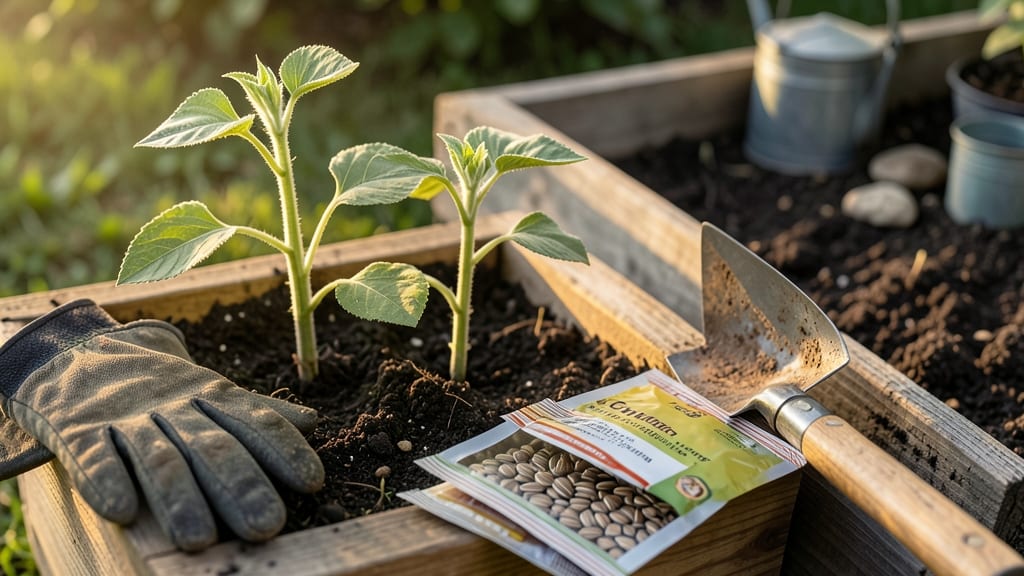
Planting sunflowers in Pennsylvania after the last frost—typically mid-April to early June—sets the stage for those towering 🌻 blooms you’ve been dreaming of.
Here’s the catch: Pennsylvania’s climate zones can turn a great idea into a flop if you miss the window. Too early, and frost will nip those tender sprouts before they even stand a chance.
Too late, and summer’s heat might stunt their growth, leaving you with underwhelming stems instead of the sun-filled giants you’re after.
This guide breaks down the best planting months for your specific region, whether you’re in the warmer Southeast or the cooler Northwest. We’ll also cover soil prep, frost dates, and how to adjust for Pennsylvania’s unpredictable weather—so you can grow sunflowers that reach their full, glorious height.
Ready to turn your garden into a sunflower haven? You’ll learn exactly when to plant, how to protect young seedlings, and which varieties thrive best in PA’s diverse microclimates for the best results.
Pennsylvania sunflower planting timeline by microclimate Zone
Pennsylvania’s three distinct climate zones create unique challenges for sunflower growers. The Southeast enjoys warmer springs, while the Northwest battles later frosts. Even the Central region sees 10-14 day planting windows that shift yearly. Mastering these zones means taller blooms and longer vase life—here’s how to time it perfectly.
Sunflowers thrive when soil temperatures hit 55°F (13°C) consistently. In Zone 5b (Northwest PA), this typically occurs late May, while Zone 7a (Southeast) warms by mid-April.
Central PA falls 2-3 weeks between these extremes. Direct sowing after your last frost date maximizes growth—no need for indoor starts unless you’re pushing early varieties.
Your last frost date is the critical marker. In Southeast PA, average last frosts hit April 15, giving you 4 weeks to prepare beds. Northwest PA waits until May 15, leaving just 3 weeks for soil prep. Central PA sits in between with April 30 averages.
Always have row covers ready for late surprises.
Here’s your zone-specific planting schedule with soil temp thresholds and ideal transplant windows for maximum bloom height:
For Southeast PA, aim to plant dwarf varieties by April 20 to avoid June heat stress. The Russian Giant variety thrives here, reaching 12+ feet when planted by May 1.
In Central PA, Mammoth sunflowers planted May 15-25 hit 10 feet reliably. Northwest growers should focus on early maturing types like Autumn Beauty planted by May 20 to ensure blooms before first frost.
Soil preparation makes all the difference. Test your soil pH—sunflowers prefer 6.0-7.0. In cool zones, mix in compost to warm soil faster. Black plastic mulch raises soil temps by 5-10°F, creating a 2-week earlier planting window. Always amend clay soils with sand for better drainage.
Transplanting seedlings works best when they’ve developed 2-3 true leaves. For Central PA, this means starting seeds indoors by April 15 under grow lights. Harden off seedlings for 7-10 days before transplanting.
How to adjust sunflower planting for Pennsylvania’s unpredictable weather patterns
Pennsylvania’s spring weather can be as unpredictable as a whimsical sunflower swaying in the breeze—one day warm enough to plant, the next hit with a surprise frost. Sunflowers need consistency, so I’ve learned to adapt my planting strategy to handle these late frosts and early heatwaves.
The key is flexibility, whether you’re in southeastern PA or the northwest mountains.
First, I always check the 10-day forecast and local frost date averages from the Penn State Extension. In my experience, waiting until after May 1 reduces frost risk, but I’ve also seen June 1 become my backup date in colder years.
For soil warming, I use black plastic mulch or even old cardboard covered with straw—this raises soil temps by 5-10°F in just days.
For early heatwaves, I’ve switched to shade cloth during the hottest afternoons, especially for young seedlings. Sunflowers love heat, but sudden spikes above 90°F can stress them.
I also plant successive batches every 2 weeks from May through June to stagger maturity—this way, I always have blooms even if one planting gets nipped by unseasonable cold.
Rainfall is another wild card in PA. In wet springs, I prioritize well-draining soil by amending with compost and avoiding heavy clay areas. For drought-prone summers, I mulch heavily with straw to retain moisture.
My backup planting date is always June 15, giving me a second chance if early conditions were poor.
One trick I swear by is using row covers until plants reach 12 inches tall. They protect against windburn, pests, and even late frosts while letting sunlight through. I also rotate my planting locations yearly to prevent soil-borne diseases that thrive in PA’s humid summers.
Finally, I always keep a few dwarf varieties (like ‘Teddy Bear’) on hand for container gardening—they’re more forgiving if I miss the ideal window. With these adjustments, my sunflowers thrive even when Mother Nature throws curveballs.
The secret? Stay flexible and prepare for the worst so you can enjoy the best. 🌻