
Planting
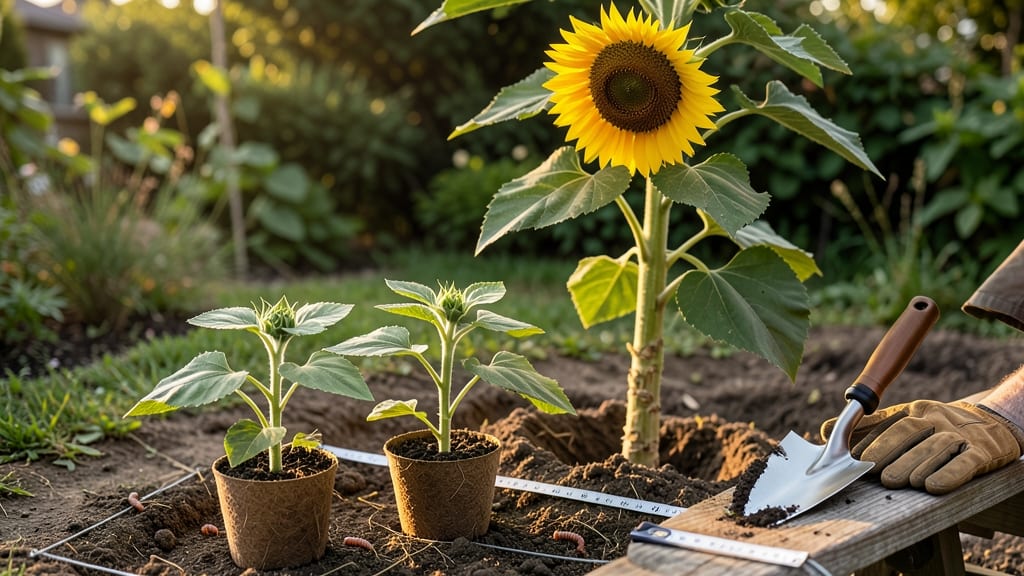
How far apart to plant mammoth sunflowers will determine whether you grow stunted stems or the towering, 12-foot giants you’ve always dreamed of—so spacing them correctly is the secret to their sky-high success.
Mammoth sunflowers can reach heights of 12 feet or more, but their towering beauty comes with a critical challenge: proper spacing. Plant too close, and you’ll end up with weak stems, disease risks, and frustrated dreams of sunflower skyscrapers.
If you’ve ever watched your mammoth sunflowers lean awkwardly or struggle to stand tall, it’s likely a spacing issue. The right distance ensures strong stems, better airflow, and fewer pests—so your blooms can reach their full potential without competing for nutrients.
In this guide, I’ll walk you through the science-backed spacing rules for mammoth sunflowers, including how to adjust for different soil types, sunlight, and even small gardens. You’ll learn how to avoid common mistakes and maximize your sunflower’s height and health.

Optimal spacing for mammoth sunflowers: science-backed guidelines by variety
Growing mammoth sunflowers is like raising skyscrapers in your garden—they need room to reach their full 12-16 foot potential. But spacing isn't just about height; it's about preventing stem weakness, disease spread, and nutrient competition.
Each variety has unique needs, so let's explore the science behind spacing these giants right.
Sunflowers are heliotropic, meaning they follow the sun's movement. Crowded plants struggle to rotate properly, leading to lopsided growth. The root system also needs space to establish—shallow roots can't support heavy flower heads in tight quarters.
Before planting, test your soil's drainage and pH. Mammoth varieties thrive in well-draining soil with a pH of 6.0-7.5. Amend heavy clay with compost to prevent root rot and ensure proper airflow at the base.
| Variety | Plant Spacing (inches) | Row Spacing (feet) | Mature Height (ft) | Notes |
|---|---|---|---|---|
| Mammoth Russian | 18-24 | 3-4 | 14-16 | Needs extra support for heavy heads |
| American Giant | 18-24 | 3-4 | 12-14 | Tolerates partial shade better than others |
| Autumn Beauty | 12-18 | 2-3 | 10-12 | Smaller but longer bloom time |
| Russian Giant | 24-30 | 4-5 | 16+ | Requires staking for windy areas |
| Giant Russian | 18-24 | 3-4 | 12-15 | Best for cut flowers |
For 'Mammoth Russian' varieties, aim for 18-24 inches between plants and 3-4 feet between rows. These giants can reach 16 feet, so their root systems need ample space to anchor. If growing in windy climates, increase spacing to 30 inches for better stability.
Smaller varieties like 'Autumn Beauty' can handle 12-18 inches of spacing, making them ideal for smaller gardens or container growing. Their longer bloom time means you'll enjoy vibrant flowers from mid-summer to fall, even if they don't reach the same heights.
When planting in rows, orient them north-south to maximize sunlight exposure. This reduces shading competition and ensures all plants get 6+ hours of direct sun daily. In small gardens, consider staggered planting to create a natural progression of blooms.
After planting, mulch around the base with 2-3 inches of organic mulch to retain moisture and suppress weeds. Avoid piling mulch against the stem, as this can cause rot. Water deeply at the base rather than overhead to keep foliage dry and reduce disease risks.
Monitor your sunflowers for signs of overcrowding, such as yellowing leaves or stunted growth. If you notice these, thin out seedlings to the recommended spacing immediately. Remember, proper spacing isn't just about aesthetics—it's about healthy, thriving plants that reach their full potential.
For container growing, choose large pots (at least 18 inches in diameter) and use a well-draining potting mix. Place containers in full sun and rotate them occasionally to ensure even growth. With the right spacing, even container-grown mammoth sunflowers can reach impressive heights!
Common spacing mistakes that stunt growth (and how to fix them)
Even experienced gardeners sometimes make spacing mistakes with mammoth sunflowers that lead to stunted growth or disease. The most common error? ignoring mature plant size—those 12-foot giants need room to thrive. Without proper spacing, stems compete for nutrients, leaving you with weak, floppy plants instead of towering sunflowers.
Another frequent mistake is planting too densely in rows, which creates poor airflow and traps moisture. This damp environment invites fungal diseases like powdery mildew, which can ruin your entire crop. Even well-draining soil can’t prevent problems when plants are crowded together.
Here’s the critical fix: space mammoth sunflowers 24-36 inches apart in all directions. For rows, maintain 3 feet between plants and 4 feet between rows to allow sunlight to reach the base. This simple adjustment prevents competition and encourages strong, straight stems.
⚠️ Spacing Warning for Mammoth Sunflowers
Planting mammoth sunflowers closer than 2 feet risks:
- Weak, brittle stems that snap under weight
- Increased disease spread from trapped moisture
- Smaller blooms due to nutrient competition
🌱 Pro Tip: Use a stake or trellis for support if your garden has limited space.
Poor sunlight access is another hidden spacing mistake. When sunflowers are planted too closely, lower leaves shade the soil, preventing sunlight from reaching the base where roots need energy.
This leads to yellowing leaves and slower growth. Always plant in areas with 6+ hours of direct sun and avoid overcrowding.
For small gardens, try companion planting to maximize space. Pair mammoth sunflowers with shallow-rooted plants like basil or marigolds, which won’t compete for nutrients. This strategy also deters pests naturally while keeping your sunflowers healthy and upright.
Finally, avoid over-tilling the soil before planting. Mammoth sunflowers prefer loose, well-aerated soil, but excessive tilling can compact it again. Instead, add 2-3 inches of compost to the topsoil and plant directly into the enriched layer for optimal root development.