
Flowers
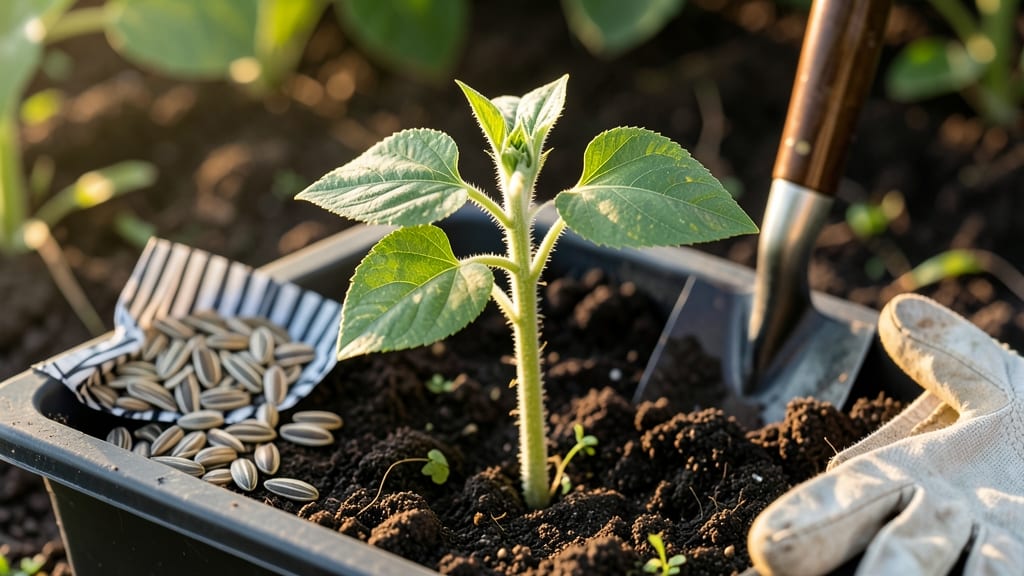
Planting sunflowers in Sacramento at the right time means the difference between towering, vibrant blooms and stunted, sad stalks.
If you’ve ever watched your 🌻 sunflower seedlings wilt under a late frost or struggle in summer’s heat, you know timing is everything. Sacramento’s USDA Zone 9a climate gives you two ideal windows—spring and fall—but getting it wrong can leave you with disappointment.
The key? Planting between March and May for the best results.
Why does timing matter so much? Sunflowers need 80-120 days to mature, and Sacramento’s heat can stress young plants if they’re planted too late. A spring start ensures they bloom before the summer drought hits, while a fall planting (August-September) gives them a second chance for late-season color.
In this guide, I’ll walk you through the exact months to plant, how to prep your soil for Sacramento’s dry conditions, and the best varieties to choose for your garden’s success.
Best planting months for sunflowers in Sacramento’s climate zones
Sacramento’s USDA Zone 9b climate offers a perfect window for growing sunflowers, but timing matters to avoid late frosts or summer heat stress. The ideal planting window spans March through May, with adjustments for container gardening.
Understanding Sacramento’s microclimates—like cooler river areas versus hotter urban zones—helps fine-tune your schedule for maximum blooms.
Sunflowers thrive in Sacramento’s long, warm summers, but they need a head start. Planting too early (before March 15) risks frost damage, while waiting too late (after May 30) exposes seedlings to intense heat and drought stress.
Container-grown sunflowers can stretch this window slightly, but in-ground plants demand precision.
Here’s a quick reference for Sacramento’s planting timeline, tailored to your garden setup:
For in-ground planting, aim to sow seeds 2–3 weeks before your last frost date (typically March 15 in Sacramento). This gives seedlings time to establish roots before temperatures rise. Use a soil thermometer to confirm soil temps are above 55°F—sunflowers won’t germinate in cooler soil.
Container gardening offers flexibility, letting you plant 2–4 weeks later than in-ground gardens. Containers warm up faster and can be moved to shadier spots during Sacramento’s 100°F+ heat waves. Choose 5-gallon pots for dwarf varieties or 15-gallon pots for giants like ‘Russian Giant.’
Sacramento’s microclimates play a huge role. Areas near the American River stay cooler, delaying planting by 1–2 weeks, while urban heat islands (like downtown) may need shade cloth for early seedlings. Monitor local weather forecasts for heat advisories—sunflowers wilt quickly in 95°F+ temps.
Pro tip: Direct-sow seeds instead of starting indoors. Sunflowers hate transplant shock, and their taproots can get damaged if moved. Drop seeds 1 inch deep and 6 inches apart, then thin to 12–24 inches once they’re 4 inches tall.
This spacing prevents crowding and ensures bold, healthy blooms.
If you miss the spring window, try a fall planting in August–September for late-season blooms. Choose fast-maturing varieties like ‘Teddy Bear’ (50–55 days to bloom) to harvest seeds before the first frost (usually mid-December). Mulch heavily to retain moisture and protect roots from temperature swings.
Remember, sunflowers in Sacramento reward patience. A well-timed spring planting gives you 6–10 foot stalks by summer, while fall plantings yield compact, early-blooming varieties perfect for holiday arrangements. Start your seeds now, and you’ll be enjoying golden blooms by July!
How to adjust sunflower planting for Sacramento’s heat and water challenges
Sacramento’s summer heat and drought conditions can turn sunflowers into wilted shadows if you’re not prepared. The key to success? Deep soil prep, smart watering, and protective mulching to shield roots from extreme temperatures.
With these adjustments, your sunflowers will reach their full 6-12 foot potential while surviving Sacramento’s 100°F+ days with ease.
Start by amending your soil with 2-3 inches of compost before planting. Sacramento’s native clay soil drains poorly, so mix in sand or perlite to improve aeration. Sunflowers thrive in well-draining soil with a pH between 6.0 and 7.0—test your soil first if possible.
For containers, use a lightweight potting mix with added perlite to prevent root rot during our dry spells.
⚠️ WARNING: Avoid planting sunflowers in late May or June without special care! The combination of intense heat and limited rainfall creates stress that stunts growth. If you must plant late, choose dwarf varieties like ‘Teddy Bear’ (3-4 feet tall) and provide extra shade cloth during peak afternoon sun.
Even then, expect slower growth and smaller blooms compared to spring plantings.
Late-Summer Planting Risks
Planting sunflowers after June 15 in Sacramento increases risks of heat stress, bolting failure, and pest attraction (like aphids). If you miss spring, opt for shorter varieties and drip irrigation to protect roots.
Watering is where most Sacramento gardeners go wrong. Deep, infrequent watering beats shallow daily sprinkles—aim for 1-2 gallons per plant weekly, delivered at the base of the stem.
Use a soaker hose or drip system to keep leaves dry and prevent powdery mildew, a common fungal issue in our humid summers. For established plants, water every 10-14 days once they’re past the seedling stage, but increase frequency to every 5-7 days during 90°F+ heatwaves.
Mulch is your secret weapon against Sacramento’s swinging temperatures. Apply a 3-inch layer of straw or wood chips around plants, keeping it 2 inches away from stems to prevent rot. Mulch does three critical things: retains moisture, regulates soil temperature, and suppresses weeds that compete for water.
Replenish mulch every 2-3 months to maintain its effectiveness. For extra protection, try black plastic mulch in containers—it raises soil temps slightly, helping sunflowers germinate faster in cool springs.
Finally, don’t forget to monitor for stress signs. Drooping leaves? Water deeply immediately. Yellowing lower leaves? Reduce nitrogen fertilizer and increase phosphorus. And if your sunflowers start leaning dramatically, they’re likely phototropism—a natural response to Sacramento’s strong afternoon sun.
Stake tall varieties early (like ‘Russian Giant’) with soft ties to keep them upright and maximize sunlight exposure for those prized blooms.
With these adjustments, your sunflowers will bloom bigger, stand taller, and survive Sacramento’s extremes—proving that even in our dry, hot climate, these cheerful giants can thrive. 🌻