
Flowers
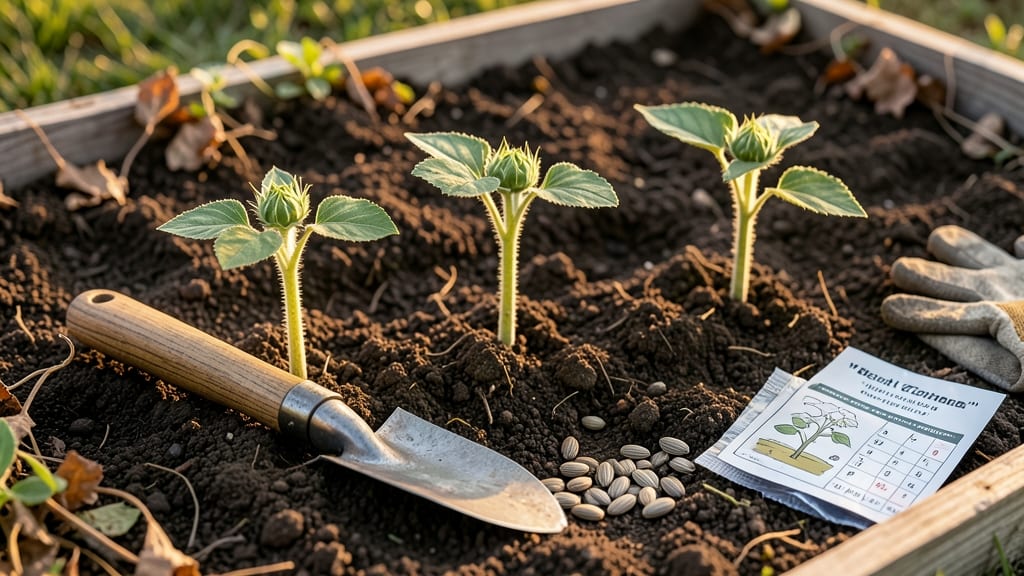
Planting sunflowers in South Carolina between mid-April and early July ensures they’ll soak up the state’s long, sunny days and reward you with towering blooms by fall.
Sunflowers don’t just brighten your garden—they thrive in South Carolina’s warm climate, but planting them at the wrong time can mean wilted dreams instead of towering summer blooms.
Timing is everything for these sun-loving giants, and the wrong window could leave you with short, sad stems instead of the bold, cheerful flowers you crave.
For gardeners in USDA zones 7b-8a, the key is waiting until after the last frost—usually around March 15—when soil temperatures hit at least 50°F. This gives your 🌻 sunflowers the head start they need to reach their full height before summer’s heat sets in.
In this guide, I’ll walk you through the exact months to plant, how to adjust for South Carolina’s microclimates, and the simple steps to grow sunflowers that’ll make your neighbors jealous.
Best planting months for sunflowers in South Carolina’s climate zones
South Carolina’s USDA hardiness zones 7a-8b create perfect conditions for sunflowers, but the exact planting window varies dramatically across regions.
Coastal areas like Charleston (zone 8a) enjoy longer growing seasons, while the Upstate (zone 7b) faces earlier frost risks. Timing matters—plant too early, and you’ll battle fungal diseases from spring rains; too late, and your sunflowers may bolt before reaching their full 6-14 foot glory.
Let’s break down the ideal months for each zone and method.
For direct sowing (the preferred method for sunflowers), aim for mid-April to early July across most of SC. This window ensures seeds germinate in warm soil (50°F+) and gives plants 90-120 frost-free days to mature.
In zone 8a (coastal), you can push sowing to late April through June, while zone 7b (Upstate) gardeners should focus on April-May to avoid fall frosts. Transplants, if used, need to go in 2-3 weeks earlier to give roots time to establish.
Here’s your region-specific planting calendar with exact dates and key considerations:
| Zone/Region | Direct Sowing Window | Transplant Window | Key Risks | Best Varieties |
|---|---|---|---|---|
| Zone 7a (Upstate: Greenville, Spartanburg) | April 15–May 15 | April 1–April 15 | Late frosts, short season | 'Autumn Beauty', 'Moulin Rouge' |
| Zone 7b (Piedmont: Columbia, Rock Hill) | April 1–June 1 | March 20–April 15 | Spring rains, heat stress | 'Russian Giant', 'Teddy Bear' |
| Zone 8a (Coastal: Charleston, Hilton Head) | April 15–June 15 | March 30–April 30 | Humidity, hurricane delays | 'ProCut', 'Evening Sun' |
| All Zones (Late Planting) | July 1–July 15 | N/A | Bolting risk, smaller blooms | 'Sunspot', 'Little Becka' |
In zone 7a, the Upstate’s cooler climate demands earlier planting—think mid-April for direct sowing—to avoid the average November 15 frost. Choose dwarf varieties like 'Teddy Bear' if your season feels too short.
The Piedmont (zone 7b) offers flexibility, but avoid planting after May 15 unless you’re growing short-season varieties, as summer heat can cause bolting (premature flowering). Coastal gardeners in zone 8a can extend sowing to mid-June, but monitor hurricane forecasts—storms can delay germination.
For transplants, start seeds indoors 4-6 weeks before your region’s last frost date. Use biodegradable pots to avoid root disturbance, and harden off seedlings for 7-10 days before moving them outdoors. Transplant in the morning on a cloudy day to reduce shock.
Pro tip: Mix compost into planting holes to improve drainage—sunflowers hate soggy roots, especially in SC’s humid summers. Water deeply after transplanting to help roots establish in 3-5 days.
Heat tolerance varies by variety, but most sunflowers thrive in SC’s summer temps (85-95°F). However, prolonged heatwaves above 100°F can stress plants, leading to blossom drop.
If your July forecast predicts extreme heat, mulch heavily with straw or wood chips to retain moisture and provide shade for young plants. Dwarf varieties like 'Sunspot' handle heat better than giant types, which may need afternoon shade cloth in the Upstate during peak summer.
Don’t overlook soil temperature—sunflower seeds need soil at least 50°F to germinate. Use a soil thermometer to check; if it’s cooler, cover seeds with black plastic for 1-2 weeks to warm the soil.
In coastal areas, soil warms faster due to warmer air and sandy soils, while Upstate clay soils may need earlier covering. Test your soil’s pH (6.0-7.0 ideal) and amend with lime or sulfur if needed—sunflowers prefer slightly acidic to neutral soil.
For extended blooms, try a successive planting strategy: Sow half your seeds in April and the other half in early June. This ensures
How to adjust sunflower planting for South Carolina’s microclimates
South Carolina’s humid subtropical climate and microclimatic variations create unique challenges for sunflower growers. Coastal areas like Charleston experience warmer winters and higher humidity, while inland regions like Greenville face hotter summers and drier conditions.
These differences can drastically affect your sunflowers’ germination rates and bloom timing, so let’s tailor your approach to your specific corner of the state.
One of the biggest hurdles is soil drainage in low-lying areas, where excess moisture can rot seeds before they sprout. Meanwhile, urban heat islands in cities like Columbia can push soil temperatures too high for optimal germination.
The key is adapting your planting schedule, seed selection, and soil prep to match your local conditions.
🌱
⚠️ Critical Warning for SC Gardeners
Don’t plant sunflowers before soil warms to 50°F—SC’s spring humidity causes seeds to rot in cold, wet soil. Test soil temperature with a soil thermometer or wait until mid-April for most regions. Coastal areas can start 2 weeks earlier, while Upstate may need to wait until late April.
For low-lying areas with poor drainage, choose dwarf varieties like ‘Teddy Bear’ (3-4 ft tall) that tolerate moisture better than towering types. Amend your soil with compost and perlite to improve drainage, and consider raised beds if your yard floods easily.
In urban heat zones, opt for shorter growing seasons by planting late-summer varieties like ‘Autumn Beauty’ (6-8 ft) in late June to avoid heat stress.
If you’re in the Upstate with shorter summers, focus on early-maturing varieties like ‘Moulin Rouge’ (5-6 ft), which blooms in 60-70 days. Coastal gardeners can extend their season with late plantings of ‘ProCut’ (6-8 ft), a variety bred for longer daylight and humid conditions.
Just be sure to harden off seedlings for 7-10 days before transplanting to avoid shock from SC’s intense sun.
To maximize late-season blooms, try successive planting: sow a small batch every 2 weeks from April through June. This staggered approach ensures continuous blooms from July through October, even if your first planting gets heat-stressed.
Just remember—sunflowers need full sun, so avoid planting near tall trees or buildings that cast shadows.
🌻