
Flowers
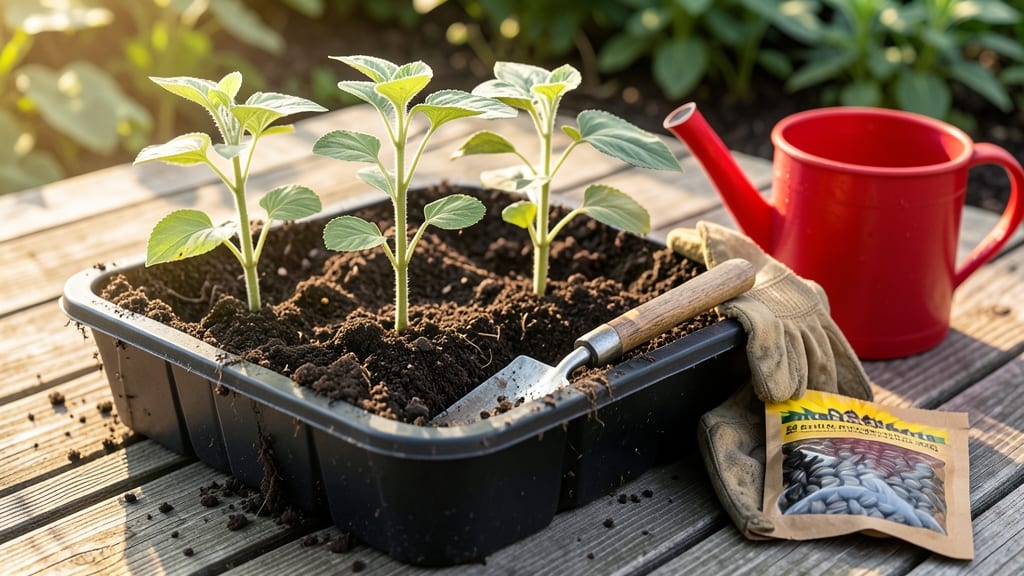
Planting sunflowers in Texas for doves means timing it right to ensure they bloom when these gentle birds are most active—typically late spring to early summer.
Sunflowers aren’t just stunning additions to your Texas garden—they’re wildlife magnets, especially for doves. Planting them at the right time can transform your yard into a dove paradise, but timing is everything in Texas’s unpredictable climate.
North Texas gardeners should aim for mid-March to May, while Central and East Texas can start as early as February. South Texas has the longest window, from January to March, giving you more flexibility to align blooms with dove migration patterns.
Below, I’ll break down the best planting windows by region, how to choose sunflower varieties that attract doves, and pro tips to keep your garden thriving all season long.
Best planting months for sunflowers in Texas to attract doves
Texas gardeners know timing is everything when planting sunflowers—especially if you want to attract doves. These birds thrive on sunflower seeds, but their feeding patterns align with specific bloom times across Texas’s diverse regions.
Planting too early or late can mean missed opportunities for wildlife interactions, as doves are most active during spring and early fall migrations. The key is matching your planting schedule to local frost dates and dove activity peaks.
Doves in Texas prefer fresh sunflower seeds, which become available 60-90 days after planting. In North Texas, this means aiming for late April to June blooms, while South Texas gardeners should target March to May for optimal dove visits.
The challenge? Texas heat and drought can stress sunflowers if planted at the wrong time, so choosing the right window balances plant resilience with wildlife timing.
Comparison Table: Best Planting Months for Sunflowers by Texas Region
For North Texas, aim to plant sunflowers between March 1 and April 15 to ensure blooms align with dove migration peaks in May and June. The region’s hot summers mean avoiding early spring planting, which can lead to bolting or poor seed production.
Instead, choose heat-tolerant varieties like 'ProCut' or 'Mammoth' that thrive in Texas’s 90°F+ temperatures.
In Central Texas, the extended growing season allows for earlier plantings, with February 15 to April 1 being ideal. This region’s moderate humidity and long daylight hours create perfect conditions for sunflowers to mature quickly.
Doves will find plenty of seeds from April through June, just as they begin nesting. Use drip irrigation to conserve water during Texas’s dry spells.
South Texas gardeners have the advantage of the earliest planting window, from January 1 to March 15. The warm climate ensures sunflowers bloom as early as March, providing seeds for doves during their spring migration. However, watch for aphid infestations in the humid coastal areas. Varieties like 'Autumn Beauty' or 'Teddy Bear' (dwarf) are excellent choices for this region’s long, hot summers.
West Texas presents unique challenges due to its arid conditions. Plant sunflowers between March 15 and April 30 to avoid early-season moisture stress. Doves will visit during June through August, when sunflowers produce seeds in the cooler evening temperatures.
Always mulch heavily and choose drought-resistant varieties like 'Russian Giant' to ensure survival.
To maximize dove visits, plant a succession of sunflowers every 2-3 weeks within your region’s planting window. This ensures a continuous seed supply from spring through fall.
Avoid using pesticides near blooming sunflowers, as doves are sensitive to chemical residues. Instead, opt for neem oil or companion planting with marigolds to deter pests naturally.
Remember, doves prefer unharvested sunflower heads. Leave some plants to mature completely, allowing seeds to dry on the stems. This creates a natural buffet that doves will return to repeatedly.
With the right timing and care, your Texas garden can become a dove hotspot, filled with cheerful birds and towering sunflowers.
How sunflower varieties affect dove attraction timing
Choosing the right sunflower varieties is key to attracting doves at the perfect time in Texas. Different types bloom at different times, aligning with dove migration patterns and feeding habits.
Early bloomers like 'Teddy Bear' create seed-rich havens when doves first arrive, while late-season varieties like 'Autumn Beauty' extend the feast into fall. The timing ensures your garden stays a dove hotspot from spring through autumn.
Doves in Texas prefer mature sunflower seed heads for nesting material and food. Early varieties like 'Mammoth' produce seeds by early summer, just as mourning doves begin their nesting season.
Mid-season types like 'Autumn Beauty' provide late-summer sustenance, while dwarf varieties like 'Teddy Bear' offer accessible seeds for ground-feeding doves. This variety mix creates a continuous food source.
| Variety | Bloom Time | Best Planting Window | Dove Attraction Peak |
|---|---|---|---|
| 'Teddy Bear' | Early June | March-April | Spring nesting |
| 'Mammoth' | July-August | April-May | Summer feeding |
| 'Autumn Beauty' | September-October | May-June | Fall migration |
For North Texas gardeners, planting 'Teddy Bear' in early March ensures seeds are ready by late May, coinciding with mourning dove nesting season.
In Central Texas, wait until mid-March to plant 'Mammoth' for July blooms that attract doves during their summer foraging period. South Texas gardeners can plant 'Autumn Beauty' as early as February for September-October blooms that coincide with dove migration south.
Dwarf varieties like 'Teddy Bear' are ideal for container gardens or small spaces, producing seeds at bird-friendly heights. Their compact size (1-3 feet) makes seeds easily accessible to ground-feeding doves. For maximum dove activity, interplant early, mid, and late-season varieties to create a staggered seed harvest.
This ensures doves have food from spring through fall, increasing your chances of regular visits.
Pro tip: Leave some seed heads uncut after blooming to provide natural nesting material for doves. The dried stalks offer perfect spots for doves to build their nests while the seeds remain available.
This simple practice can double your dove sightings during breeding season. Remember, doves prefer unpesticided gardens with abundant natural seed sources.
By selecting the right sunflower varieties and planting at optimal times, you'll create a dove magnet that thrives throughout Texas's warm seasons. The key is matching bloom times with dove activity patterns - early for nesting, summer for feeding, and fall for migration.
With this strategy, your garden could become a year-round dove hotspot. 🌻