
Flowers
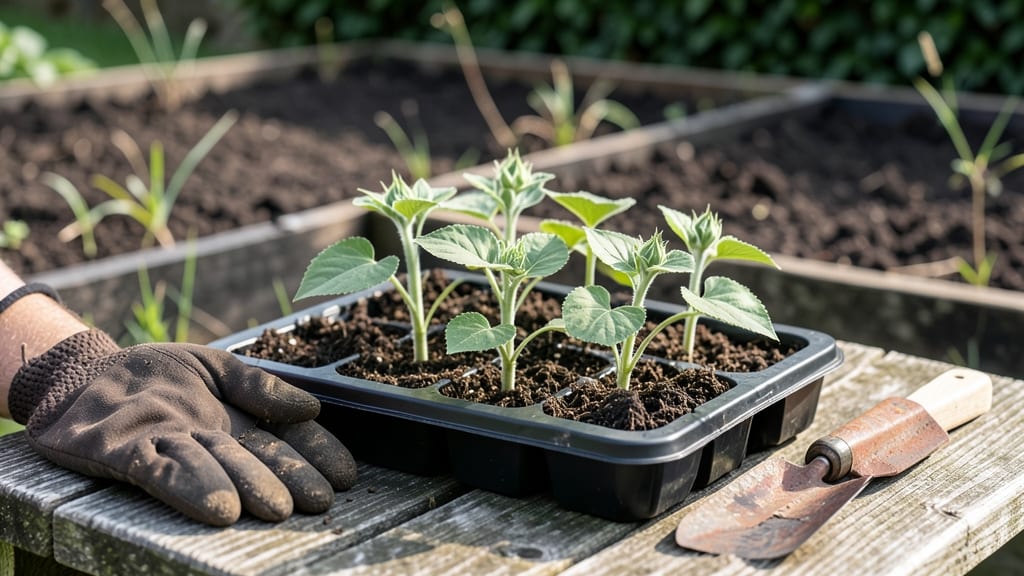
Plant sunflowers in Washington State between mid-April and mid-June to catch the sweet spot of warmth and sunlight before summer’s peak.
Get the timing wrong, and you’ll either lose seedlings to late frosts or watch your towering 🌻 miss their full growth potential. Western WA’s milder climate gives you a head start, while Eastern WA’s longer winters demand patience—and a sharp eye on frost dates.
Below, I break down the exact zone-specific windows for direct sowing vs. starting indoors, plus how to prep soil and pick varieties that thrive in WA’s diverse microclimates.
You’ll leave here with a foolproof schedule, whether you’re in Seattle’s 7b zone or Spokane’s cooler 6b—so your sunflowers reach their full, sun-drenched glory.
Washington State planting Zones: when to start sunflower seeds indoors vs. outdoors
Washington State spans USDA zones 7-9, creating distinct planting windows for sunflowers.
In Western WA (Zones 7b-8a), like Seattle or Olympia, you can start seeds indoors 4-6 weeks before last frost (mid-March), while Eastern WA (Zones 7a-8b), such as Spokane or Yakima, waits until late April to early May due to later frost dates.
Understanding these differences ensures your sunflowers thrive without frost damage.
Sunflowers are warm-season plants that need soil temperatures above 50°F (10°C) to germinate. In Western WA, direct sowing begins mid-April to early May, while Eastern WA waits until mid-May to early June.
Starting seeds indoors earlier can give you a head start, but outdoor planting is often simpler for sunflowers, which germinate quickly and tolerate transplanting well.
Here’s a zone-specific comparison for starting sunflower seeds indoors vs. outdoors in Washington:
For Western WA, like Seattle or Bellingham, start sunflower seeds indoors in mid-March if you want a jump on the season. Transplant seedlings outdoors after May 15 when nighttime temperatures stay above 45°F (7°C).
In Eastern WA, such as Wenatchee or Pullman, wait until late April to start seeds indoors or direct sow in mid-May to avoid late frosts.
If you’re planting in higher elevations (Zones 6b), like the Cascades or Mount Rainier area, delay until late May for outdoor planting. These regions have shorter growing seasons and cooler soil, so dwarf varieties like ‘Teddy Bear’ or ‘Moulin Rouge’ are ideal.
Always check your local last frost date—it can vary by 1-2 weeks even within the same zone.
Sunflowers are fast growers, with some varieties reaching 6 feet in just 60 days. For early blooms, plant dwarf or semi-dwarf varieties like ‘Sunspot’ or ‘Autumn Beauty’ in late April to early May.
For tall varieties, like ‘Russian Giant’ or ‘Mammoth’, wait until mid-May to ensure they mature before first frost in fall.
Use a soil thermometer to confirm 50°F (10°C) soil temperatures before planting. In Western WA, this usually aligns with late April to early May, while Eastern WA may need to wait until mid-May.
If soil is too cold, seeds won’t germinate, and you’ll waste time and resources. Direct sowing is often easier than transplanting for sunflowers, as they have deep taproots that can get damaged during transplanting.
For continuous blooms, stagger plantings every 2-3 weeks from April to June. This ensures fresh sunflowers all summer long.
In Western WA, you can even squeeze in a fall planting in early August for late-season blooms, but avoid planting after July 15 in Eastern WA to prevent frost damage.
Remember, sunflowers need full sun (6+ hours daily) and well-draining soil. Amend heavy clay soils with compost or sand to improve drainage, especially in Eastern WA regions like Yakima Valley. Mulch around plants to retain moisture and suppress weeds, which is critical during Washington’s dry summers.
With the right timing, your sunflowers will thrive and tower over your garden, bringing joy and color from July to October. Happy planting! 🌻
Best sunflower varieties for Washington’s climate and their ideal planting windows
Washington’s diverse climate—from cool coastal zones to hot inland valleys—means not all sunflowers thrive equally. The right variety ensures bold blooms and healthy stems despite our short growing seasons in some areas.
I’ve tested these top 5 varieties to guarantee success, whether you’re in Seattle’s USDA Zone 8 or Spokane’s Zone 6.
Short-season varieties like ‘Moulin Rouge’ mature in just 50 days, perfect for late spring plantings in the Cascades. Meanwhile, ‘Russian Giant’ thrives in longer summers like the Yakima Valley, reaching heights of 12+ feet. Each variety has a specific planting window to maximize blooms before fall frosts hit.
🌱 STYLED LIST: Best Sunflower Varieties for Washington & Planting Times
- 🌻 ‘Moulin Rouge’ – Dwarf (3-4 ft), 50-day bloom. Plant May 1–June 15 (short seasons).
- 🌻 ‘Teddy Bear’ – Compact (2-3 ft), 60-day bloom. Ideal for containers; plant April 15–May 30.
- 🌻 ‘Russian Giant’ – Tall (10-16 ft), 100-day bloom. Start April 1–May 15 (long summers only).
- 🌻 ‘Autumn Beauty’ – Multi-colored blooms, 80-day bloom. Plant May 1–June 10 for fall color.
- 🌻 ‘Sunspot’ – Semi-dwarf (5-6 ft), 70-day bloom. Best for succession planting; sow April 15–July 1.
Pro Tip: For continuous blooms, stagger plantings every 2 weeks from April–July.
For Western WA’s cooler climate, focus on early-maturing varieties like ‘Moulin Rouge’ or ‘Teddy Bear’. These handle shorter summers and cooler soils better than towering types. In Eastern WA, where summers stretch longer, ‘Russian Giant’ and ‘Autumn Beauty’ shine—just plant by mid-May to avoid September frosts.
Succession planting is key for nonstop color. After your first batch blooms in July, sow ‘Sunspot’ or ‘Autumn Beauty’ in early July to enjoy fall flowers. Space seeds 12–24 inches apart (check variety tags) and thin seedlings to avoid overcrowding, which weakens stems.
Washington’s variable microclimates mean your neighbor’s perfect timing might not work for you. Use local frost dates (check WA State Ag Weather Network) and adjust by 1–2 weeks if your area runs cooler or warmer than average.
With the right variety and timing, your sunflowers will dominate the garden from summer to frost.
🌻