
Flowers
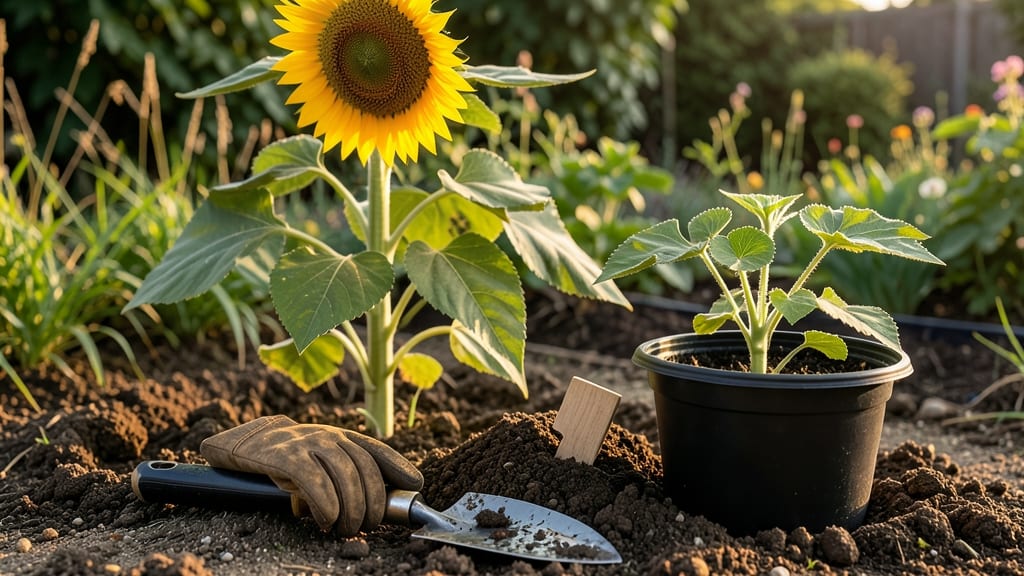
Planting sunflowers in Tennessee after the last frost—typically mid-April—sets the stage for towering blooms and a bountiful harvest by fall.
Picture this: a sunflower 🌻 reaching 10 feet tall by August, its seeds ready for snacking or bird feeders. But miss that planting window, and you’ll end up with stunted stems or no blooms at all.
The difference between a thriving garden and a disappointing one often comes down to timing—and Tennessee’s varied USDA zones (6a–7b) add another layer to get right.
Whether you’re in East Tennessee’s cooler hills or West Tennessee’s warmer plains, the ideal window shifts slightly. I’ll break down the exact months for each zone, plus the best varieties for your region, so you can enjoy sunflowers from June through October without guessing.
Ready to grow sunflowers that steal the show? You’ll learn how to time your planting, prep the soil, and even push your season later into fall—so those golden faces keep appearing until the first frost.
Tennessee’s best sunflower planting months by USDA Zone (with exact dates)
Tennessee’s varied climate—from the cooler Appalachian Mountains to the hotter Memphis plains—means your sunflower planting window depends heavily on your USDA zone. In Zone 6a (high elevations), you’ll plant earlier than in Zone 7b (western Tennessee), where summers arrive sooner.
The key is timing your seeds for soil temperatures above 50°F and avoiding late frosts that can stunt young sprouts.
Most Tennessee gardeners aim for mid-April to early June planting, but exact dates shift based on elevation and microclimates. For example, Nashville (Zone 7a) typically sees its last frost around April 15th, while Chattanooga (Zone 7b) warms up a week earlier.
Understanding these nuances ensures your sunflowers reach their full 6-15 foot potential before Tennessee’s first frost in October.
Soil temperature is just as critical as air temperature. Sunflower seeds need consistent 50°F+ soil to germinate reliably. Use a soil thermometer to confirm readiness—cold, wet soil can delay sprouting by weeks. In Zone 6a, this often means waiting until late April or early May, while Zone 7b gardeners can start as early as mid-April.
Here’s how Tennessee’s USDA Zones 6a–7b break down for optimal sunflower planting, including exact frost-free dates and soil prep tips:
| USDA Zone | Last Frost Date | Ideal Planting Window | Soil Temp Requirement | Notes |
|---|---|---|---|---|
| 6a (High Elevations) | April 20–May 5 | Late April–early May | 50°F+ (10°C+) | Wait for consistent warmth; risk of late frosts. |
| 6b (East TN) | April 10–April 25 | Mid-April–early May | 50°F+ (10°C+) | Soil warms faster in valleys; monitor closely. |
| 7a (Middle TN) | April 1–April 15 | Early April–late May | 50°F+ (10°C+) | Nashville’s zone; ideal for giant varieties. |
| 7b (West TN) | March 20–April 5 | Late March–early June | 50°F+ (10°C+) | Memphis area; extend season with fall plantings. |
For Zone 6a gardeners in areas like Bristol or Johnson City, patience is key. Planting too early risks frost damage to tender seedlings, while waiting until mid-May ensures robust growth.
In contrast, Zone 7b’s warmer climate (think Memphis or Jackson) allows for earlier starts in late March, even pushing some varieties to bloom by July.
Pro tip: Use black plastic mulch to warm soil faster in cooler zones. This simple trick can shave 1–2 weeks off your planting timeline by raising soil temperatures by 5–10°F. Pair it with row covers for an extra layer of frost protection if late springs delay planting.
Don’t overlook succession planting for a continuous harvest. In Zone 7b, you can sow a second batch in early June for fall blooms, while Zone 6a gardeners might try mid-June plantings for late-summer flowers. Just ensure seeds have at least 60 days until your first frost to mature.
One common mistake? Planting sunflowers too deep. Seeds need 1–1.5 inches of soil coverage max—any deeper, and they’ll struggle to surface. Pair this with well-draining soil (sunflowers hate soggy roots) and you’re set for vibrant, towering blooms that’ll turn heads all summer long.
🌻
Sunflower varieties that flourish in Tennessee’s heat (and when to plant each)
Tennessee’s hot summers and humid climate create the perfect environment for sunflowers—but not all varieties thrive equally. Some bolt too quickly, while others struggle with heat stress. Choosing the right type ensures vibrant blooms and edible seeds from June through October.
Let’s break down the best sunflower varieties for Tennessee and their ideal planting windows.
For Tennessee’s USDA Zones 6a–7b, the key is selecting sunflowers that tolerate 90°F+ temperatures without wilting. Giant varieties like ‘Mammoth’ need extra care to avoid flopping, while dwarf types like ‘Teddy Bear’ handle heat better.
Planting times also vary—some bloom in 70 days, others take 120 days, so timing matters for year-round harvests.
Comparison of Tennessee’s Top Sunflower Varieties
If you’re aiming for early summer blooms, plant Mammoth or Russian Giant in April.
For fall harvests, try Autumn Beauty or Sunspot in June—they’ll thrive through Tennessee’s hot, dry spells. Dwarf varieties like Teddy Bear are perfect for containers or small spaces and can even be planted in late June for late-season color.
Pro tip: Mulch heavily around giant varieties to retain moisture during 90°F+ days. For oilseed types, like Sunspot, let some heads dry on the stalk for homegrown birdseed—Tennessee’s goldfinches love them! 🌻
Don’t overlook succession planting. By staggering varieties—like planting Teddy Bear in May and Autumn Beauty in Junecontinuous blooms from July through October. Just remember: direct-sow seeds after the last frost (usually mid-April), and avoid