
Flowers
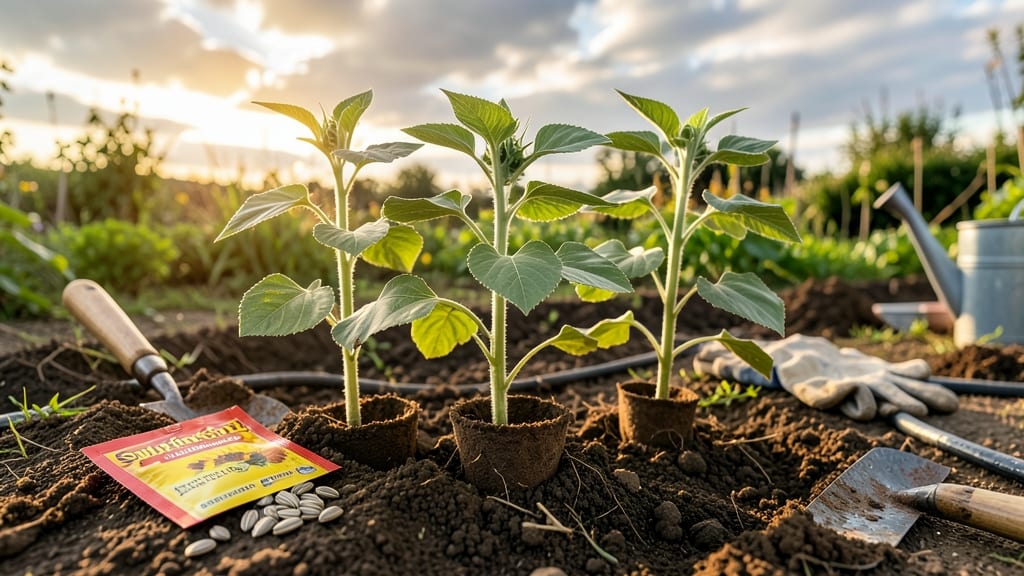
Plant sunflowers in Zone 8a between March and April for the fastest, tallest blooms 🌻 — or try late summer for a second round of color before frost.
You’ve probably seen those 10-foot giants in summer photos, but timing matters more than you’d think. Plant too early, and frost nibbles the seedlings. Too late, and the heat sends them bolting before they even open.
Zone 8a’s mild winters and long summers give you two shots at success, but the window is narrower than you’d expect.
Sunflowers love the heat, but they need a head start. The soil should hit 55°F and stay there, which in 8a usually means waiting until after the mid-February frost has passed.
That’s why March is your sweet spot — enough warmth to germinate without the scorching that comes later in the year.
Below, I’ll break down the exact months for planting, how to adjust for summer’s intensity, and which sunflower varieties hold up best in 8a’s climate. Ready to grow sunflowers that reach for the sky?
Best planting months for sunflowers in Zone 8a: a month-by-month breakdown
Zone 8a gardeners get two chances to grow sunflowers—spring and late summer—but timing is everything. The key is planting when soil temperatures hit 55°F or warmer, which in 8a typically means waiting until after the last frost date (mid-February).
Too early, and frost will kill tender seedlings; too late, and summer heat can cause bolting before blooms appear.
For the fastest, tallest sunflowers, aim for March through April. This window ensures seedlings germinate quickly in warming soil while avoiding the peak summer heat that stresses young plants. Late summer (August) offers a second planting opportunity for fall blooms before frost arrives in November.
Here’s the breakdown you need to maximize your sunflower success in Zone 8a:
March is my top recommendation for sunflowers in Zone 8a. The soil warms quickly after the last frost, giving seeds the perfect environment to germinate in 7-10 days. Planting in March also ensures your sunflowers mature before summer’s peak heat arrives, reducing stress and bolting risks.
If you miss March, don’t despair—April is still a great time, though you’ll need to water deeply to help seedlings establish before summer’s intensity sets in. For a second round of blooms, late August is your best bet.
These sunflowers will bloom just in time for fall, adding color to your garden as temperatures cool.
Avoid planting in May or June unless you’re growing dwarf varieties. The intense heat can cause sunflowers to bolt (send up a tall stem without flowering) or produce smaller, less vibrant blooms. Instead, focus on the March-April window for the most dramatic results.
Pro tip: Use a soil thermometer to confirm temperatures before planting. Sunflower seeds need consistent warmth to germinate, and soil that’s too cool will leave you waiting weeks for sprouts. Aim for 55°F or warmer for reliable germination.
For transplanting (if you start seeds indoors), February is your last chance before the frost-free window closes. Just be prepared to protect seedlings with row covers if late frosts linger. Transplants should be 3-4 inches tall and hardened off before moving them outdoors.
Remember, sunflowers are fast growers—some varieties reach maturity in just 60-90 days. By planting
How to adjust sunflower planting for Zone 8a’s heat and humidity
Zone 8a’s hot summers and high humidity can turn sunflowers into floppy, stressed plants if you don’t adjust your approach. The key is to time your planting to avoid the worst heat and manage soil moisture like a pro.
I’ve learned the hard way—skipping these steps means sunflowers that bolt too fast or wilt before they bloom.
Sunflowers love warmth but hate soggy roots and sudden heat spikes. In Zone 8a, the late spring (March-April) is ideal for spring planting, while late summer (August) works for a second crop.
The trick? Start seeds when soil temps hit 55°F but before the 90°F+ summer heat sets in permanently.
- 📅 Plant in March-April for spring blooms—avoid early February (frost risk) and late May (extreme heat).
- 💧 Water deeply 2x/week in summer; mulch with 2-3 inches of straw to retain moisture.
- ☀️ Choose heat-tolerant varieties like ‘Moulin Rouge’ or ‘Autumn Beauty’—they handle 8a’s humidity better.
- 🌡️ Monitor soil temps—if it hits 85°F+, shade seedlings with floating row covers until they establish roots.
- 🍂 Try a late August planting for fall blooms—seeds germinate faster in warm soil, and cooler October temps prevent bolting.
One of my biggest mistakes was planting sunflowers in early May—by June, the 100°F heat had them wilting within days. The solution? Stagger your plantings in 2-week intervals from March to early April. This spreads out your blooms and ensures some always look fresh.
For fall sunflowers, aim for late August—the soil stays warm enough to germinate, but cooler October temps keep them from bolting prematurely.
Heat and humidity also mean fungal risks like powdery mildew. To prevent this, I space plants 12-18 inches apart (instead of the usual 6 inches) for better airflow. Add a balanced fertilizer (5-10-10) when seedlings are 4 inches tall, but avoid nitrogen-heavy feeds—they encourage leafy growth over blooms.
A light feeding in early summer keeps them strong without overstimulating growth.
For extended fall blooms, I’ve had success with ‘Teddy Bear’ sunflowers—they’re dwarf varieties that mature faster and handle humidity better. Plant them in late July for blooms in September-October, just before the first frost.
Their smaller size also makes them wind-resistant, which is a bonus in 8a’s occasional storms.
Remember: Sunflowers in Zone 8a need love, not neglect. With the right timing, soil prep, and variety selection, you’ll get towering blooms that last from summer through fall—without the stress of wilting or bolting.
Start with these adjustments, and your sunflowers will thank you with vibrant, sun-drenched faces all season long. 🌻