
Plants
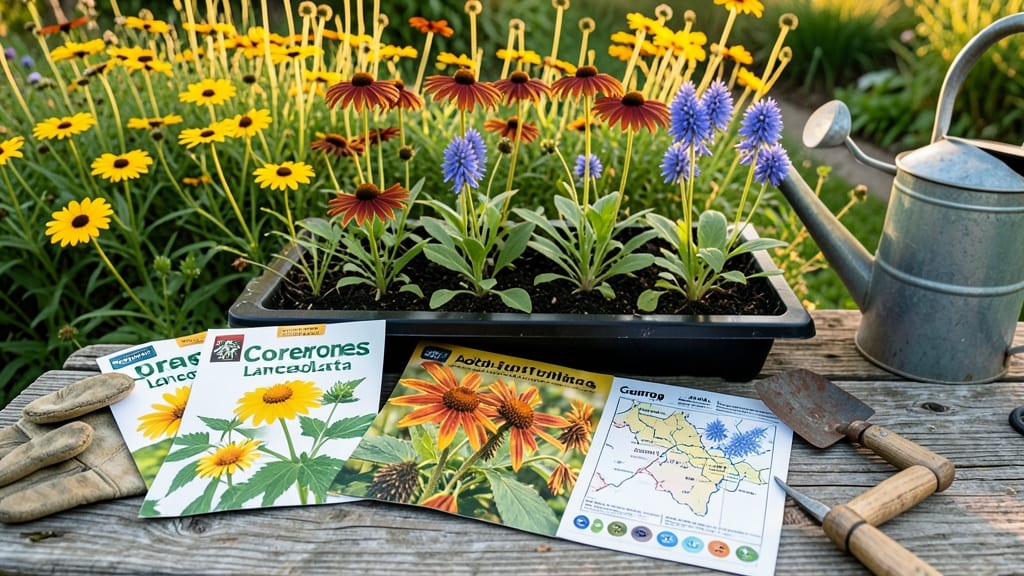
Planting wildflower seeds in Georgia at the right time ensures vibrant blooms from spring through summer 🌼 — and the best windows are late winter to early spring or fall, when soil temperatures cooperate.
If you’ve ever scattered seeds in Georgia’s sweltering summer only to watch them dry out before sprouting, you know timing is everything. The key is planting when the ground is warm enough for germination but cool enough to avoid stress — a tricky balance in our humid climate.
For USDA Zones 7b-8a, late winter to early spring (February–March) and fall (September–October) are your sweet spots. Spring planting lets wildflowers establish roots before summer heat, while fall seeds take advantage of cooler temps and winter moisture.
Below, I’ll break down the exact months to aim for, soil prep tips, and how to keep your wildflowers thriving once they pop up — no guesswork, just Georgia-tested results.
Best planting months for wildflowers in Georgia’s zones 7b-8a
Georgia’s diverse microclimates create perfect conditions for wildflowers, but timing is everything. In USDA Zones 7b-8a, coastal areas like Savannah experience milder winters, while Piedmont regions like Athens face slightly cooler temperatures. These differences mean your planting window should adapt to your specific location for maximum success.
Most gardeners swear by fall planting for wildflowers in Georgia, but spring also works if you follow local frost dates. Coastal areas can plant as late as mid-November without frost worries, while Piedmont gardeners should aim for early October to avoid winter chill.
Let’s break down the best months for each region.
🌱 Comparison Table: Best Wildflower Planting Months in Georgia
| Region | Optimal Planting Window | Alternative Window | Key Consideration |
|---|---|---|---|
| Coastal (7b-8a) | September 15 - October 31 | February 1 - March 15 | Warmer winters allow late fall planting |
| Piedmont (7b-8a) | August 15 - September 30 | March 1 - April 15 | Cooler nights require earlier planting |
| North Georgia (7b) | August 1 - September 15 | February 15 - March 10 | Higher elevation means earlier frost |
For spring planting, aim for late winter to early spring (February-March) when soil temperatures consistently stay above 60°F. This gives seeds time to germinate before summer heat arrives.
I’ve found that native wildflower mixes like Black-Eyed Susan and Coreopsis thrive when planted in spring, especially in Piedmont areas where winters are slightly cooler.
If you prefer fall planting, September and October are ideal months when daytime temperatures begin to cool. This timing allows seeds to germinate slowly over winter and burst into bloom come spring.
Coastal gardeners can push planting to November, but Piedmont gardeners should finish by October 15 to avoid potential early frosts.
One key advantage of fall planting is reduced competition from weeds. Wildflower seeds establish roots before spring weeds take over, giving your blooms a head start. Plus, fall-planted seeds often produce earlier and more abundant blooms the following year.
I’ve seen my Butterfly Milkweed plants in Athens bloom twice as heavily when planted in fall versus spring.
Don’t forget about soil preparation—whether you plant in spring or fall. Wildflowers thrive in well-draining soil with minimal fertilizer. Simply loosen the top 1-2 inches of soil, remove weeds, and scatter seeds lightly.
Press them into the soil (no need to bury deeply) and water gently. Overwatering can wash seeds away, so a light misting is best after planting.
For coastal Georgia, where humidity is higher, consider planting in early September to avoid fungal issues that can arise from late summer heat and moisture. The Atlantic coast also benefits from planting after hurricane season (typically by October 1) to prevent seed displacement from heavy rains.
In contrast, Piedmont regions should plant by mid-September to ensure seeds germinate before winter dormancy.
Pro tip: If you’re unsure about your local frost dates, check with your local Cooperative Extension office. They provide free frost date maps and planting guides tailored to your specific county. I always verify my planting timeline with theirs—it’s saved me from late-season frost surprises more than once!
Remember that wildflowers are resilient, but timing still matters. Even a one-month difference can mean the difference between a vibrant meadow and a sparse display. By following these regional guidelines, you’ll enjoy year-round color with minimal effort and maximum impact. Happy planting!
How soil temperature and rainfall affect wildflower germination in Georgia
Georgia’s wildflowers thrive when planted during the right soil temperature and rainfall conditions, but our unpredictable climate—from sudden spring showers to summer droughts—can derail even the best-laid plans.
Most wildflower seeds need soil temps between 60°F and 75°F to germinate, but Georgia’s humid heat and flash floods can create challenges. Monitoring these factors ensures your seeds sprout reliably, whether you’re planting native Black-Eyed Susans or drought-tolerant Coreopsis.
In USDA Zones 7b-8a, soil warms quickly in spring, but unpredictable rainfall can wash seeds away or create soggy soil that suffocates sprouts. Fall planting often works better because cooler temps and steady rains give seeds time to establish before winter.
However, if you plant in spring, aim for March or early April when soil temps stabilize and rain patterns become more predictable.
| Condition | Ideal Range | Georgia-Specific Tip |
|---|---|---|
| Soil Temperature | 60°F–75°F | Use a soil thermometer—wait until mornings stay above 60°F for 3+ days. |
| Rainfall Timing | 0.5–1 inch/week | Plant after 1–2 weeks of dry weather to avoid seed erosion. |
| Humidity Levels | 40–60% | High humidity? Mulch lightly to prevent fungal issues. |
| Drought Risk | Low–Moderate | Choose native wildflowers like Purple Coneflower for drought resilience. |
If you’re planting in spring, watch for soil moisture—too much rain can drown seeds, while too little can dry them out. A light mulch layer (like straw) helps retain moisture without smothering sprouts.
For fall planting, aim for September or October when temps drop but aren’t yet freezing. This gives seeds time to germinate before winter slows growth.
Georgia’s coastal regions (like Savannah) stay warmer longer, so you can plant wildflower seeds as late as November. In the Piedmont (Atlanta area), first frost often hits by mid-November, so October is ideal.
Use a frost date calculator to adjust timing—most wildflowers need 4–6 weeks to establish roots before cold sets in.
Don’t let unpredictable weather stress you out! If rain delays planting, cover seeds lightly with mulch to protect them until conditions improve. And if drought hits, water deeply but infrequently to encourage deep root growth.
With the right timing, your wildflowers will reward you with bold blooms from spring through fall. 🌼
Pro tip: Mix native wildflower seeds with compost before scattering—the extra nutrients help seeds push through tough Georgia clay. And always test your soil pH (aim for 6.0–7.0) to ensure optimal germination. Happy planting! 🌱