
Plants
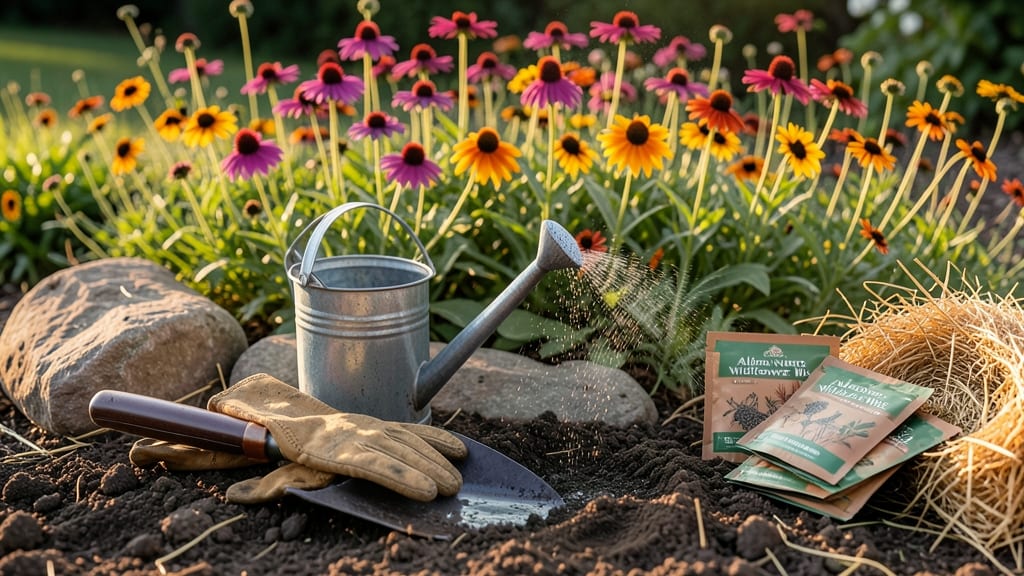
Planting wildflower seeds in Alabama at the right time ensures vibrant blooms from spring through frost, no matter whether you’re in the mountains or the coastal plains.
Alabama’s diverse climate—from humid coastal plains to cooler mountain regions—means wildflower planting timing can make or break your garden’s success. Miss the window, and you’ll end up with patchy blooms or weeds taking over instead.
For year-round color, aim for two planting seasons: late winter to early spring (February–March) for spring blooms, or fall (September–October) to beat the heat. Each microclimate has its own ideal timing, so let’s break down the best months for your part of the state.
You’ll also discover how soil prep, sunlight, and native species choices can turn your yard into a pollinator paradise—without the guesswork. Let’s get those seeds in the ground the right way.
Best months to plant wildflower seeds in Alabama’s 3 key microclimates
Alabama’s three distinct microclimates—cool mountain regions, moderate central valleys, and humid coastal plains—create unique planting windows for wildflowers. Getting the timing right ensures strong germination and year-round blooms.
Whether you're in North Alabama’s USDA Zone 6A or South Alabama’s Zone 8B, these guidelines will help you plant at the perfect moment.
In North Alabama, where cooler temperatures and later frost dates prevail, wildflower seeds thrive when planted in late winter or early fall. Meanwhile, Central Alabama’s moderate climate allows for a wider planting window, while South Alabama’s heat and humidity demand early fall or late winter sowing.
Let’s break down the best months for each region to maximize your wildflower success.
| Microclimate | Best Planting Months | Soil Temp for Germination | Last Frost Date | Key Wildflower Varieties |
|---|---|---|---|---|
| North Alabama (Zone 6A) | Late February - Early March September - October |
50-60°F | Mid-April | Black-eyed Susan, Purple Coneflower, Goldenrod |
| Central Alabama (Zone 7B) | Early March - April August - September |
55-65°F | Early April | Coreopsis, Butterfly Weed, Blanket Flower |
| South Alabama (Zone 8B) | Late January - February September - October |
60-70°F | Mid-March | Firewheel, Partridge Pea, Gulf Coast Aster |
For North Alabama, the cool mountain climate means you’ll want to plant wildflower seeds in late February or early March to take advantage of warmer soil temperatures before summer heat arrives.
Alternatively, fall planting in September or October allows seeds to establish roots before winter dormancy. Black-eyed Susans and Purple Coneflowers are excellent choices for this region’s cooler, shorter growing season.
In Central Alabama, where moderate temperatures and longer growing seasons prevail, you can plant wildflower seeds from early March to April or again in August to September.
This region’s USDA Zone 7B climate supports a wider variety of drought-tolerant wildflowers, including Coreopsis and Butterfly Weed, which thrive with minimal care once established.
If you're in South Alabama’s humid coastal zone, focus on late January to February or September to October planting. The warmer soil temperatures in this region allow for earlier germination, but summer heat can stress young seedlings.
Native varieties like Firewheel and Partridge Pea are perfect for this high-humidity environment and require minimal watering once established.
Regardless of your region, soil temperature is critical for wildflower seed germination. Use a soil thermometer to ensure temperatures reach at least 50°F before planting. In North Alabama, aim for 50-60°F, while Central Alabama benefits from 55-65°F, and South Alabama thrives with 60-70°F soil temps.
Always prepare your soil by removing weeds and loosening the top 2 inches of soil. Scatter seeds lightly—they don’t need to be buried deeply—and press them gently into the soil. A light mulch of straw or pine needles helps retain moisture and suppress weeds without smothering young plants.
Water lightly but consistently until germination occurs, typically within 10-21 days depending on species and weather conditions.
Timing your wildflower planting correctly ensures vibrant blooms from spring through fall. In North Alabama, expect flowers as early as May, while Central Alabama gardens burst into color by April, and South Alabama wildflowers often bloom year-round in ideal conditions.
By following these region-specific guidelines, you’ll create a low-maintenance, pollinator-friendly garden that thrives in Alabama’s diverse climate.
Pro tip: If you’re unsure about your last frost date, check with your local Cooperative Extension office or use a frost calendar for your specific county. This ensures you plant at the optimal time for your unique microclimate, setting your wild
How Alabama’s climate zones affect wildflower seed germination success rates
Alabama’s USDA hardiness zones 6A-8B create dramatic differences in wildflower germination success. In North Alabama (6A-7A), cooler temperatures and higher humidity demand earlier planting, while South Alabama (8A-8B) benefits from extended growing seasons. Understanding these variations ensures your wildflowers thrive year-round.
Temperature is the biggest factor in germination rates. Most wildflower seeds need soil temps between 60°F and 75°F to sprout. In Zone 6A, this window opens in early April, while Zone 8B can start as early as February.
Humidity also plays a role—South Alabama’s coastal regions see higher moisture retention, which can lead to faster germination but also increased fungal risks.
Rainfall patterns further complicate timing. North Alabama receives 50-60 inches annually, while South Alabama gets 55-65 inches. Too much rain can wash seeds away, while drought conditions in summer months stress young seedlings. Balancing these factors is key to success.
For North Alabama gardeners, native species like Black-eyed Susan (Rudbeckia hirta) and Purple Coneflower (Echinacea purpurea) thrive in zones 6A-7A. These drought-tolerant perennials handle cooler springs well. In South Alabama’s Zone 8B, opt for Coreopsis and Mexican Sunflower (Tithonia rotundifolia), which love the heat and humidity.
If you're in South Alabama, prioritize drought-resistant varieties like Blanket Flower (Gaillardia) or Firewheel (Gaillardia pulchella). These handle summer heat and occasional drought better than other wildflowers. Always prep soil with compost to improve moisture retention during Alabama’s intense summer months.
Timing matters most: Fall planting