
Plants
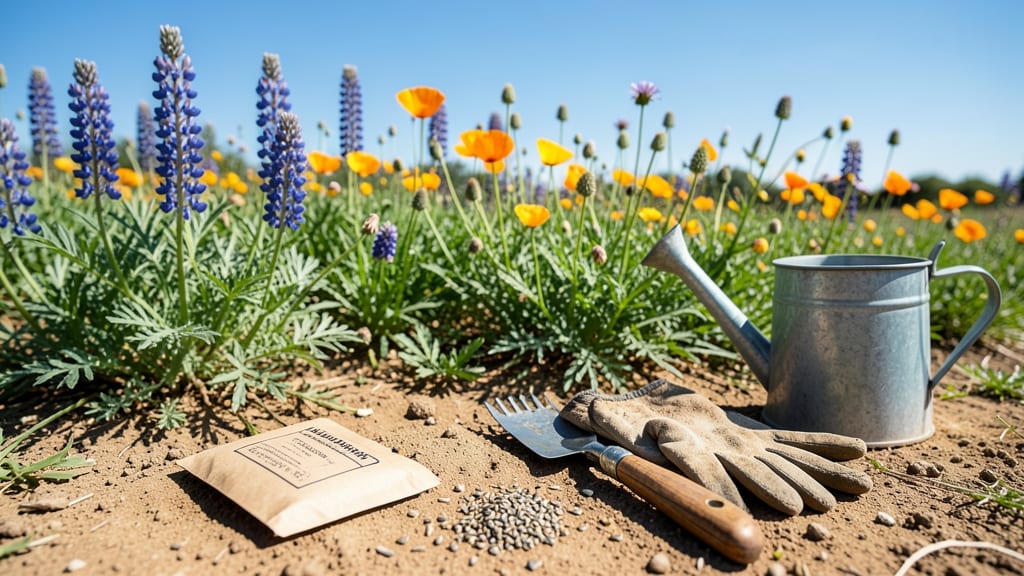
Planting wildflower seeds in Southern California at the right time means the difference between a burst of color and a patchy, underwhelming display.
Southern California’s mild winters and long growing seasons make it a paradise for wildflowers—but planting at the wrong time means sparse blooms and missed color opportunities. Whether you’re dreaming of bright California poppies or delicate blue-eyed grass, timing is everything.
Fall is the golden window for most species, when cooler temperatures and occasional rains create ideal conditions for germination. But spring plantings can also deliver stunning results, especially for heat-tolerant varieties like lupines.
In this guide, I’ll break down the exact months to sow seeds for year-round blooms, tailored to SoCal’s unique microclimates—plus pro tips to extend your wildflower season and keep your garden vibrant.
Best planting months for wildflowers in Southern California by season
Southern California’s Mediterranean climate creates perfect conditions for wildflowers, but timing is everything. The cool, wet fall and mild spring are your best bets for vibrant blooms, while summer heat can stress young seedlings.
I’ve planted California poppies and lupines for years, and I’ve learned the fall window (October–December) is truly the golden period for most native species.
Why fall? Cooler temperatures and consistent autumn rains help seeds germinate without the intense summer drought that can dry them out. Plus, many wildflowers—like blue-eyed grass and tidytips—need a cool season to establish roots before summer’s heat arrives.
Spring planting (February–March) works for heat-loving varieties, but you’ll miss the earlier blooms that fall-sown seeds deliver.
Here’s my seasonal planting breakdown for SoCal’s USDA zones 9b–11, including drought-tolerant favorites and their ideal timing:
For fall planting, aim to sow seeds 4–6 weeks before the first consistent rains (usually late October). This gives seeds time to absorb moisture without washing away.
I’ve had the most success with California poppies—they germinate in 7–14 days when planted in well-draining soil and kept moist. Lupines, on the other hand, need stratification (a cold period), so fall is ideal for them too.
Spring planting (February–March) is your second-best window, especially for heat-loving wildflowers like desert marigolds and evening primrose. These varieties thrive in hot, dry conditions and benefit from spring rains to kickstart growth.
However, avoid planting after mid-March, as summer’s intense heat can cause seeds to dry out before germinating.
Pro tip: If you’re planting in coastal areas (like Malibu or Santa Barbara), you can extend your fall window into early December thanks to milder temperatures. Inland valleys (e.g., Los Angeles Basin) may need to plant earlier (late September) to avoid winter rains washing seeds away.
Always check your local microclimate—even a 5-mile difference can shift planting by 2–4 weeks.
Watering is critical in the first 4–6 weeks after planting. Wildflowers are drought-tolerant, but seeds need consistent moisture to sprout. I recommend light, frequent watering (every 3–5 days) until seedlings are 1–2 inches tall, then taper to weekly deep watering.
Overwatering can rot seeds, so always check soil moisture with your finger—it should be damp but not soggy.
One common mistake I see is planting too late in fall (after December) or too early in spring (before February). Late fall seeds may dormant until spring, while early spring seeds can overheat before germinating.
Stick to the optimal windows in the table above, and you’ll see vibrant blooms from March through summer. For continuous color, I plant 1/3 in fall, 1/3 in late winter, and 1/3 in early spring.
Ready to transform your garden? Start with California poppies or lupines for a low-maintenance, high-impact display. Just remember: fall is your friend, and patience pays off with wildflowers—some varieties take 2 years to reach full bloom! 🌼
Microclimate-specific planting timing for SoCal regions (coastal vs. desert vs. inland)
Southern California’s diverse microclimates create wildly different conditions for wildflower germination. While coastal areas like Malibu enjoy mild, foggy winters, desert regions such as Palm Springs can experience sudden cold snaps.
Meanwhile, inland valleys like Los Angeles face rare but possible frost events. These variations mean your planting schedule should shift dramatically depending on where you live.
For coastal regions, fall planting (October–December) is ideal because cooler temperatures and winter rains create perfect germination conditions. Inland areas can plant slightly later, around November–January, while desert regions benefit from early spring planting (February–March) to avoid summer heat stress. Understanding these differences ensures your wildflowers thrive.
Soil temperature is another critical factor. Most wildflower seeds need soil temps between 60–75°F to germinate. Coastal areas hit this range naturally in fall, while desert regions may need light irrigation to cool the soil before planting. Inland valleys can experience unpredictable temperature swings, so monitor forecasts closely.
Frost dates further complicate timing. Coastal areas rarely see frost, but inland valleys (like San Bernardino) can experience light frost in December–January. Desert regions avoid frost entirely, but extreme cold snaps in Palm Springs can occur in winter. Always check your local USDA hardiness zone (9b–11) for precise guidance.
If you’re in a coastal zone, prioritize California poppies and lupines for fall planting—they’ll bloom brightly by spring. Inland gardeners should focus on drought-resistant varieties like goldenrod or yarrow, which handle temperature fluctuations better.
Desert regions thrive with blanket flower and desert marigold, planted in early spring to avoid summer drought.
Pro tip: Use mulch in inland areas to insulate soil and prevent temperature swings. In desert regions, lightly water seeds daily until germination occurs, then reduce to weekly. Coastal gardeners can rely on natural rainfall but should still monitor soil moisture—wildflowers hate soggy roots! 🌱