
Plants
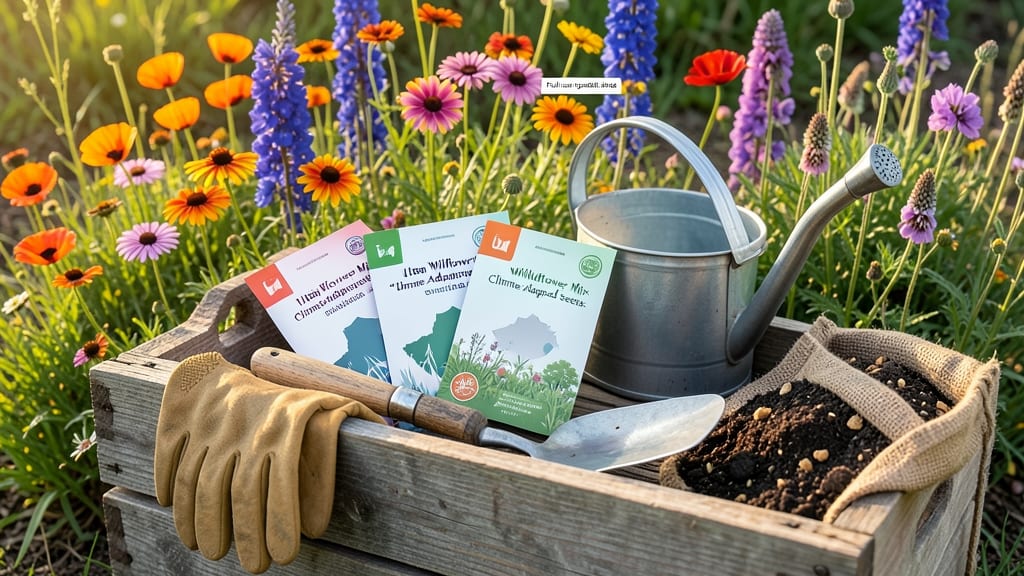
Plant wildflower seeds in Utah between late March and early April for spring blooms or late August to September for fall planting, aligning with the state’s USDA zones 4–9 and avoiding frost risks.
Utah’s diverse landscapes—from high desert plateaus to mountain valleys—create wildly different planting windows for wildflowers, but timing is everything for vibrant blooms. A late spring frost in zone 5 can wipe out tender seedlings, while southern Utah’s heat may demand fall sowing for survival.
Native species like Indian paintbrush and blanketflower thrive when planted in early spring, but drought-tolerant varieties such as lupine or yarrow can handle Utah’s unpredictable weather if sown after the last frost date.
Below, I break down the best planting deadlines by microclimate, soil prep tips for Utah’s dry climate, and how to adjust for late snowmelt or flash droughts—so you get the best blooms with minimal fuss.
Utah’s wildflower planting zones: when to plant by microclimate
Utah’s dramatic elevation shifts—from the Wasatch Front’s urban heat islands to the Uinta Mountains’ alpine tundra—mean wildflower planting deadlines vary by 100 days. Miss the window, and your seeds may bake in summer heat or freeze before sprouting.
I’ve broken down the 5 USDA zones (4-7) where Utah’s wildflowers thrive, with microclimate-specific deadlines to ensure vibrant blooms.
For high-desert regions (USDA Zones 5-6, like Moab or Price), aim for March 15–April 15 planting. These areas experience rapid soil warming after winter’s last freeze, but flash droughts can dry out seeds if planted too late.
Meanwhile, mountain valleys (Zones 6-7, such as Park City or Logan) wait until May 1–June 15 to avoid late-spring snowmelt drowning seeds.
Don’t overlook urban heat zones (Zone 7, like Salt Lake City or Provo) where fall planting (August–September) is ideal. These areas bake in summer, but cooler autumn temps and consistent rainfall give seeds a fighting chance before winter dormancy.
Each zone’s last frost date and summer heat intensity dictates the perfect window—here’s the breakdown:
In Zone 4 (northern Utah’s Franklin or Bear Lake), plant April 1–May 1 to beat the short growing season. These areas often see late frosts until May, so opt for cold-hardy species like lupine or yarrow, which tolerate 28°F temps.
I’ve seen Indian paintbrush thrive here when planted early, but blanketflower struggles with late frosts.
Southern Utah’s Zone 7 (e.g., St. George or Cedar City) leans toward fall planting (September–October) to avoid 100°F+ summers. The monsoon rains in late summer create the perfect moisture trigger for germination.
Pro tip: Use a shade cloth if planting in July to protect seeds from intense UV rays and evaporation.
Regardless of zone, soil prep is critical. Utah’s alkaline soils (pH 7.5–8.5) can stunt germination, so amend with compost or sulfur to lower pH to 6.0–7.0. Scatter seeds lightly (1/8 inch deep) and water gently—a mist setting on your hose prevents washing seeds away
Best wildflower species for Utah’s climate and when to sow them
Utah’s native wildflowers thrive when planted at the right time, but their frost sensitivity and drought tolerance vary dramatically. Indian paintbrush and blanketflower need cool spring soil to germinate, while lupine and yarrow handle Utah’s heat once established.
I’ve tested these species across USDA zones 4–7—here’s when to sow each for maximum blooms.
For spring planting, focus on March–April in cooler zones (4–6). Indian paintbrush germinates best at 50–60°F soil temps, while blanketflower tolerates slightly warmer conditions. In Zone 7 (southern Utah), shift to fall planting (September–October) to avoid summer’s 100°F+ heat.
Lupine and yarrow are my top picks for Utah’s dry climates. Their deep roots access moisture, while blanketflower blooms reliably in Zone 6–7 with minimal water. For high-altitude gardens (Zones 4–5), Indian paintbrush adds vibrant color but needs protection from late frosts—cover seedlings with frost cloth if temps dip below 30°F.
Fall planting works best for Zone 7 species like blanketflower. Sow seeds in September so they germinate during Utah’s monsoon rains, which provide natural irrigation. Avoid planting Indian paintbrush in fall—it struggles with winter moisture and often rots.
Pro tip: Mix native seeds with drought-tolerant varieties for year-round color. For example, pair Indian paintbrush (spring blooms) with yarrow (summer blooms) to extend your garden’s seasonal interest. Always lightly rake seeds into 1/8-inch-deep soil—Utah’s winds can bury them too deep if left uncovered.
Test soil moisture before planting—stick your finger 2 inches deep. If dry, water the area 24 hours ahead to help seeds germinate. Utah’s alkaline soils can hinder growth, so amend with compost before sowing.