
Plants
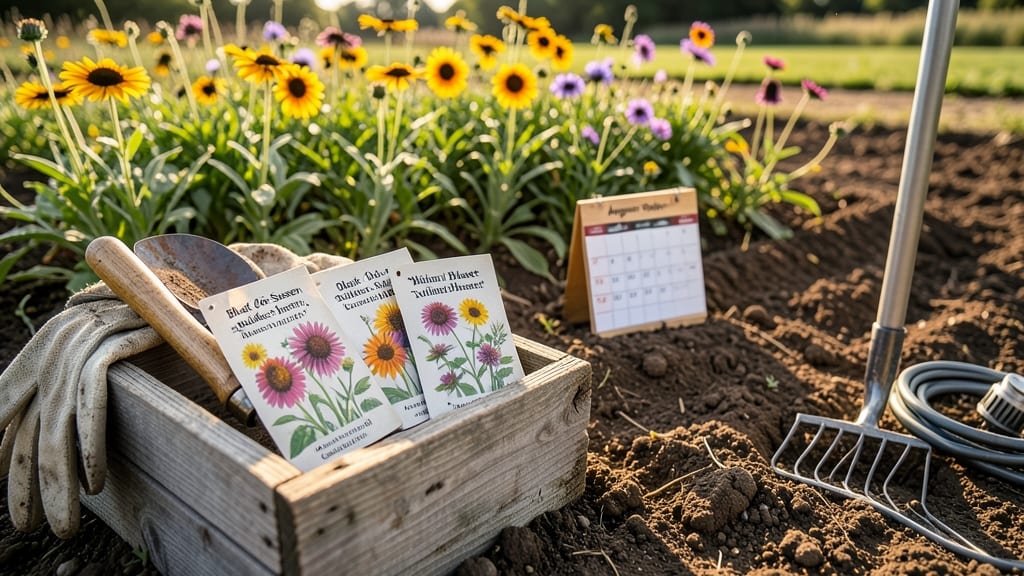
Planting wildflower seeds in Oklahoma at the right time means the difference between a vibrant meadow and a patch of dirt.
If you’ve ever watched your wildflower seeds sprout only to fade before summer’s peak, you know how critical timing is. Oklahoma’s climate—hot summers, unpredictable rains, and frost dates that shift by region—makes the window for success narrow.
Miss it, and you’ll spend another year admiring neighbors’ blooms instead of enjoying your own.
Most gardeners in Oklahoma’s USDA Zones 6a-8a swear by two planting seasons: fall and spring. Fall sowing (September to October) gives seeds a head start, while spring planting (February to April) aligns with natural rainfall.
But which is best for your garden? And how do you prep the soil to make sure those seeds take root fast and bloom bright?
In this guide, I’ll break down the exact months to plant by zone, share soil prep secrets for Oklahoma’s tricky climate, and recommend the fastest-growing wildflower mixes that thrive here—so you can enjoy a burst of color without the guesswork.
Best months to plant wildflower seeds in Oklahoma by USDA Zone
Oklahoma’s three USDA zones (6b, 7a, and 7b) create distinct planting windows for wildflowers, but the golden rule is simple: plant when soil temps hit 50–60°F. This means fall or early spring timing, depending on your region.
In Zone 6b (northern OK), cooler springs and earlier frosts demand earlier action, while Zone 7b (south-central OK) offers a slightly extended window. Let’s break down the best months for each zone to ensure your wildflowers thrive from seed to bloom.
Fall planting—typically September through October—is my top recommendation for Oklahoma wildflowers. Seeds germinate in cool weather, establish roots before winter, and burst into color the following spring. Spring planting (March–April) works too, but requires consistent moisture to prevent seed desiccation.
For Zone 7a/b gardeners, you can even squeeze in late fall plantings through mid-November if temperatures stay mild.
Here’s the key difference: Northern Oklahoma (Zone 6b) should prioritize September planting to avoid early frosts, while Southern Oklahoma (Zone 7a/b) can extend into October or even November.
Pro tip: Check your last frost date (March 15 for most of OK) and plant 6–8 weeks before to give seeds time to germinate without competing with weeds.
🌱
For Zone 6b gardeners, I recommend focusing on September planting to capitalize on cooler autumn temperatures. Wildflowers like Black-eyed Susans and Purple Coneflowers thrive when sown in fall—they’ll germinate, establish roots, and bloom earlier the next year.
If you’re planting in spring (March–April), keep seeds moist until germination (typically 7–14 days) by watering lightly daily.
In Zones 7a/b, your window expands. You can plant as late as November in milder microclimates, but aim for September–October for best results. Indian Blanket and Coreopsis love these zones and will reward you with bold, long-lasting blooms.
Pro tip: In drought-prone areas, mix seeds with a light mulch (like straw) to retain moisture and suppress weeds.
Don’t overlook microclimates—even within a zone, urban heat islands or sheltered valleys can shift planting windows by 2–4 weeks. For example, Oklahoma City (Zone 7a) might support November plantings, while rural northern OK could see frost by October 31.
Always scout your site for 2–3 weeks before planting to gauge soil conditions.
One common mistake? Planting too early in spring when soils are still cold. Wildflower seeds need consistent warmth to germinate—if you plant in February, seeds may rot before sprouting.
Instead, wait until soil temps hit 50°F (use a soil thermometer if unsure) or stick to fall planting for foolproof success.
🌿
Finally, native wildflowers are your best bet for Oklahoma gardens—they’re drought-tolerant, low-maintenance, and support local pollinators. Mix annuals (like Cosmos) with perennials (like Blazing Star) for year-round interest.
Whether you’re in Zone 6b or 7b, timing is everything—follow this schedule, and you’ll enjoy vibrant blooms from spring to fall with minimal effort.
☀️
How Oklahoma’s climate affects wildflower seed germination success
Oklahoma’s wildflowers thrive when planted at the right time, but our variable climate—from scorching summers to unpredictable rains—can make germination tricky. The key to success lies in understanding how soil temperatures, rainfall patterns, and seasonal shifts interact to create the perfect window for planting.
Wildflower seeds need consistent moisture and stable temperatures between 50–60°F to sprout reliably, which means timing matters more than you might think.
In Oklahoma, fall planting (September–October) is often ideal because cooler temperatures and autumn rains create perfect conditions for seeds to germinate without the stress of summer heat. However, spring planting (March–April) can also work if you prepare your seedbed carefully to retain moisture during our dry spells.
The challenge? Oklahoma’s unpredictable weather—one week of drought can turn into sudden downpours, and your seedbed must handle both extremes.
Here’s what you need to know to maximize your wildflower seeds’ survival in Oklahoma’s climate:
One of the biggest mistakes I see is planting too early in late winter (Jan–Feb) when soils are still cold and dry. Seeds may sprout, but they’ll struggle to establish roots before Oklahoma’s spring heat arrives.
Instead, aim for early spring (March) or early fall (September) when conditions are just right. If you’re in southern Oklahoma (Zone 7b+), you can push planting slightly later—even into early November—but always monitor weather forecasts for unexpected cold snaps.
To give your wildflowers the best start, I recommend pre-watering your seedbed 24 hours before planting. This ensures seeds have immediate access to moisture, which is critical in Oklahoma’s dry spells.
After sowing, gently press seeds into the soil (they don’t need to be buried deeply) and apply a light mulch to lock in moisture. Avoid overwatering—wildflowers hate soggy soil, which can lead to fungal diseases like damping-off.
Remember, Oklahoma’s climate is unpredictable but manageable. By aligning your planting with soil temperatures, rainfall patterns, and proper seedbed prep, you’ll give your wildflowers the best chance to thrive.
With the right timing, you’ll soon have a vibrant, low-maintenance garden that attracts pollinators and brightens up your landscape for years to come. 🌼