
Plants
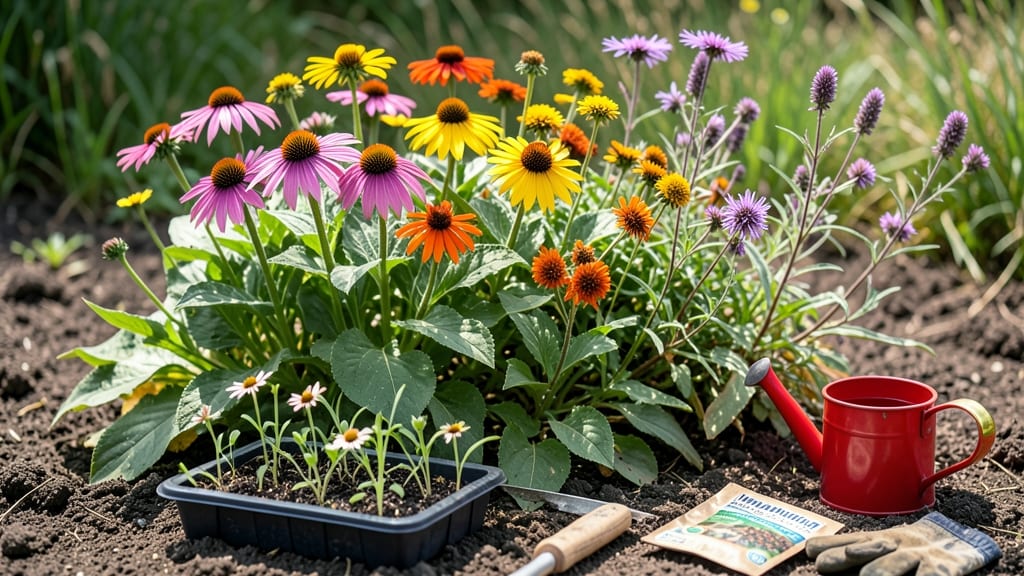
Planting wildflower seeds in Minnesota at the right time ensures vibrant blooms that thrive through the seasons—whether you’re aiming for a spring burst of color or a fall meadow that lasts.
Timing is everything when planting wildflower seeds in Minnesota—get it wrong, and your meadow could struggle to bloom, but nail it, and you’ll enjoy vibrant pollinator-friendly landscapes year after year. With Minnesota’s short growing season and unpredictable frost dates, knowing when to plant makes all the difference.
For USDA Zones 3–5, the best windows are late summer to early fall (August–September) or early spring (April–May), just after the last frost. This aligns with soil temperatures and moisture levels that encourage strong root growth before winter or summer heat sets in.
Below, I’ll break down the exact months for your zone, the best wildflower mixes for Minnesota’s climate, and simple care tips to keep your meadow thriving—no guesswork required.
Minnesota wildflower planting calendar by hardiness Zone (exact months for best results)
Minnesota’s diverse hardiness zones (3-5) create unique planting windows for wildflowers, where timing directly impacts germination success. Unlike warmer climates, fall planting often outperforms spring in Minnesota—giving seeds time to establish roots before winter. But early spring planting works too, if you account for frost-free dates and soil temperatures.
Most Minnesota gardeners focus on USDA Zones 3-5, where last frost dates range from mid-April (Zone 5) to late May (Zone 3).
For annual wildflowers, like cosmos or zinnias, spring planting is ideal, while perennials, such as coneflowers or black-eyed Susans, thrive when sown in late summer or early fall.
Here’s your zone-specific planting calendar—tailored to Minnesota’s climate quirks, including soil prep tips and weatherproofing strategies to beat frost and drought.
In Zone 3, where winters are harshest, fall planting is your best bet. Seeds like wild bergamot or prairie smoke benefit from natural cold stratification—a process where winter chill breaks seed dormancy. Aim to plant 6–8 weeks before first frost, typically by late August.
For Zone 4 and 5, both spring and fall work, but fall planting gives seeds a head start. If you choose spring planting, wait until soil temperatures consistently reach 50°F—usually mid-April to early May.
Use a soil thermometer to avoid planting too early, which can lead to rot or poor germination.
Pro tip: Scatter seeds thinly and lightly rake to ensure soil contact. In Minnesota’s windy conditions, consider using a straw mulch to hold seeds in place until they sprout. For perennials, like purple coneflower, fall planting ensures stronger root systems before winter.
Remember, Minnesota’s unpredictable weather means flexibility is key. If unseasonable warmth arrives in March, you can plant annuals like cosmos early. But for perennials, stick to the fall window—it’s the secret to thriving meadows year after year.
Once planted, water lightly to keep soil moist but not soggy. Avoid overwatering, as wildflowers are drought-tolerant once established. Within 2–3 weeks, you’ll see tiny sprouts—a sign your timing was perfect!
🌱
Spring vs. fall planting: which works better for Minnesota wildflowers?
Deciding whether to plant wildflower seeds in spring or fall in Minnesota can feel like a gamble—our weather swings wildly between seasons. Both planting windows offer advantages, but understanding the unique challenges of each season will help you choose the best time for your pollinator-friendly meadow.
Let’s break down the pros and cons so you can make an informed decision.
Spring planting (March–May) gives seeds a head start, but Minnesota’s late frosts and unpredictable rain can delay germination. Fall planting (September–October), on the other hand, allows seeds to establish roots before winter, often resulting in stronger plants by next summer.
The key is matching your approach to your local USDA Zone (3–5) and soil conditions.
Spring Planting (March–May)
✅ Pros
- Early blooms: Seeds germinate faster in warming soil.
- Longer growing season: Plants establish before winter.
- Easier to monitor: Visible progress for beginners.
❌ Cons
- Late frost risk: New shoots may die if frost returns.
- Dry spells: Spring droughts can stress young seedlings.
- Weed competition: Weeds germinate early too.
Fall Planting (September–October)
✅ Pros
- Better germination: Cool soil prevents dormancy.
- Fewer weeds: Weeds are less aggressive in fall.
- Winter protection: Snow acts as natural insulation.
❌ Cons
- Early frost risk: Seeds may not establish before cold.
- Shorter window: Timing must be precise (before first frost).
- Less visible progress: Growth happens underground.
For Minnesota’s climate, fall planting often wins for perennials like cone flowers and black-eyed Susans, as seeds germinate naturally in spring without needing extra care. However, if you’re planting annuals like cosmos or zinnias, spring planting can yield faster results.
Always aim to sow seeds 4–6 weeks before your average last frost date (typically mid-May in most of the state).
Another critical factor is soil temperature. Wildflower seeds need soil temps between 50–70°F to germinate. In spring, wait until the ground thaws and stays consistently above 40°F at night.
In fall, plant when daytime temps hover around 60–70°F but nights are cooling—usually late September to early October. Use a soil thermometer if you’re unsure.
Moisture is equally important. After planting, keep the soil consistently moist (not soggy) for the first 2–3 weeks, whether you plant in spring or fall. In Minnesota’s dry spells, mulch lightly with straw to retain moisture.
Avoid overwatering, as wildflowers are drought-tolerant once established. If you’re planting in USDA Zone 3 or 4, fall planting gives seeds a better chance to survive winter’s harsh conditions.
My personal recommendation? Try both methods in small sections of your garden to compare results. Keep notes on germination rates, bloom times, and plant health. Over time, you’ll learn what works best for your specific Minnesota microclimate.
Whether you choose spring or fall, the key is patience—wildflowers thrive when given time to establish strong roots before facing Minnesota’s extremes. 🌱