
Flowers
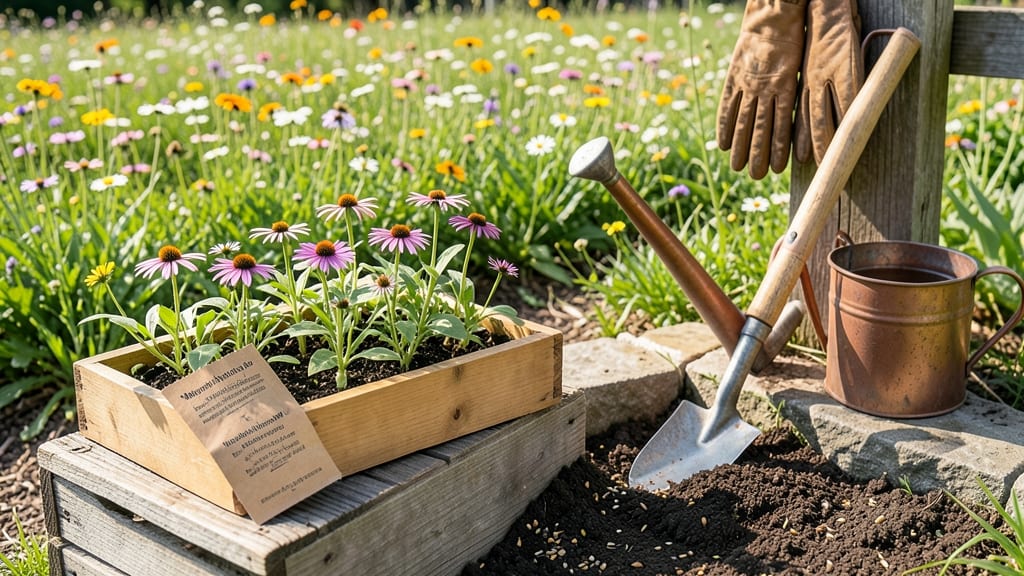
Planting wildflowers in Maryland at the right time means the difference between a vibrant meadow and a patch of dirt by next summer.
Maryland’s USDA Zones 7-8 offer the perfect climate for wildflowers to thrive—if you plant them at the right time. Timing your wildflower seeds correctly ensures vibrant blooms year after year with minimal effort, transforming your garden into a pollinator paradise.
Most gardeners know spring is the go-to season, but late summer/early fall can actually be the best time for certain species. The key is avoiding frost—whether it’s the last chill of spring or the first nip of autumn—and knowing which wildflowers love Maryland’s humidity and sun.
Below, I break down the exact planting windows for Maryland’s microclimates, from the Coastal Plain to the Appalachian foothills, plus the top five wildflowers that bloom reliably when planted at the right moment.
Best planting months for Maryland wildflowers by season
Timing your wildflower seeds in Maryland is all about understanding the USDA Zones 7-8 and the state’s three distinct seasons—spring, summer, and fall. Each season offers unique advantages for planting, from cool soil temperatures in spring to established root systems by fall.
Coastal areas like Chesapeake Bay may experience slightly earlier planting windows compared to inland Piedmont regions, where cooler nights delay germination.
For spring planting, aim for March through April once soil temperatures consistently reach 50°F (10°C). This aligns with Maryland’s average last frost date of April 15, though Zone 7a areas may need to wait until mid-April.
Fall planting, my favorite for low-maintenance success, should occur between August and early September, allowing seeds to germinate before winter dormancy.
Summer planting is trickier due to heat stress and competition from weeds, but some heat-tolerant species like Mexican sunflower can thrive if sown in late June or July.
Always prioritize native wildflowers like black-eyed Susan or purple coneflower, which are adapted to Maryland’s climate and require minimal intervention once established.
| Season | Best Planting Months | Key Conditions | Regional Adjustments |
|---|---|---|---|
| Spring | March–April | Soil temp ≥50°F (10°C), last frost passed | Zone 7a: wait until April 15; Coastal: 2 weeks earlier |
| Summer | Late June–July | Heat-tolerant species only; shade cloth recommended | Piedmont: avoid July; Appalachian: July works for high elevations |
| Fall | August–Early September | 6–8 weeks before first frost; soil temp ≤75°F (24°C) | Coastal: September 10 cutoff; Inland: September 1 |
| Winter | Not recommended | Frost kills seeds; exceptions for cold-hardy species | Zone 6a: possible late October for hardy perennials |
When planting in spring, focus on cool-season wildflowers like wild bergamot or coreopsis, which thrive in Maryland’s 50–70°F (10–21°C) soil temperatures. Lightly rake the soil to create a fine seedbed and press seeds into the top ¼ inch for optimal contact.
Mulch with straw or leaf litter to retain moisture and suppress weeds during the critical germination phase.
For summer plantings, choose heat-loving varieties such as blanket flower or Mexican sunflower, and always plant in the late afternoon to reduce seed desiccation.
Use shade cloth if temperatures exceed 90°F (32°C), and water deeply at the base of plants rather than overhead to prevent fungal diseases like powdery mildew.
Fall is my preferred season for wildflowers because it allows seeds to establish roots before winter, resulting in stronger, more resilient plants the following spring. Aim to plant 6–8 weeks before your area’s first frost, which in Maryland typically falls between November 1 and 15.
This timing ensures seeds have time to germinate and develop 2–3 inches of root growth before dormancy.
If you’re in Maryland’s Piedmont region, where nights are cooler, you can extend your fall planting window slightly later than coastal areas. For example, Annapolis may plant until September 10, while Frederick can push to September 15.
Always check local USDA frost maps or consult your county extension office for hyper-local advice—these resources are gold for gardeners.
Pro tip: Stratify seeds for fall planting by mixing them with moist sand and refrigerating for 2–4 weeks to mimic winter conditions. This breaks dormancy and boosts germination rates for native species like wild columbine or butterfly weed. Just avoid over-stratifying—4 weeks max—or you’ll risk reduced viability.
Finally, remember that Maryland’s microclimates play a huge role in success. Urban areas like Baltimore may experience heat islands that delay fall planting, while mountainous western regions like Cumberland can plant later due to cooler temperatures. Always observe your
How Maryland’s microclimates affect wildflower success
Maryland’s diverse landscapes—from the Chesapeake Bay’s coastal plains to the Appalachian foothills—create unique growing conditions that shift when to plant wildflowers for best results. These microclimates can mean a 2-3 week difference in frost dates and soil temperatures, directly impacting seed germination and plant survival.
Understanding these variations helps you time your planting perfectly for vibrant, long-lasting blooms.
For example, coastal areas like Annapolis experience milder winters and earlier springs, allowing wildflower seeds to be sown as early as mid-February. In contrast, higher elevations in Garrett County often wait until late March or April due to later frost risks.
Even within cities like Baltimore, urban heat islands can create microclimates where wildflowers thrive 1-2 weeks earlier than in surrounding rural areas.
⚠️ callout warning ⚠️
Ignoring local conditions can lead to failed germination or stunted growth. Here’s what to watch for:
- ❄️ Late frosts in inland zones (e.g., Frederick County) can kill early spring plantings.
- 🌬️ High humidity near the Bay may cause fungal issues if seeds aren’t pre-treated.
- 🏙️ Urban pollution can stress wildflowers—choose hardy natives like black-eyed Susans or coneflowers.
💡 Pro Tip:
Check your local frost dates via the Maryland Department of Agriculture or use the USDA Plant Hardiness Zone Map to adjust timing by 1-2 weeks based on elevation.
Elevation plays a critical role in Maryland’s wildflower success. For every 1,000 feet gain in altitude, temperatures drop by about 3.5°F, delaying spring planting by 7-10 days.
In Western Maryland’s mountains, aim to plant after May 1 to avoid late frosts, while Eastern Shore regions can start as early as March 15.
Soil composition also varies—sandy coastal soils dry out faster, requiring earlier, deeper watering, whereas clay-heavy Piedmont soils stay moist longer, extending the planting window.
Humidity levels further complicate timing. Areas near the Chesapeake Bay and Patuxent River have higher humidity, which can lead to damping-off disease if seeds aren’t planted at the right moisture level. In these zones, late summer (August) plantings often succeed better than spring, as the soil stays consistently moist.
Conversely, drier inland areas like Carroll County benefit from spring plantings to take advantage of natural rainfall.
Urban vs. rural differences also matter. City gardens in Baltimore or DC suburbs experience warmer microclimates due to buildings and pavement, allowing earlier spring plantings and longer fall growing seasons. However, pollution and compacted soil can stunt growth, so amend with compost and mulch before planting.
Rural areas, with their looser soils and fewer obstacles, often see more reliable germination when following standard spring or fall timelines.
To maximize success, match your wildflower species to your microclimate. For coastal gardens, try beach heather (Hudsonia tomentosa), which thrives in salty, sandy soils and tolerates high humidity. In mountainous regions, Appalachian gentian (Gentiana andrewsii) handles cooler temps and shorter growing seasons.
For urban spaces, purple coneflower (Echinacea purpurea) is drought-tolerant and pollinator-friendly, making it ideal for heat-stressed city plots.
By accounting for these microclimate factors, you’ll ensure your wildflowers bloom vibrantly and reliably, year after year. Start with a localized planting schedule, monitor soil conditions, and choose native species adapted to your zone—your garden (and pollinators!) will thank you. 🌿