
Flowers
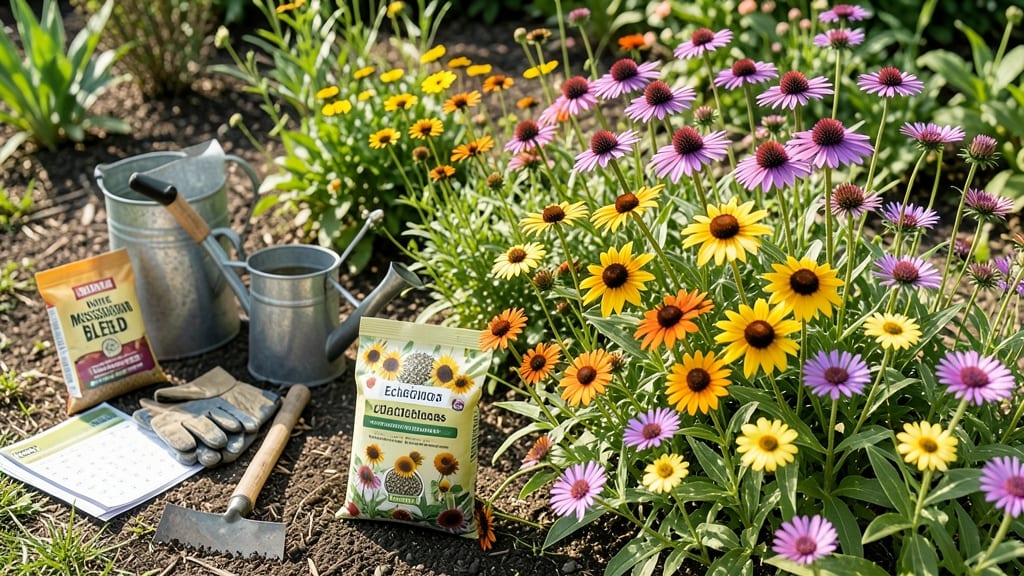
Planting wildflowers in Massachusetts at the right time means vibrant blooms by summer instead of waiting for next year’s season.
Massachusetts gardeners know that wildflowers can transform your landscape with vibrant color and low-maintenance beauty—but planting at the wrong time means waiting months for blooms. Timing is everything in USDA Zones 5-6, where frost dates and soil conditions dramatically impact success.
Spring is your best bet for annuals like cosmos and zinnias, while perennials like black-eyed Susans thrive when planted in early fall. The key is working with your local climate: coastal areas have milder winters, while inland spots need extra protection.
Below, I’ll break down the exact planting windows for your zone, plus soil prep tips and seasonal care to keep your wildflowers thriving all year.
Massachusetts wildflower planting timeline by season (Zone 5-6 guide)
Timing your wildflower planting in Massachusetts is critical for success, especially in USDA Zones 5-6, where last spring frosts can linger until mid-April in inland areas and early April near the coast.
Coastal regions like Boston and Cape Cod enjoy slightly warmer microclimates, while inland areas like Worcester or Springfield face harsher frost risks. Understanding these variations helps you choose the right planting window for annuals vs. perennials—each has distinct seasonal needs.
For perennial wildflowers, like Black-Eyed Susans or Purple Coneflowers, the best time to plant is early spring (March-April) or early fall (September-October). These hardy plants establish roots before winter dormancy, giving them a head start in Zone 5-6.
Annuals, such as Cosmos or Zinnias, thrive when sown after the last frost (mid-April to early May), but some varieties tolerate light frosts and can be planted in late spring for summer blooms.
Spring planting in Massachusetts offers two distinct windows: early spring (March-April) for cold-hardy perennials and late spring (May-June) for tender annuals. Early spring planting allows perennials like New England Aster to develop strong root systems before summer heat.
However, avoid planting annuals like Marigolds too early—they’ll rot in cold, wet soil. Instead, wait until soil temperatures consistently reach 60°F (around mid-May in most regions).
Summer planting is less common but works well for late-season bloomers like Sunflowers or Cosmos. Sow seeds in late July for fall color, ensuring they receive 6+ hours of sunlight daily.
Coastal areas benefit from slightly cooler summers, making late-summer planting more successful than inland regions. Always keep newly planted seeds well-watered during this dry season.
Fall planting is ideal for perennials and biennials, as they establish roots before winter dormancy. Aim to plant 6-8 weeks before your region’s first frost—typically late September to early October in inland areas and into early November near the coast.
Choose cold-hardy varieties like Goldenrod or Joe-Pye Weed, which thrive in Massachusetts’ Zone 5-6 winters.
Regional microclimates play a huge role in Massachusetts wildflower success. Coastal gardens (e.g., Provincetown) enjoy milder winters and later frosts, allowing for extended fall planting and earlier spring starts. In contrast, inland areas (e.g., Pittsfield) face earlier frosts, so adjust your timeline accordingly.
Always check local frost date averages—the USDA Plant Hardiness Zone Map is a great resource for fine-tuning your schedule.
One common mistake I see is planting annual wildflowers too early in spring, leading to poor germination or rot. Instead, use a soil thermometer to confirm temps are above 50°F before sowing seeds.
For perennials, fall planting is often overlooked but yields the most robust plants. Prioritize well-draining soil and full sun exposure (6+ hours daily) to maximize blooms across all seasons.
To summarize, Massachusetts wildflower planting success hinges on seasonal timing, regional adjustments, and plant type selection. Whether you’re sowing Black-Eyed Susans in spring or Cosmos in summer, aligning your schedule with local frost dates and soil conditions ensures vibrant blooms year after year.
Start with the comparison-table above as your guide, and don’t hesitate to experiment with native Massachusetts species for low-maintenance beauty.
Best wildflower species for Massachusetts planting times (cold-hardy vs. Tender)
Choosing the right wildflowers for Massachusetts means balancing frost tolerance with bloom timing. Native species like Black-Eyed Susan thrive in our USDA Zones 5-6, while tender varieties such as Cosmos need warmer soil. Let’s break down your best options by planting season and hardiness.
For cold-hardy perennials, aim for early spring planting (March-April) or fall planting (September-October). These tough natives establish roots before summer heat arrives. Tender annuals like Zinnias prefer late spring (May-June) when soil temperatures exceed 55°F.
Native Massachusetts wildflowers offer the best drought resistance and pollinator support. Top picks include:
- Purple Coneflower (Echinacea purpurea)
- New England Aster (Symphyotrichum novae-angliae)
- Wild Bergamot (Monarda fistulosa)
| Species | Planting Time | Frost Tolerance | Bloom Season | Sun Needs |
|---|---|---|---|---|
| Black-Eyed Susan | March-April or Sept-Oct | Cold-hardy perennial | Summer-Fall | Full sun |
| Purple Coneflower | March-April or Sept-Oct | Cold-hardy perennial | Summer-Fall | Full sun to part shade |
| Cosmos | May-June | Tender annual | Summer-Fall | Full sun |
| Zinnias | May-June | Tender annual | Summer-Fall | Full sun |
| New England Aster | March-April or Sept-Oct | Cold-hardy perennial | Late Summer-Fall | Full sun to part shade |
| Wild Bergamot | March-April | Cold-hardy perennial | Summer-Fall | Full sun |
Tender annuals like Cosmos and Zinnias deliver bold summer color but require warmer soil to germinate. Plant these after your last frost date (typically mid-May in most of MA). For extended blooms, succession plant every 2-3 weeks through July.
Soil prep matters most for native perennials. Amend clay-heavy MA soils with compost to improve drainage. Most wildflowers prefer well-draining soil with moderate fertility. Avoid over-fertilizing—wildflowers thrive in lean conditions that prevent weeds.
For fall planting, focus on cold-hardy species like Black-Eyed Susan or Purple Coneflower. Plant seeds 4-6 weeks before frost (late September) so roots establish before winter. Mulch lightly to protect young plants from freeze-thaw cycles.
My top recommendation for MA gardeners? Start with Purple Coneflower and Cosmos—they offer long bloom seasons, attract pollinators, and handle our variable climate with ease. Mix perennials for year-round interest and annuals for seasonal pops of color.