
Flowers
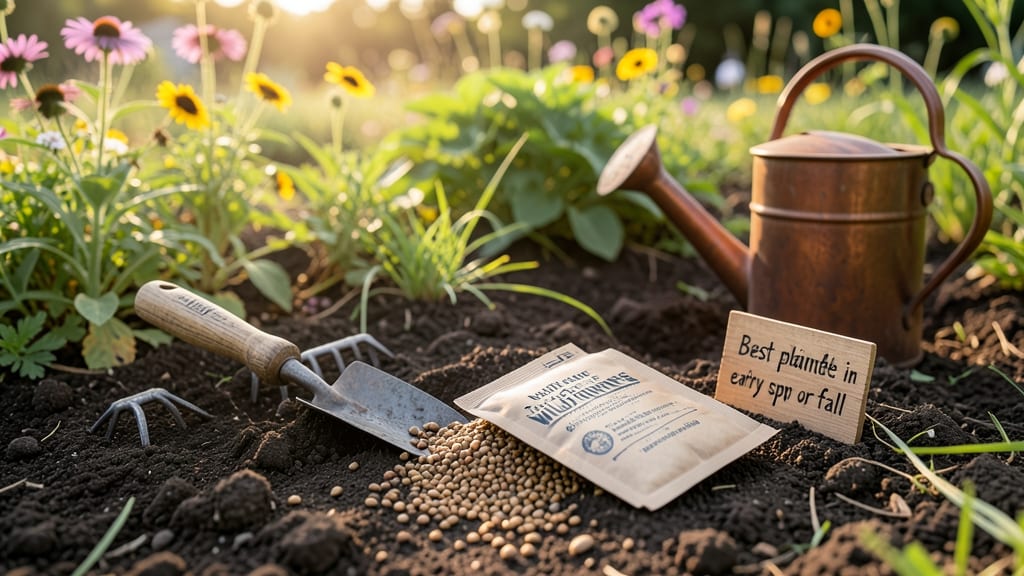
Planting wildflowers in Tennessee at the right time means year-round color—but miss the window, and you’ll end up with weeds instead of blooms.
Picture this: you’ve spent hours scattering seeds, only to watch them sprout too late in summer or freeze before spring. That’s why timing is everything in USDA Zones 7a and 7b, where a single misstep can turn your meadow into a disappointment.
In Tennessee, the best times to plant wildflowers are early spring (March–April) or early fall (September–October). These windows align with soil warmth, rainfall, and frost-free periods—giving your 🌼 seeds the perfect start.
Below, I’ll break down the exact deadlines for each season, the best native wildflowers for Tennessee, and how to prep your soil for long-lasting blooms—so you never miss another planting window again.
Best planting windows for Tennessee wildflowers by season (Zone 7a/7b guide)
Tennessee’s USDA Zones 7a and 7b offer a perfect climate for wildflowers, but timing your planting is critical. The spring and fall windows are ideal, while summer planting requires extra care. Nashville’s humid subtropical climate differs slightly from Chattanooga’s cooler Appalachian microclimate, so adjust timing accordingly.
For annual wildflowers, like cosmos and zinnias, late winter to early spring (February to March) is best. Perennial varieties, such as black-eyed Susans and coneflowers, thrive when planted in early fall (September to October). This timing allows roots to establish before winter dormancy.
Soil temperatures play a key role: aim for 50-60°F for spring planting and 60-70°F for fall. Tennessee’s rainfall patterns also matter—spring showers help germination, while fall’s drier air reduces fungal risks. Use these seasonal cues to maximize success.
Here’s a quick reference for ideal planting windows based on Tennessee’s microclimates:
| Season | Best Planting Window | Soil Temp (°F) | Rainfall Needs | Notes for TN |
|---|---|---|---|---|
| Spring | Late February - Early April | 50-60°F | Moderate (1-2" weekly) | Annuals: cosmos, zinnias. Perennials: coreopsis, bee balm. |
| Summer | Mid-June - Early July | 65-75°F | Low (drought-tolerant mixes) | Heat-loving annuals: sunflowers, marigolds. Mulch to retain moisture. |
| Fall | Late September - Early November | 60-70°F | Moderate (1" bi-weekly) | Perennials: coneflowers, black-eyed Susans. Avoid planting after first frost. |
| Winter | Not recommended | N/A | N/A | Seeds won’t germinate; focus on soil prep for spring. |
In Nashville (Zone 7b), spring planting can start as early as mid-February, while Chattanooga’s cooler Zone 7a may delay germination until late March. Always check your last frost date—typically March 15 in Nashville and April 1 in higher elevations.
For continuous blooms, combine spring and fall plantings. For example, sow annuals in March for summer color, then add perennials in September for fall and next year’s blooms. This layered approach ensures your meadow stays vibrant year-round.
Prepare your soil by loosening the top 6 inches and mixing in compost. Avoid planting too deep—most wildflower seeds need light to germinate. In clay-heavy soils (common in Middle Tennessee), amend with sand or peat moss to improve drainage.
Watering is critical in the first 4-6 weeks after planting. Aim for 1 inch of water weekly, delivered in the morning to reduce fungal risks. Once established, Tennessee wildflowers are drought-tolerant, making them low-maintenance once rooted.
Pro tip: Use native seed mixes like purple coneflower or butterfly milkweed to attract pollinators. These species thrive in Tennessee’s humid climate and require minimal care once planted at the right time.
By following these seasonal guidelines, you’ll transform your Tennessee landscape into a blooming paradise with minimal effort. Happy planting! 🌼
How to extend your wildflower season: fall planting strategies for winter interest
Fall planting is my secret weapon for a year-round wildflower display in Tennessee’s USDA Zones 7a/7b. While spring gets all the attention, late September to early November is when I plant cold-hardy species like black-eyed Susans and coneflowers.
These perennials establish roots before winter, then burst into vibrant blooms when spring arrives—giving you a head start on color.
Tennessee’s unpredictable freezes can catch spring plantings off guard, but fall-planted wildflowers develop deep root systems that withstand our chilly winters. Plus, you’ll avoid competing with weeds and summer heat stress. The key? Timing, soil prep, and smart seed selection—all tailored to our region’s microclimates.
🌱 Step-by-Step Fall Wildflower Planting Guide
- 📅 Choose Your Window: Plant between September 20–October 15 for best results. In Zone 7a, aim for late September; in Zone 7b, extend to early November before first frost.
- 🌿 Prepare the Soil: Loosen top 6 inches of soil and mix in 2–3 inches of compost. Test pH—most Tennessee wildflowers thrive in 6.0–7.0. Avoid heavy clay by amending with sand or peat moss if needed.
- 🌻 Select Your Seeds: Opt for native Tennessee mixes like purple coneflower, black-eyed Susan, or butterfly milkweed. For winter interest, include cold-hardy annuals like larkspur or sweet alyssum for early spring blooms.
- 🌱 Sow the Seeds: Scatter seeds thinly (no need to cover deeply—just press into soil). For larger areas, use a seed spreader. Water gently to settle seeds into the soil.
- 💧 Water Consistently: Keep soil moist but not soggy for 4–6 weeks post-planting. Use a drip irrigation system or soaker hose to avoid disturbing seedlings. Reduce watering as temperatures drop.
- 🛡️ Protect from Freezes: If an early frost threatens, cover seedlings with lightweight row fabric. Remove fabric during the day to prevent overheating. Most wildflowers survive 20°F, but young plants need extra care.
- 📋 Post-Planting Checklist:
- ✅ Mark planting areas to avoid disturbing next spring
- ✅ Mulch lightly with straw to retain moisture
- ✅ Monitor for pests like slugs or rabbits in early fall
- ✅ Plan for minimal spring maintenance—no need to thin!
One of my favorite fall-planted wildflowers is Echinacea (purple coneflower), which blooms from June to October and attracts pollinators year-round. Another winner is Rudbeckia hirta (black-eyed Susan), which thrives in poor soil and offers late-season color when many gardens fade.
Don’t overlook winter interest plants like sedum or ornamental grasses, which add texture to your meadow even when wildflowers are dormant. These low-maintenance perennials pair perfectly with fall-sown seeds and reduce the need for spring planting.
Pro tip: If you’re in East Tennessee’s higher elevations (like Zone 6b), push planting to late August to avoid early frosts. In West Tennessee’s warmer microclimates, you can extend sowing to mid-November—just be prepared for winter rains that may require drainage adjustments.
With these strategies, your wildflower meadow will bloom earlier, last longer, and require less spring work. Plus, you’ll enjoy the satisfaction of winter-prepped gardens ready to shine by spring! 🌸