
Planting
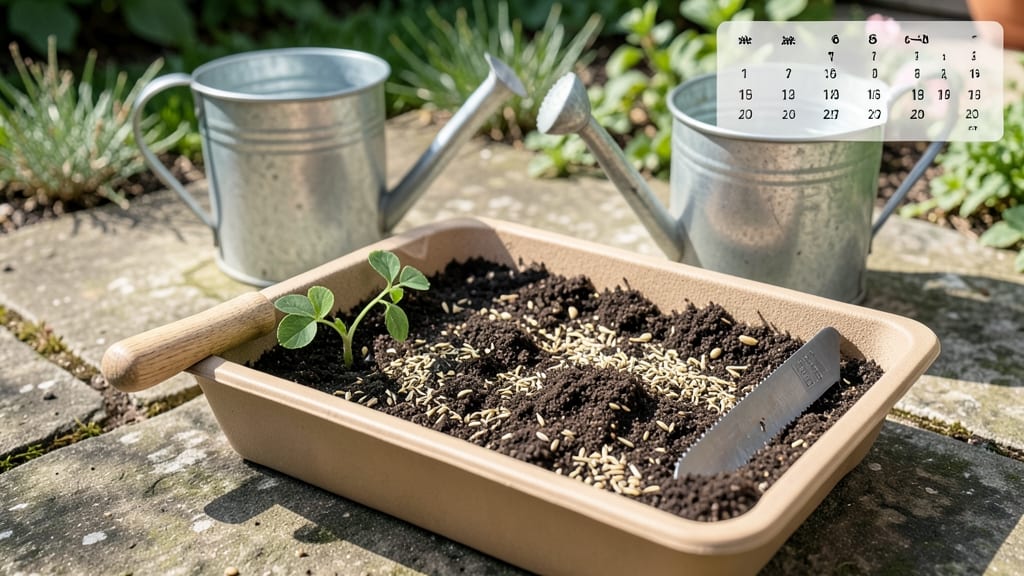
Sowing wildflower seeds in Zone 6 at the right time ensures vibrant blooms and thriving pollinators 🌼 — aim for early spring or late summer for best results.
You’ve probably seen those wildflower meadows bursting with color, only to wonder why yours never quite lives up to the dream. The secret? Timing. Plant too early, and frost zaps your seeds.
Too late, and drought or heat stunts their growth. In Zone 6, the ideal windows are narrow but packed with potential.
Spring sowing in March or April gives wildflowers a head start before summer’s heat, while fall planting in August or September lets them establish roots before winter. Both strategies work, but each has its own tricks—like adjusting for soil moisture or choosing the right seed mix for your climate.
Below, I’ll break down the exact months to sow, how to prep your soil, and which wildflower varieties perform best in Zone 6. You’ll leave here with a clear plan to turn your garden into a pollinator paradise.
Best months to sow wildflower seeds in Zone 6 for year-round blooms
In Zone 6, timing your wildflower seeds correctly ensures vibrant blooms from spring through fall. The ideal sowing windows are spring and fall, but understanding your local frost dates and moisture levels is key.
I’ve planted wildflowers for years in this zone, and these months consistently deliver the best results.
Spring sowing in March through May gives seeds time to germinate before summer heat arrives. Fall planting in August to September takes advantage of cooler temperatures and winter moisture. Both methods work, but each has unique benefits depending on your climate variations.
| Sowing Window | Best Months | Key Considerations | Adjustments for Zone 6 |
|---|---|---|---|
| Spring | March-May | Warm soil, consistent moisture | Avoid sowing before last frost (mid-April) |
| Fall | August-September | Cooler temps, natural winter watering | Plant 6-8 weeks before first frost (mid-October) |
| Late Spring | June-July | Quick germination, summer blooms | Use shade cloth if temps exceed 85°F |
For spring planting, aim to sow seeds when soil temperatures reach 50-60°F. This typically happens in late March to early April in most of Zone 6. If you’re in a cooler microclimate, wait until mid-April to avoid frost damage.
I’ve seen seeds fail when planted too early because the soil stays too cold for germination.
Fall planting is my favorite method because it reduces competition from weeds and ensures seeds get natural winter moisture. Sow seeds in late August or early September so they germinate before the ground freezes. This timing also helps establish roots before winter, giving you a head start in spring.
If you experience drought conditions, adjust your sowing schedule. Plant in spring or early fall when rainfall is more predictable. In dry years, I’ve had better success with fall sowing because winter rains often provide the moisture seeds need to sprout.
For year-round blooms, consider succession planting. Sow a mix of spring and fall varieties, like cosmos for summer and black-eyed Susan for late summer.
This ensures continuous color from May through October. I’ve used this strategy in my garden, and it’s made a huge difference in bloom duration.
Always check your local frost dates before planting. In some parts of Zone 6, frosts can occur as late as May 10 or as early as October 15. Adjust your timing accordingly—planting too early in spring or too late in fall can lead to seed failure.
After sowing, keep the soil consistently moist but not soggy. Wildflower seeds need light to germinate, so avoid burying them deeply. A light raking or pressing into the soil is all you need. Mulch lightly with straw to retain moisture and protect seeds from drying out.
With the right timing and care, your Zone 6 wildflowers will reward you with vibrant blooms that attract pollinators all season long. Whether you choose spring or fall sowing, these exact months will set you up for success. Happy planting! 🌼
How to prepare your Zone 6 soil and site for wildflower seed success
Before scattering wildflower seeds, your Zone 6 soil and site need careful prep to ensure strong germination and long-term growth. Wildflowers thrive in well-draining, nutrient-rich soil with minimal competition. Start by clearing weeds and debris from your chosen area—this gives seeds direct contact with the soil and prevents suffocation.
Next, assess your site’s sun exposure. Most wildflowers need 6+ hours of sunlight daily, though some tolerate partial shade. Mark your garden’s sunniest spots with stakes or flags to avoid planting in shady corners where blooms may struggle.
If your soil feels compacted, loosen the top 2-3 inches with a rake or tiller to improve aeration.
⚠️ callout-warning ⚠️
Seeds planted too late may not establish roots before first frost (mid-October), leading to poor survival. For fall sowing, aim for August to give plants 6-8 weeks of growth before winter. Spring sowing should start by March to avoid spring drought stress.
🌱 Pro Tip: Test soil moisture before sowing—dry soil in spring or fall can delay germination.
Soil testing is critical. Wildflowers prefer a slightly acidic to neutral pH (6.0-7.0). Grab a DIY soil test kit (available at garden centers) or send a sample to your local extension office.
If your soil is too alkaline, amend it with compost or peat moss to lower pH gradually. Avoid heavy fertilizers—wildflowers need low-nutrient conditions to thrive naturally.
For native seed mixes, skip synthetic fertilizers entirely. Instead, mix in compost or aged manure (1-2 inches) to boost organic matter without overwhelming seedlings. Annual wildflowers like cosmos or zinnias benefit from a light compost top-dressing, while perennials such as black-eyed Susans prefer minimal amendments.
Rake the compost into the topsoil gently to avoid burying seeds too deep.
Finally, consider mulching lightly with straw or shredded leaves after sowing. This retains moisture and regulates soil temperature, especially in Zone 6’s variable spring/fall weather. Avoid thick mulch layers—wildflower seeds need light to germinate, and too much mulch can smother them.
Water deeply but infrequently to encourage deep root growth, aiming for 1 inch of water per week.
With these steps, your Zone 6 wildflower meadow will establish quickly and bloom vigorously for years. The key is patience—wildflowers often take 2-3 years to reach their full potential, but the pollinators will thank you from day one! 🌻