
Flowers
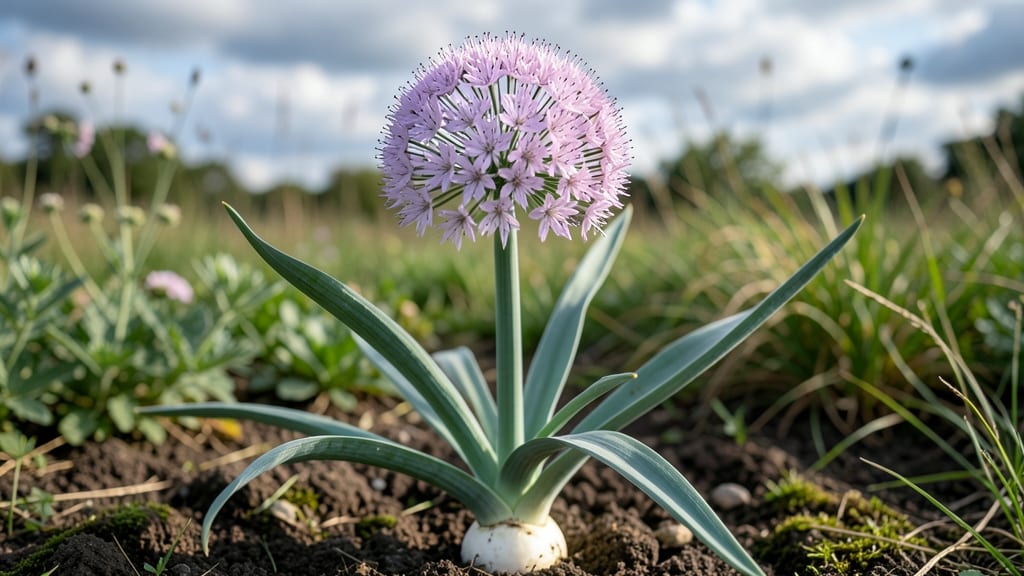
Wild leek flowers bring a delicate, edible charm to gardens and plates alike 🌿 — their star-shaped blooms are as beautiful as they are flavorful.
Imagine plucking vibrant, edible flowers straight from your garden—only to discover they’re not just beautiful but packed with flavor too. Wild leek flowers (Allium tricoccum) are nature’s hidden gem, transforming both your landscape and your kitchen with their delicate allium charm.
These rustic yet refined blooms thrive in partial shade, making them perfect for woodland gardens, wildflower meadows, or even as a striking border. Their soft pink or white clusters appear in late spring, just as other flowers fade, giving your garden a second burst of color.
Beyond their visual appeal, wild leek flowers are edible and add a mild, onion-like flavor to salads, garnishes, and infused oils. Below, I’ll show you how to grow them, harvest their blooms, and weave them into both garden designs and culinary creations for a truly magical experience.
How to grow and harvest wild leek flowers for maximum beauty and flavor
Wild leek flowers (Allium tricoccum), also called ramps, are a forgotten garden treasure that combine culinary magic with striking visual appeal. Their delicate, star-shaped blooms emerge in late spring and transform your garden into a fragrant, edible paradise.
Unlike their pungent leaves, these flowers offer a subtle onion-garlic flavor perfect for garnishes and infusions. The key to growing them successfully lies in mimicking their natural woodland habitat while ensuring they thrive in your garden’s conditions.
Whether you’re cultivating wild leeks for their ornamental value or to harvest their edible blooms, understanding their unique needs is essential. These perennials prefer moist, humus-rich soil and partial shade, making them ideal for understory plantings or woodland gardens.
With the right approach, you can enjoy vibrant purple-pink flowers that attract pollinators while adding a gourmet touch to your garden. Let’s dive into the step-by-step process to grow and harvest them like a pro.
Step-by-Step Guide to Growing Wild Leek Flowers
- 1 Choose the Right Location: Select a spot with partial shade (3-6 hours of sun) and moist, well-draining soil. Avoid areas with heavy foot traffic or disturbed soil.
- 2 Prepare the Soil: Amend the soil with compost or leaf mold to improve drainage and fertility. Wild leeks thrive in acidic to neutral pH (6.0-7.0). Test your soil and adjust with lime or sulfur if needed.
- 3 Plant in Early Spring: Divide mature clumps or sow seeds in March-April, after the last frost. Space plants 6-12 inches apart to allow for natural spreading.
- 4 Water Consistently: Keep soil moist but not soggy, especially during dry spells. Mulch with organic matter (like wood chips) to retain moisture and suppress weeds.
- 5 Fertilize Lightly: Apply a balanced fertilizer (10-10-10) in early spring and again after flowering. Avoid over-fertilizing, as it can reduce flower production and flavor intensity.
- 6 Monitor for Pests: Watch for deer, slugs, and aphids. Use organic pest control, like neem oil or diatomaceous earth, to protect your plants without harming pollinators.
Wild leek flowers typically bloom in late spring to early summer, depending on your climate. The flowers emerge on sturdy stems and can reach 1-2 feet tall, making them a showstopper in cottage gardens.
To ensure your plants produce healthy blooms year after year, avoid harvesting more than 20-30% of the flowers in any given season. This preserves the plant’s energy for future growth and flowering.
When harvesting, use clean, sharp scissors to snip the flower stems just above a leaf node. This encourages the plant to produce more foliage and flowers in subsequent seasons. Always harvest in the morning after dew has dried to preserve the delicate petals and their subtle floral aroma.
Store harvested flowers in a paper bag in the refrigerator for up to 3-5 days to maintain freshness.
For long-term propagation, divide mature clumps every 3-4 years in early spring or fall. Simply dig up the plant, separate the rhizomes, and replant them in prepared soil.
This method ensures your wild leeks remain vigorous and productive for decades. Just be patient—wild leeks are slow to establish but reward gardeners with years of beauty and flavor.
Incorporate wild leek flowers into woodland garden borders or pair them with hostas, ferns, and astilbes for a naturalistic, layered look. Their fragrant blooms also attract bees and butterflies, adding ecological value to your garden.
With these steps, you’ll enjoy a bountiful harvest of edible flowers that elevate both your garden’s aesthetics and your culinary creations.
Remember, the key to successful wild leek cultivation is patience and attention to their natural habitat. By providing the right
Culinary uses and nutritional benefits of wild leek flowers
Wild leek flowers (Allium tricoccum) offer a delicate, mild onion-garlic flavor that elevates dishes with their subtle allium notes. Unlike their pungent bulb counterparts, these blooms provide a subtle floral touch that pairs beautifully with both savory and sweet preparations.
Their tender petals can be used fresh or preserved, making them a versatile addition to any edible garden harvest.
Beyond their culinary appeal, these flowers pack nutritional benefits including vitamin C, antioxidants, and anti-inflammatory compounds. Studies suggest their high sulfur content supports immune function, while their low calorie profile makes them ideal for health-conscious cooking.
Compared to garlic or onion flowers, wild leeks offer a gentler, more aromatic experience with fewer digestive sensitivities.
- ✨ Salad Garnishes: Toss petals into spring salads for a crisp, floral crunch—pairs perfectly with peas, mint, and goat cheese.
- 🍯 Flower Preserves: Infuse honey or vinegar with blooms for floral-infused condiments—ideal for drizzling over cheese boards or grilled fish.
- 🧂 Infused Oils: Steep petals in olive oil for 3-5 days to create a mildly garlicky oil perfect for drizzling on pasta or roasted vegetables.
- 🍽️ Decorative Plating: Use whole blooms as edible garnishes for soups, risottos, or herb-butter dishes—adds a whimsical, restaurant-worthy touch.
- 🌿 Tea Blends: Dry petals and steep in hot water for a caffeine-free, immune-boosting tea—complements chamomile or peppermint.
For best results, harvest flowers in the morning when their flavor is most concentrated. Avoid overhandling to preserve their delicate texture, and store them in the fridge for up to 3 days or freeze dried petals for later use.
Their short bloom season (May-June) means acting quickly—preserve extras by drying or freezing to extend their shelf life.
Wild leek flowers also brighten dishes visually with their pale pink to white blooms, creating a natural, rustic aesthetic that’s perfect for farm-to-table presentations. Their versatility makes them a favorite among chefs and home gardeners alike—whether used as a subtle seasoning or a showstopping garnish.
Start experimenting with them this season and let your garden’s edible blooms take center stage!
Pro tip: Pair their mild allium flavor with citrus, herbs like dill, or creamy elements (like ricotta) to highlight their unique profile. Their low heat requirement also makes them ideal for raw preparations, where their natural sweetness** shines.