
Flowers
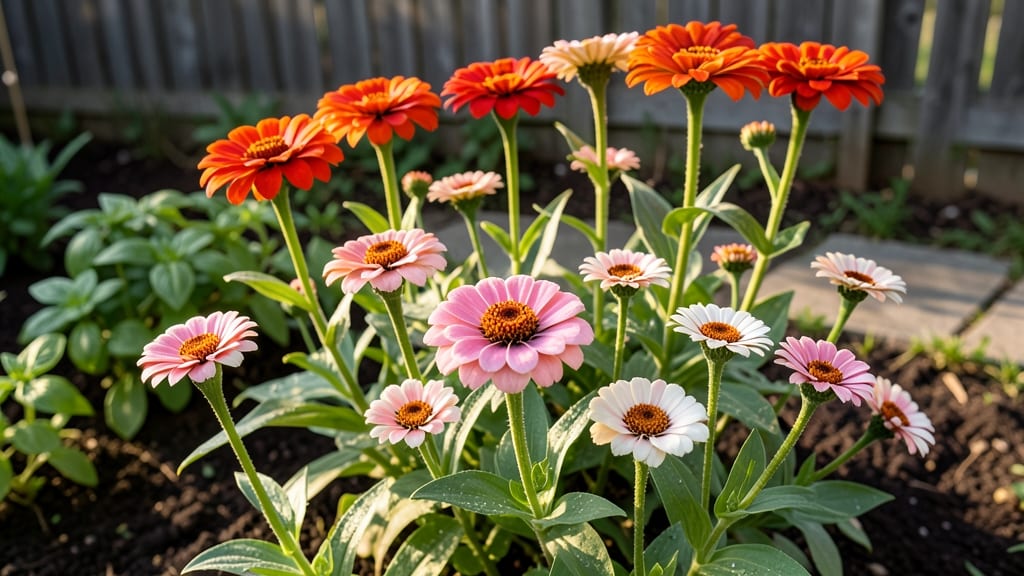
Zinnia flower height can range from 6 inches to over 5 feet, turning your garden into a vertical rainbow of color with the right choices.
If you love vibrant blooms but struggle with space or overgrowth, understanding zinnia flower height is your secret weapon—these cheerful 🌼 flowers come in sizes from tiny 6-inch dwarfs to towering 5-foot giants, each with unique care needs.
Whether you’re dreaming of a container garden or a dramatic backyard border, picking the right variety—and knowing how to guide its growth—makes all the difference. Too much space? Pinch those stems. Not enough height? Try a trellis. The key is matching the plant to your vision.
In this guide, I’ll break down the best dwarf, medium, and tall zinnias for your space, plus proven tricks to control height naturally—so you get the perfect blooming backdrop without the guesswork.

Zinnia height varieties: from dwarf to giant (with exact measurements)
Zinnias are one of the most versatile annual flowers, offering height variations that can transform your garden from a delicate cottage border to a bold, towering display. Whether you're working with small containers or need dramatic cut flowers for arrangements, choosing the right zinnia height variety makes all the difference.
I’ve grown everything from 6-inch dwarfs to 5-foot giants, and each brings its own charm to the garden.
Taller zinnias often need support structures like stakes or trellises, while dwarf varieties thrive in window boxes and hanging baskets. The key is matching the variety to your space and purpose—whether it’s border planting, cut flower production, or container gardening.
Let’s explore the exact measurements and best uses for each type.
| Variety | Height Range | Best Uses | Growth Habit |
|---|---|---|---|
| Thumbelina Series | 6–12 inches | Containers, window boxes | Compact, bushy |
| Crystal Series | 12–18 inches | Borders, edging | Semi-dwarf, upright |
| Benary’s Giant | 24–36 inches | Cut flowers, bouquets | Tall, sturdy stems |
| State Fair | 30–48 inches | Back of borders, cut flowers | Leggy, needs support |
| Profusion Series | 12–24 inches | Mass planting, containers | Bushy, continuous blooms |
| Peach Dazzler | 36–48 inches | Cut flowers, tall arrangements | Tall, leggy |
| Little Goblin | 10–18 inches | Fairy gardens, small spaces | Dwarf, spreading |
| Zahara Series | 24–36 inches | Cut flowers, mixed borders | Medium height, sturdy |
| Envy | 48–60 inches | Backdrop plants, cut flowers | Very tall, needs staking |
| Persian Carpet | 18–24 inches | Mass planting, borders | Bushy, spreading |
| Magellan Series | 48–72 inches | Cut flowers, tall arrangements | Extremely tall, sturdy |
For container gardening, I recommend dwarf varieties like Thumbelina Series (6–12 inches) or Little Goblin (10–18 inches). These thrive in 5-gallon pots or hanging baskets with minimal care. Their compact growth habit makes them perfect for patios and balconies where space is limited.
I’ve seen them spill over edges beautifully, creating a cascading effect that’s hard to resist.
If you’re growing zinnias for cut flowers, taller varieties like Benary’s Giant (24–36 inches) or Magellan Series (48–72 inches) are my top picks. These varieties produce long stems with durable blooms that hold up well in arrangements.
For the best results, I always harvest in the morning when the stems are fully hydrated and the buds are just beginning to open. This ensures longer vase life and vibrant color.
For border planting, medium-height varieties like Profusion Series (12–24 inches) or Zahara Series (24–36 inches) strike the perfect balance. They create a lush, continuous bloom that fills gaps beautifully. I plant them in groups of 5–7 for a full, textured look.
Their upright growth habit also makes them ideal for mixed borders where they can complement both shorter and taller plants.
Taller zinnias like State Fair (30–48 inches) and
How to control zinnia height naturally (pruning, pinching & support methods)
Zinnias are stunning but can quickly outgrow their space if left unchecked. Whether you have towering giants or compact varieties, natural height control keeps them healthy and visually balanced.
The key lies in timing, technique, and support systems—all without harsh chemicals. Let’s explore how to manage their height like a pro.
Most gardeners focus on pruning, but pinching and support methods play equally important roles. For example, tall zinnias like 'Benary’s Giant' need staking, while dwarf varieties like 'Thumbelina' benefit from regular pinching to encourage bushiness. Understanding these methods ensures your zinnias stay within your desired height limits while maximizing blooms.
Step-by-Step Guide to Controlling Zinnia Height
- 🌱 Step 1: Pinch Early
- ✂️ Step 2: Prune Regularly
- 🪴 Step 3: Use Support Structures
- 💧 Step 4: Monitor Watering
- ☀️ Step 5: Optimize Sunlight
When zinnias are 6-8 inches tall, pinch off the top set of leaves using clean pruners or fingers. This encourages side shoots, creating a bushier plant with more blooms and controlled height.
After flowering, cut back spent blooms to just above a set of leaves. This redirects energy to new growth and prevents legginess. For tall varieties, prune 1/3 of the stem to promote compactness.
For tall zinnias (3-5 feet), install bamboo stakes or tomato cages at planting. Secure stems with soft ties to prevent flopping. For containers, use mini trellises to guide vertical growth.
Overwatering or underwatering can cause uneven growth. Water at the base in the morning to keep stems sturdy. Avoid wetting foliage to prevent fungal issues that weaken plants.
Zinnias thrive in full sun (6+ hours). If grown in partial shade, they’ll stretch toward light, becoming leggy. Use reflective mulch to maximize light exposure for compact growth.
Another natural trick is using organic growth regulators like compost tea or seaweed extract. These gentle solutions promote balanced growth without stunting your zinnias. Apply every 2-3 weeks during the growing season for best results. Always dilute according to package instructions to avoid over-fertilizing.
For container-grown zinnias, choose compact varieties like 'Crystal' or 'Profusion' to save space. If your zinnias still outgrow their pots, prune aggressively and transplant into larger containers. Remember, root-bound plants grow taller but produce fewer blooms.
With these techniques, you’ll enjoy neat, manageable zinnias that fit your garden’s vision—whether you prefer tall backdrops or bushy borders. Happy gardening! 🌼