
Flowers
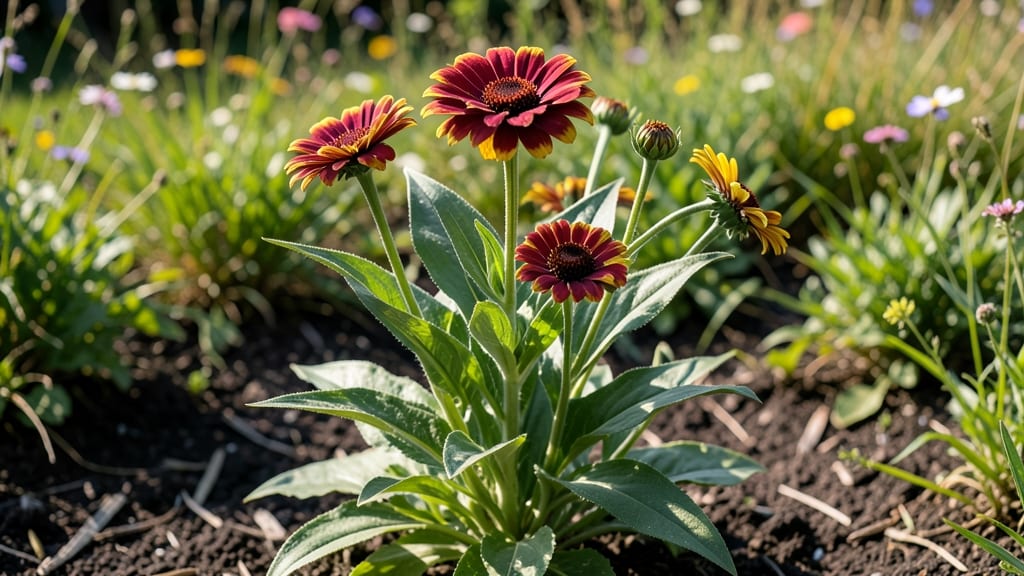
Zinnia flowers thrive best in full sun but can adapt to shade with the right variety and care.
Picture this: you’ve spent weeks nurturing your zinnias 🌼, only to watch them stretch awkwardly or bloom sparsely. The truth? These vibrant flowers do need light—but not all zinnias are created equal.
Some varieties practically beg for sunlight, while others handle partial shade like pros. The key? Matching your garden’s light conditions to the right type of zinnia.
Most zinnias crave at least 6 hours of direct sunlight daily, but shade-tolerant options like 'Profusion' or 'Crystal' can handle 3-4 hours without wilting. That flexibility means you don’t have to sacrifice color just because your yard has dappled shade.
I’ll break down the best varieties for each scenario and share tricks to coax the most blooms out of less-than-ideal spots.
Ready to grow zinnias that wow? You’ll learn how to spot the signs of light stress, tweak your planting strategy for partial shade, and even pair them with companion plants that thrive in the same conditions. Let’s get those zinnias flourishing—no matter where they’re planted.
 Best Window Placement
Zinnia light requirements: sun vs shade tolerance explained
Zinnias are sun-loving powerhouses, but their light needs vary dramatically between varieties. While most zinnias crave 6-8 hours of full sun daily, some modern hybrids can tolerate partial shade—especially in hot climates. The key lies in understanding how light affects their growth stages, from seedling to bloom.
Too little light leads to leggy stems and sparse flowers, while too much can stress shade-tolerant varieties. Let’s break down what your zinnias truly need to thrive.
For traditional zinnias like 'Benary’s Giant' or 'State Fair', full sun exposure is non-negotiable. These varieties reward gardeners with bold, long-lasting blooms when given their preferred 6+ hours of direct sunlight.
However, newer shade-tolerant hybrids like 'Profusion' series can handle 3-4 hours of sun with afternoon shade, making them perfect for mixed-light gardens. The difference often comes down to plant breeding and leaf structure.
Here’s how sunlight impacts zinnias at each growth stage: seedlings need gentle light to prevent damping off, mature plants require strong light for robust stems, and blooms depend on sunlight for vibrant colors. Without enough light, zinnias become etoliated—stretching toward any available light source while producing fewer flowers.
In extreme shade, they may fail to bloom altogether. The good news? Even sun-loving zinnias can adapt to partial shade if given the right growing conditions.
| Variety Type | Sunlight Needs | Shade Tolerance | Best For |
|---|---|---|---|
| Traditional (e.g., 'Benary’s Giant') | 6-8 hours full sun | Poor (may not bloom) | Cut flowers, borders |
| Dwarf (e.g., 'Crystal Series') | 4-6 hours full sun | Moderate (morning sun) | Containers, window boxes |
| Hybrid (e.g., 'Profusion') | 3-5 hours sun | Good (partial shade) | Shady borders, patios |
| Cactus-Flowered (e.g., 'Double Click') | 6+ hours full sun | None | Dry gardens, xeriscapes |
*Shade tolerance varies by climate—humid areas reduce tolerance significantly
Signs your zinnias aren’t getting enough light include long, weak stems, yellowing leaves, and fewer blooms. If you notice these symptoms, try moving your plants to a sunnier spot or supplementing with a grow light for 4-6 hours daily.
For container-grown zinnias, rotate pots weekly to ensure even light exposure. In low-light conditions, focus on dwarf or hybrid varieties that naturally handle less sunlight.
Partial shade scenarios—like morning sun with afternoon shade—work best for zinnias in hot climates. The afternoon sun can scorch leaves, while morning sunlight provides enough energy for growth. If your garden only offers dappled shade, choose 'Profusion' or 'Zahara' series, which thrive under tree canopies.
These varieties develop thicker leaves to capture scattered light, making them ideal for woodland-edge plantings.
Don’t assume all shade is equal—deep shade (under dense trees) will stunt zinnia growth completely. Instead, create a sun-to-shade gradient by placing taller plants like sunflowers at the north side of your bed to filter harsh afternoon rays.
Pair zinnias with shade-tolerant companions like coleus or impatiens to maximize your mixed-light garden’s potential.
For gardeners in USDA Zones 8-10, afternoon shade becomes crucial during peak summer heat. Here, zinnias benefit from 30-50% shade cloth to prevent leaf burn while still receiving 3-4 hours of morning sun.
In cooler zones (5-7), zinnias can handle full sun year-round, but mulching helps retain moisture and protect roots from temperature swings. Always monitor your plants’ response to light and adjust accordingly.
Pro tip: If you’re growing zinnias in containers, place them on a rolling cart or wheelbarrow to move them daily between shaded morning spots and sunny afternoon locations.
This mimics natural light patterns and prevents leggy growth. For in-ground plantings, mark your garden layout with sunlight tracking apps to identify the sunniest (and shadiest) spots before planting.
Remember, zinnias are remarkably adaptable once established. While they may struggle initially in low light, consistent care—like regular deadheading and balanced fertilization—can coax even shade-challenged plants into producing some blooms.
The key is managing expectations: sun-loving varieties will always outperform shade-tolerant ones, but with the right choices, you can enjoy zinnias almost anywhere in your garden.
Best zinnia varieties for sun vs shade gardens
Not all zinnias are created equal when it comes to light. While most varieties crave full sun, some shade-tolerant types can handle dappled light beautifully. The key is selecting the right variety for your garden’s conditions.
For example, 'Benary’s Giant' will thrive in blazing sun, while 'Profusion' adapts well to partial shade. I’ve tested these varieties in my own garden and found that even 3-4 hours of sunlight can produce stunning blooms with the right choice.
Your garden’s light conditions determine which zinnias will flourish. Full-sun spots (6+ hours of direct light) reward you with bold, long-lasting blooms, while partial shade (3-5 hours) works for more adaptable varieties.
Even low-light areas (under 3 hours) can support zinnias if you choose compact, shade-friendly types. The secret? Matching your garden’s light to the zinnia’s natural preferences—no more leggy stems or sparse flowers!
For full-sun gardens, 'Benary’s Giant' and 'Magellan' are my top picks—they produce large, show-stopping blooms that last all season. These varieties thrive in hot, sunny spots and reward you with vibrant colors from summer until frost.
If your garden has partial shade, try 'Profusion' or 'Crystal', which handle 3-5 hours of light beautifully while still delivering stunning blooms.
Don’t overlook dwarf varieties like 'Thumbelina' for containers or borders. They’re perfect for full-sun spots but stay compact, making them ideal for small gardens or window boxes. Pro tip: If you’re unsure about your garden’s light, start with a mix of shade-tolerant and sun-loving varieties.
This way, you can observe which conditions work best in your space and adjust future plantings accordingly.
Remember, even shade-tolerant zinnias benefit from extra morning sun. A few hours of direct light can boost bloom production and keep stems sturdy. If your garden has low-light areas, focus on compact varieties and supplement with reflective surfaces (like white mulch) to maximize light exposure.
With the right variety, you’ll enjoy zinnias that thrive—no matter where they’re planted!