
Blooming
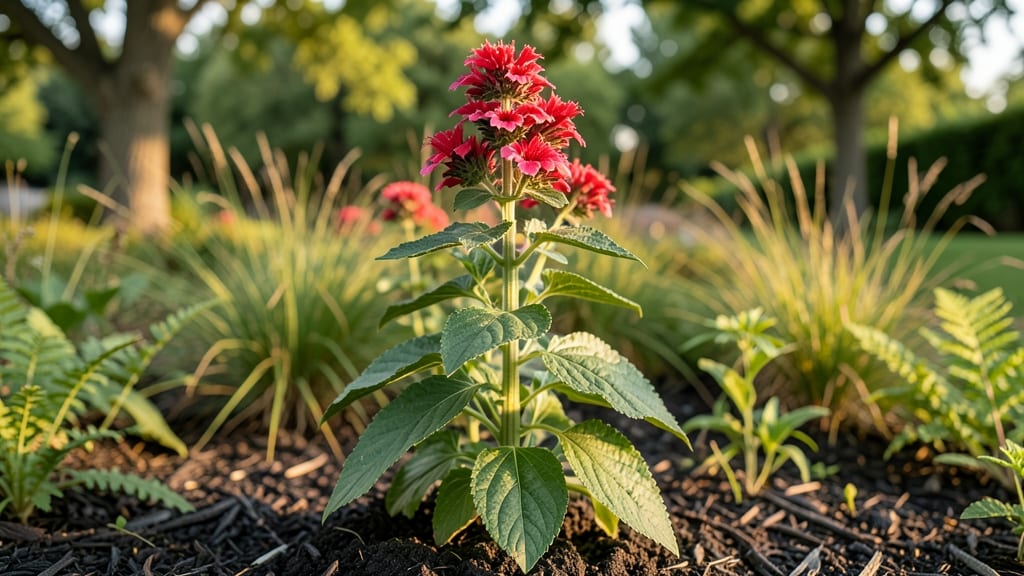
The bee balm flowering time transforms your garden into a lively, buzzing paradise from mid-summer through early fall 🐝, filling it with vibrant color and life.
If you're eager to attract pollinators and add vibrant color to your garden, timing your bee balm planting just right ensures months of stunning blooms—but when exactly should you expect those flowers to appear?
The answer depends on the variety and your USDA zone, but most types like 'Jacob Cline' or 'Hemlock' hit their peak in July and August, with some late bloomers lasting into September.
Discover how sunlight, soil, and pruning can extend your blooms, plus the best companion plants to pair with bee balm for a show-stopping seasonal display.
When does bee balm flower: month-by-month blooming schedule by popular varieties
Bee balm (Monarda spp.) is a pollinator magnet with its vibrant blooms, but the exact flowering time varies dramatically between varieties. Whether you're growing the classic 'Jacob Cline' or the striking 'Fireworks' series, understanding these monthly timelines helps you plan your garden for maximum impact.
Most varieties thrive in USDA zones 4-9, but regional climate shifts can adjust bloom windows by 2-4 weeks.
In my experience, early-season varieties like 'Hemlock' often kick off blooms in late June, while late-season types such as 'Marshall's Delight' may not peak until mid-September.
The key to extending these blooms lies in proper deadheading and soil moisture—more on that later! Let’s break down the month-by-month schedule for the most popular varieties.
📅 Pro Tip: Plant bee balm in spring (April-May) for established roots before summer heat, but if you're in warmer zones (8-9), fall planting can yield earlier blooms the following year.
| Variety | Early Bloom | Peak Bloom | Late Bloom | Notes |
|---|---|---|---|---|
| 'Jacob Cline' | Late June | July-August | Early September | Classic red blooms; heat-tolerant |
| 'Hemlock' | Early July | July-August | Late August | Fragrant lavender blooms; attracts hummingbirds |
| 'Fireworks' | Mid-July | August | Early September | Multi-colored blooms; great for borders |
| 'Marshall's Delight' | Late July | August-September | Mid-September | Pink blooms; late-season favorite |
| 'Croftway Pink' | Early July | July-August | Early September | Disease-resistant; soft pink flowers |
For gardeners in cooler zones (4-6), expect blooms to start 2-3 weeks later than the table suggests. For example, 'Jacob Cline' in Zone 5 might not peak until mid-August instead of July.
Conversely, in warmer zones (8-9), some varieties like 'Fireworks' can bloom as early as June if planted in fall.
Regional adjustments also depend on microclimates. If your garden sits in a sunken area or near a body of water, humidity may delay blooms by a week. Conversely, elevated or windy spots can push flowers to open earlier. Always monitor your plants and adjust care accordingly!
🌿 Key Factor: Soil moisture is critical during bud formation (May-June). Overwatering can cause powdery mildew, while drought stress may stunt blooms. Aim for 1-1.5 inches of water weekly, adjusting for rainfall.
In my Zone 7 garden, I’ve found that deadheading spent blooms every 7-10 days extends the flowering season by 3-4 weeks. Simply snip off faded flowers just above a set of leaves to encourage new growth.
This works especially well for 'Hemlock' and 'Croftway Pink', which respond vigorously to this pruning.
For a continuous bloom display, mix early, mid, and late-season varieties. For instance, pair 'Hemlock' (early) with 'Fireworks' (mid) and 'Marshall's Delight' (late) to ensure color from July through September. This strategy also supports pollinators year-round, as bees and butterflies rely on overlapping nectar sources.
🐝 Pollinator Perk: Bee balm’s long tubular flowers are perfect for hummingbirds and native bees. Plant near coneflowers or black-eyed Susans to create a pollinator superhighway in your garden
How to extend bee balm flowering time with proper care
Bee balm (Monarda spp.) thrives when given the right care, and with a few simple techniques, you can extend its flowering time from early summer well into fall.
The key lies in understanding its needs—sunlight exposure, soil moisture, and pruning habits all play critical roles in keeping your bee balm blooming longer. By focusing on these areas, you'll transform your garden into a pollinator paradise for months on end.
First, let’s address the most common mistake gardeners make: overwatering or underwatering. Bee balm prefers consistent moisture but hates soggy roots. Aim for 1-1.5 inches of water per week, adjusting based on rainfall. Mulching around the base helps retain moisture while keeping roots cool—a win-win for extended blooms.
🌿 Pro Tip: Deadhead Regularly
To prolong bee balm flowering time, deadhead spent blooms every 7-10 days using clean pruning shears. This encourages new flower production and prevents the plant from redirecting energy to seed development. Pinch back stems just above a set of leaves to promote bushier growth and more blooms!
Next, pay close attention to your bee balm’s sunlight requirements. While it tolerates partial shade, 6+ hours of morning sun maximizes bloom duration. If your plants are in too much shade, they’ll produce fewer flowers.
Conversely, avoid harsh afternoon sun in hot climates, as it can stress the plant and shorten its blooming season.
Seasonal pruning is another game-changer for extending bee balm flowering time. After the first flush of blooms in early summer, trim back 1/3 of the plant’s height to encourage a second round of flowers.
This works especially well for varieties like 'Jacob Cline' and 'Fireworks', which respond beautifully to pruning. Always use sterilized tools to prevent disease spread.
Finally, feed your bee balm with a balanced fertilizer (10-10-10) every 4-6 weeks during the growing season. Avoid heavy nitrogen, which promotes leafy growth at the expense of flowers.
A light application of compost in early spring also boosts soil health, leading to stronger stems and more vibrant blooms throughout the season.
With these care tips, your bee balm will reward you with longer-lasting flowers and a steady stream of pollinators. Start implementing these strategies now, and enjoy a garden that stays in full bloom well into autumn! 🌸