
Companion Plants
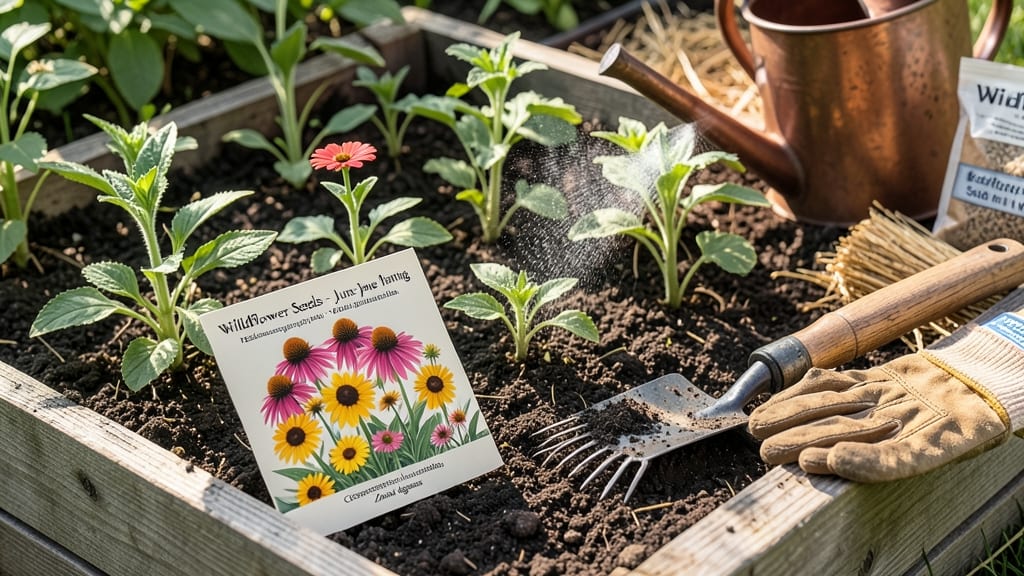
Planting wildflower seeds in June is possible, but timing and climate play a critical role in whether they’ll thrive or struggle.
June might feel like the perfect time to start a wildflower garden—warm soil, blooming inspiration—but planting too late can leave your seeds fighting drought and heat stress. The key is choosing the right varieties and preparing your soil correctly to give them a fighting chance.
In USDA Zone 6, late June planting works best for fast-growing annuals like cosmos and zinnias, which can establish roots before summer’s peak heat. However, most wildflowers prefer cooler soil, so fall planting (August–October) often yields stronger results.
Below, I’ll share expert tips for successful June planting, including soil prep, watering schedules, and the best late-season wildflowers for your region.

June wildflower planting: success factors and late-season risks
June can be a tricky month for wildflower planting, but with the right approach, you can still achieve stunning results. The key lies in understanding your local climate zone, soil conditions, and selecting fast-growing varieties that thrive in warm weather.
Unlike spring planting, where cooler temperatures encourage germination, June offers warmer soil and longer daylight hours—ideal for certain wildflowers.
However, late-season planting comes with risks. Drought stress and heat exhaustion can stifle young seedlings before they establish roots. In USDA Zones 7-10, where summers are hotter, June planting may require extra care like mulching and frequent watering.
For Zones 3-6, late June might still be viable for hardy annuals like cosmos or black-eyed Susans.
Before planting, check your last frost date and soil temperature. Most wildflower seeds need soil temps between 60-75°F for optimal germination. If your soil is too hot (above 85°F), consider waiting until late summer or fall for better success.
Another critical factor is seed viability. Wildflower seeds often have a shorter shelf life than vegetable seeds, especially if stored improperly. Check the packaging date—older seeds may have reduced germination rates. For June planting, prioritize fresh seeds or those labeled as heat-tolerant varieties.
Preparing your soil is just as important as seed selection. Loosen the top 2-3 inches of soil to improve aeration and water absorption. Remove weeds and debris, as competition for resources can weaken young seedlings. A light layer of compost (1-2 inches) adds nutrients without overwhelming the seeds.
Now, let’s address the biggest question: Can you plant wildflower seeds in June? The answer depends on your location and the varieties you choose. While some wildflowers thrive in late-season planting, others may struggle. Below, I’ll outline the success factors and late-season risks to help you decide.
Planting wildflower seeds in June can work but requires extra care. Heat stress and drought are the biggest risks. If your area experiences consistent temperatures above 85°F, germination rates may drop below 50%. For best results, choose heat-tolerant varieties like cosmos, zinnias, or sunflowers, and plant in partial shade until seedlings establish.
Pro Tip: Mulch heavily (1-2 inches) to retain moisture and cool the soil. Avoid planting in full sun without adequate watering, as young seeds can dry out within 24 hours.
One of the biggest advantages of June planting is the extended growing season for annual wildflowers. Many varieties, such as cosmos and black-eyed Susans, can germinate quickly in warm soil and produce blooms by late summer or early fall.
This gives you a head start on next year’s garden, as some perennials may also establish roots before winter.
However, not all wildflowers are suited for June planting. Delicate perennials, like coneflowers or bee balm, often struggle with late-season heat. These varieties are better suited for spring or fall planting, when soil temperatures are cooler and moisture levels are more stable.
Always check the seed packet recommendations for specific varieties.
To maximize your chances of success, focus on fast-germinating seeds that can establish roots before summer’s peak. Avoid planting large-seeded varieties, like sunflowers, which may take longer to sprout and are more susceptible to drying out.
Instead, opt for fine seeds like those of cosmos or baby’s breath, which germinate quickly and require minimal care.
Watering is another critical factor in June planting. Unlike spring, when rainfall is often more frequent, summer months can bring prolonged dry spells. Water your newly planted seeds deeply but gently to avoid displacing them.
Aim for 1-2 inches of water per week, either from rainfall or manual watering. Use a fine mist setting on your hose or a watering can to keep seeds moist without washing them away.
Finally, consider your local climate patterns. If your region experiences sudden heatwaves or drought conditions, June planting may not be ideal. In such cases, wait until late August or early September for fall planting, which often yields better results.
For now, keep an eye on your weather forecast and adjust your planting timeline accordingly.
Best wildflower species for June planting and their growth habits
June planting is a gamble for many wildflowers, but some varieties thrive in late-season warmth. The key is selecting fast-germinating annuals and heat-tolerant perennials that can establish roots before summer’s peak. Southern regions (USDA Zones 7–11) have more success than Northern zones (3–6), where cooler soils are ideal.
For Northern climates, focus on short-day annuals like cosmos and zinnias, which bloom quickly. In Southern regions, drought-resistant natives like black-eyed Susans and blanket flowers perform best. Always check your local frost dates—planting too late risks seeds drying out before germination.
Below is a curated list of June-friendly wildflowers, categorized by bloom time, hardiness, and drought tolerance. Each variety includes seed depth and sunlight needs to maximize success.
| Variety | Bloom Time | Hardiness Zone | Drought Tolerance | Seed Depth | Sun Needs |
|---|---|---|---|---|---|
| Cosmos bipinnatus | Summer–Fall | 3–11 | High | 1/8" | Full Sun |
| Zinnia elegans | Summer–Frost | 3–11 | Moderate | 1/4" | Full Sun |
| Rudbeckia hirta | Summer–Fall | 3–9 | Very High | 1/4" | Full Sun–Part Shade |
| Gaillardia pulchella | Summer–Fall | 3–11 | Very High | 1/8" | Full Sun |
| Coreopsis tinctoria | Summer–Fall | 3–10 | High | 1/4" | Full Sun–Part Shade |
Cosmos bipinnatus and zinnias are top picks for June planting—they germinate quickly (7–14 days) and tolerate heat. Black-eyed Susans (Rudbeckia) and blanket flowers (Gaillardia) are drought-proof once established, making them ideal for dry climates. For shadier spots, try coreopsis, which thrives in part shade.
To improve germination rates, pre-soak seeds overnight and plant in well-draining soil. Use a light mulch (straw or grass clippings) to retain moisture without suffocating seeds. Water deeply once daily for the first 2 weeks, then taper to 2–3 times weekly.
For Northern gardeners, consider fall planting (August–September) instead—it gives seeds time to germinate before winter. In Southern zones, June planting works well for annuals, but perennials like coneflowers may need extra shade during peak heat.
Pro tip: Mix fast germinators (cosmos, zinnias) with slow-growing perennials (coneflowers, asters) for a multi-season display. Always test your soil’s moisture retention—amend with compost if it drains too quickly.