
Plants
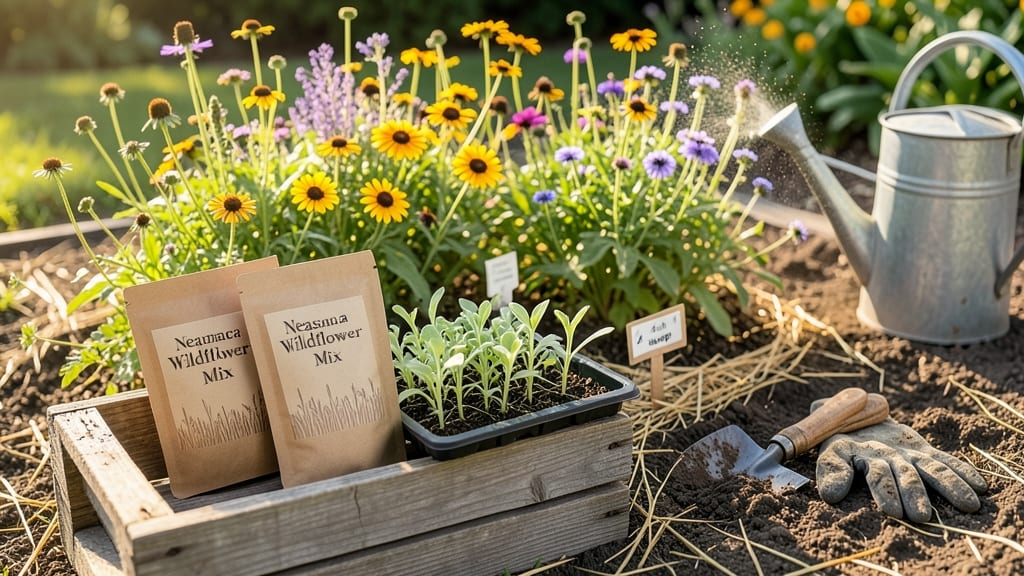
Planting wildflower seeds in Nebraska at the right time ensures vibrant blooms from spring to fall 🌼 — and skipping the ideal window can mean waiting years for your meadow to shine.
Nebraska’s wildflower meadows burst with color—but timing your planting wrong can leave you waiting years for blooms. Mastering the perfect window for planting wildflower seeds in USDA Zone 5B ensures vibrant displays from spring to fall.
Whether you’re sowing in early spring or late summer, Nebraska’s unpredictable frost dates and rainfall patterns make the difference between success and frustration. The key is understanding when the soil is just warm enough and the weather just stable enough for seeds to germinate reliably.
Below, I’ll break down the best planting months for your region, the native wildflowers that thrive here, and how to prepare your soil for long-term meadow success—so you can enjoy those colorful blooms starting next year.
Best planting windows for Nebraska wildflowers by season (zone 5B guide)
Nebraska’s wildflower meadows thrive when planted at the right time, but Zone 5B’s unpredictable frost dates and variable rainfall make timing tricky. Spring and fall offer distinct advantages—spring ensures immediate blooms, while fall establishes roots for next year’s vibrant displays.
Let’s break down the optimal planting windows and how to adjust for Nebraska’s microclimates.
For spring planting, aim for March through early April—just as soil temperatures rise above 40°F (4°C). This window gives seeds time to germinate before summer’s heat arrives.
In western Nebraska, where frost dates are earlier, you can start as early as late February, while eastern regions may wait until mid-April to avoid late frosts.
Fall planting is my top recommendation for Nebraska’s wildflowers, with August through early September being ideal. Seeds germinate slowly in cool soil, avoiding summer drought stress. By planting in fall, you skip spring competition and ensure a fuller first-year bloom. Just be sure to finish by October 1st to allow seeds to establish before winter.
Here’s a quick reference for Nebraska’s planting windows, including soil prep and microclimate tips:
If you’re planting in western Nebraska, where summers are hotter and drier, focus on fall planting to avoid summer drought stress. In eastern regions, spring planting can work well if you prepare the soil early and protect young seedlings from late frosts.
Always check your local USDA frost dates—they can vary by 2–3 weeks even within the same county.
For urban gardeners, microclimates matter even more. South-facing walls or paved areas can be 5–10°F warmer than open fields, creating ideal spots for early spring planting. Conversely, low-lying areas may stay colder longer, delaying germination. Use a soil thermometer to confirm conditions before planting.
One common mistake I see is planting too late in spring. If you miss the March–April window, wait for fall—don’t try to force seeds in May or June. Nebraska’s summer heat will bake seeds into dormancy, and you’ll waste money on seeds that won’t germinate until next spring.
The same goes for late fall planting after the first frost—seeds need 4–6 weeks to establish before winter sets in.
Pro tip: Mix native wildflower seeds with a light layer of compost before scattering. This improves soil contact and helps retain moisture during Nebraska’s variable spring rains.
For large meadows, use a broadcast spreader for even coverage, then lightly rake to press seeds into the soil—no need to bury them deeply.
Remember, patience is key with wildflowers. While some species like black-eyed Susans may bloom the first year, others like coneflowers take 2–3 years to reach their full potential. By planting at the right time, you’ll set the stage for years of low-maintenance color with minimal effort after establishment.
🌼
How Nebraska’s climate affects wildflower germination success
Nebraska’s Zone 5B climate creates unique challenges for wildflower germination. The last spring frost typically arrives around April 15th, while the first fall frost often hits by October 15th. These dates mark the narrow window where seeds can establish roots before harsh weather strikes.
Soil temperatures below 40°F (4°C) can stunt germination, while inconsistent rainfall patterns—especially in western Nebraska—create dry spells that stress young seedlings. Understanding these factors helps you avoid common pitfalls like seed dormancy or fungal rot from overwatering.
⚠️ Critical Warning: Nebraska’s Frost Risks
Planting too early (before soil temps reach 50°F) risks seeds rotting in cold, wet soil. Planting too late (after August 15th) leaves seedlings vulnerable to fall frosts before root establishment.
Use a soil thermometer to confirm 50°F+ for spring planting or 60°F+ for fall sowing. Western Nebraska’s drier climate may require pre-sprouting seeds indoors for reliability.
Rainfall patterns vary dramatically across Nebraska. Eastern regions receive 30+ inches annually, while western areas see as little as 15 inches. This affects watering needs—eastern meadows may need less supplemental water, while western sites often require drip irrigation during germination.
Wind is another silent threat. Nebraska’s prevailing westerlies can bury seeds or dry out soil. To combat this, press seeds lightly into soil and use straw mulch to retain moisture. Native species like black-eyed Susan and prairie coneflower are wind-resistant once established.
Soil pH also plays a role. Nebraska’s calcareous soils (pH 7.5–8.5) favor alkaline-loving wildflowers like butterfly weed and purple coneflower. If your soil tests below 6.5, amend with lime before planting to prevent nutrient lockout.
Finally, microclimates matter. South-facing slopes warm 2–3°F faster than north-facing areas, creating ideal spots for early spring planting. Use these warmer microclimates to extend your planting window by 2–3 weeks in both spring and fall.