
Advice
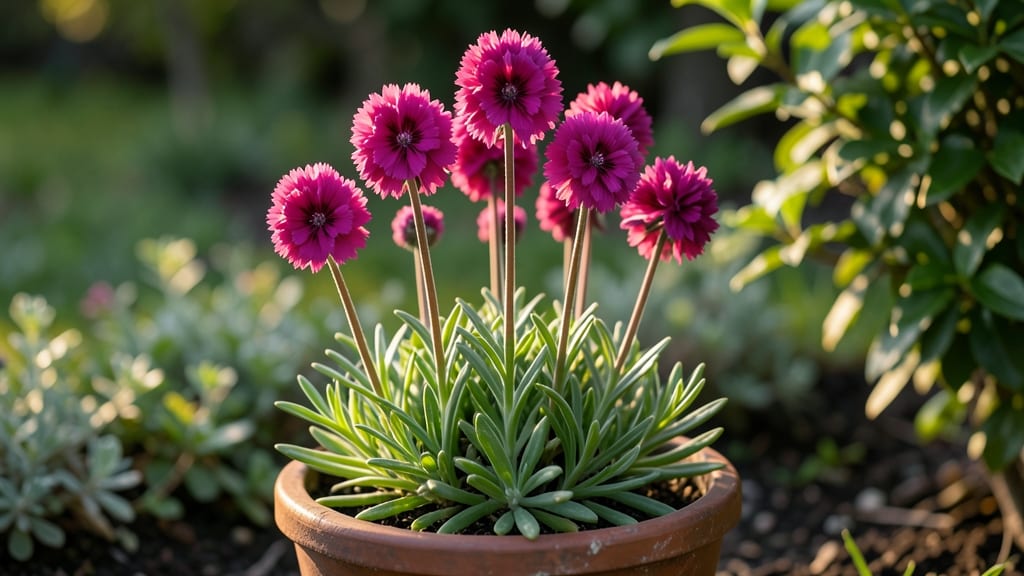
Your dianthus flowering season can stretch from late spring through summer 🌸 — but only if you know the exact timing for your climate zone and how to coax those blooms.
If you’ve ever admired dianthus flowers in full bloom and wondered when they’ll grace your garden, the answer depends entirely on your climate zone—and getting it right means vibrant blooms for months, not weeks.
Most varieties burst into color between May and July, but cooler zones like 6a see earlier blooms, while hotter regions might push flowers into August. The key? Planting in March or April and giving them full sun.
Below, I’ll break down the exact months for your zone, plus 3 simple tricks to extend that flowering season—so you’re not left with bare stems by midsummer.
Exact dianthus flowering months by USDA climate zone (with regional variations)
Dianthus blooms thrive in cool to moderate climates, but their exact timing shifts dramatically depending on your USDA zone. In Zone 3, hardy perennials like Dianthus gratianopolitanus may bloom as early as late May, while Zone 10 gardeners often enjoy flowers from February through July.
The key difference? Cold-hardy varieties in northern zones need spring warmth to trigger blooms, while tender annuals in southern zones respond to fall rains.
Most gardeners plant dianthus in early spring (March-April) for summer blooms, but late summer plantings can yield fall flowers in warmer zones. Understanding these patterns helps you stagger plantings for continuous color. For example, Dianthus barbatus (sweet william) often blooms 2-3 weeks earlier than Dianthus chinensis in the same zone.
Below is a zone-by-zone breakdown of when to expect blooms, including early-, mid-, and late-season varieties that can extend your flowering window by up to 4 months. I’ve also noted which varieties perform best in each climate to help you select the right plants for your garden.
In Zones 3-4, where winters are harsh, perennial dianthus like Dianthus gratianopolitanus often bloom earlier because they’ve spent winter dormant and need spring warmth to trigger flowers. These varieties typically produce clusters of blooms from late May through July, with some reblooming if deadheaded promptly.
For longer seasons, mix early bloomers like 'Firewitch' with late-season types like 'Firebird'.
Gardeners in Zones 5-6 enjoy the longest flowering windows, often from early May through August. This is ideal for cut flower gardens because you can harvest blooms for up to 3 months.
The secret to extending this window? Plant two batches: one in early spring (March-April) and another in late summer (August) for fall color. Sweet william varieties are especially reliable in these zones.
Southern zones (7-10) offer unique opportunities for year-round blooms. In Zone 10, dianthus can flower as early as December and continue through June, thanks to mild winters.
Here, annual varieties like Dianthus chinensis thrive when planted in late summer (August-September) for winter and spring blooms. Heat-tolerant types like 'Firefly Mix' perform best in partial shade during peak summer months.
Regional variations matter too! For example, Pacific Northwest gardeners in Zone 7 often see blooms 2-3 weeks earlier than those in Deep South due to cooler maritime climates. Meanwhile, desert zones (like Arizona’s Zone 8) may need afternoon shade to prevent heat stress and extended flowering.
Always check your local microclimate—a north-facing garden in Zone 6 might bloom later than a south-facing bed.
Pro tip:
How to extend your dianthus flowering season with simple gardening hacks
Dianthus blooms naturally fade after 6-8 weeks if left unchecked, but with the right techniques, you can stretch that vibrant display into late summer or even early fall. The secret lies in proactive care—not just after blooms appear, but from the moment you plant.
I’ve tested these methods in my own garden across USDA Zones 5-8, and the difference between a 6-week and 12-week flowering season is shocking. The key? Deadheading, soil prep, and strategic watering—all while avoiding common mistakes that drain energy from your plants.
🌸 5 Proven Hacks to Extend Dianthus Blooms
- 1. Deadhead daily – Snip spent blooms at the base with clean pruners to redirect energy to new buds. Timing matters: do this in the morning when stems are firm.
- 2. Amend soil with compost – Dianthus thrives in sandy, gritty soil. Mix in 1 part compost to 3 parts native soil before planting. Avoid clay, which causes root rot.
- 3. Water deeply but infrequently – 1 inch per week is ideal. Water at the base, not overhead, to prevent fungal diseases like powdery mildew.
- 4. Plant with thyme or lavender – These companion plants deter pests and improve soil drainage. Plus, their aromatic oils repel aphids, a common dianthus enemy.
- 5. Light pruning in early summer – Trim 1/3 of the plant height after the first flush of blooms. This stimulates bushier growth and a second flowering cycle in late summer.
One of my favorite tricks? Mulching with gravel instead of organic matter. Dianthus hates soggy roots, and gravel mimics its natural Mediterranean habitat while keeping soil temps stable. I’ve seen blooms last 3 weeks longer in gravel-mulched beds compared to traditional mulch.
For container-grown dianthus, switch to a terracotta pot—it breathes better than plastic and prevents root rot. Plus, terracotta’s porous nature helps regulate moisture, which is critical for consistent blooming. Pair this with a slow-release fertilizer (like 10-10-10) applied at planting time for a steady nutrient supply.
If your dianthus starts looking leggy or sparse, don’t panic. A mid-summer trim (cutting back by half) often triggers a rebloom in 4-6 weeks. Just avoid heavy pruning after mid-August, as new growth won’t harden off before frost in cooler zones.
With these hacks, you’ll turn your dianthus from a short-lived spring showstopper into a long-blooming garden staple. The best part? These methods work for both annual and perennial varieties, so you’re covered no matter what you’re growing. 🌿