
Flowers
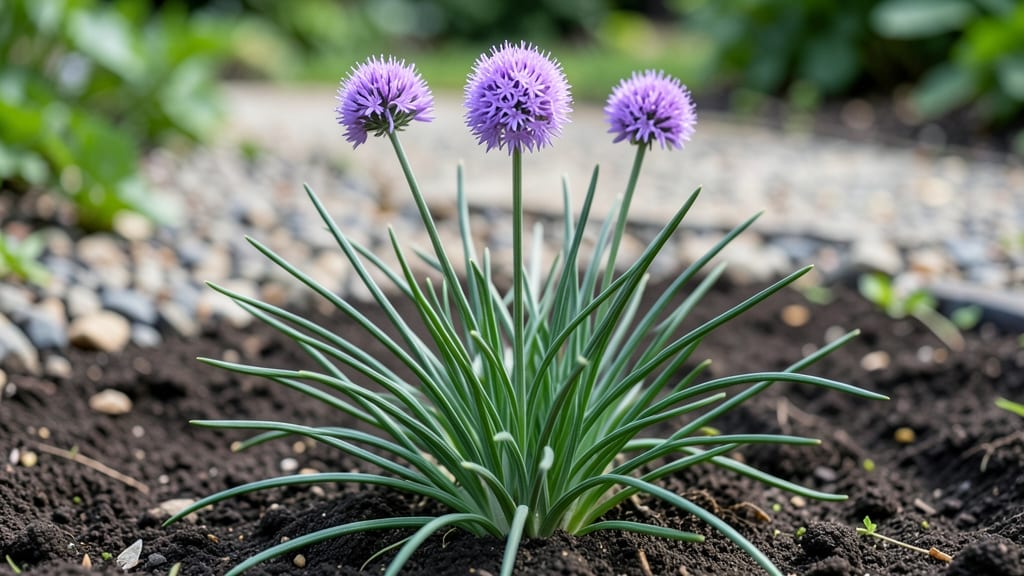
Chives do have flowers 🌿—those delicate purple (or sometimes white) spikes that rise above the leaves in late spring and summer.
If you’ve ever wondered whether those delicate purple spikes sprouting from your chives are just decorative—or secretly packed with flavor—you’re not alone. Chives aren’t just a kitchen staple; their blooms are edible, beautiful, and surprisingly versatile in cooking and garden design.
These flowers aren’t just pretty—they’re packed with the same mild onion-garlic flavor as the stems, making them a double-duty ingredient for garnishes, teas, or even vinegars. Plus, they attract pollinators, turning your herb garden into a mini ecosystem.
In this guide, I’ll cover when and why chives flower, how to encourage vibrant blooms, and creative ways to use them—so you can enjoy both the leaves and the flowers all season long.
Chive flowers: when, why, and how they grow on your plant
Yes, chives absolutely have flowers—those charming purple or white spikes you’ve spotted aren’t just for show! They’re a natural part of the plant’s lifecycle and appear annually if your chives are healthy.
These delicate blooms emerge from the center of the plant, often between May and July, depending on your climate and growing conditions.
The flowers start as small buds that gradually unfurl into star-shaped blossoms with six petals. While they’re stunning in the garden, they also serve a functional purpose: they produce seeds that can be saved for future propagation.
Many gardeners love chive flowers for their ornamental value, as they add a pop of color to edible landscapes.
| Characteristic | Details |
|---|---|
| Flower Color | Purple (most common) or white varieties |
| Bloom Time | Late spring to early summer (May-July) |
| Flower Shape | Star-shaped with 6 petals, ~1 inch wide |
| Height at Bloom | 12-18 inches tall (mature plant) |
| Edibility | Yes—mild onion-garlic flavor, similar to stems |
| Pollinator Value | High—attracts bees, butterflies, and beneficial insects |
Chive flowers grow from the central stem of the plant, which may seem counterintuitive if you’re used to harvesting the leafy green stems for cooking.
The flowering process is the plant’s way of reproducing, but it doesn’t harm the edible parts—you can still harvest leaves and stems while the flowers are in bloom.
To encourage vibrant flowering, ensure your chives receive 4-6 hours of sunlight daily and well-draining soil. Overcrowding can reduce flower production, so give plants 6-12 inches of space between each other. If your chives aren’t flowering, they might need more sunlight or nutrients.
One common misconception is that chive flowers steal energy from the edible stems. In reality, the plant balances both growth cycles—flowering doesn’t weaken the leaves if the plant is healthy.
In fact, many gardeners prune spent flowers to redirect energy back to leaf production if they prioritize harvest over blooms.
The timing of chive flowers depends on your climate and planting time. In cooler regions (USDA zones 3-5), blooms may appear later, around June or July.
In warmer zones (6-10), flowering can start as early as April. If you’re growing chives indoors, they may bloom less reliably due to limited light.
Fun fact: Chive flowers have a milder flavor than the stems but still pack a subtle onion-garlic punch. They’re often used as garnishes for soups, salads, or cocktails. Plus, their bright color makes them a favorite in edible flower arrangements.
If you’re growing chives for propagation, let some flowers go to seed. Once the blooms fade, they’ll form seed heads that you can collect and dry for next year’s planting. This is a great way to save money and expand your garden without buying new plants.
For best results, deadhead spent flowers (remove faded blooms) to encourage continuous flowering and prevent self-seeding where you don’t want it. This also keeps your chives looking neat and tidy while maintaining their productivity for both flowers and leaves.
How to harvest and use edible chive flowers in cooking
Harvesting chive flowers is easier than you think—and it’s one of the best ways to elevate your dishes with a subtle onion-garlic punch. Unlike the stems, which are best picked young, chive blooms reach their peak flavor just before they fully open.
This is when their delicate petals are most tender and packed with flavor.
The flowers taste milder than the stems but still carry that signature herbaceous kick. They’re perfect for adding color and flavor to salads, soups, or even homemade vinegars. Plus, harvesting them encourages more growth, so you’ll get both leaves and blooms all season long.
- 🌱 Pick at the right stage: Harvest when half-open for peak flavor and tenderness.
- 🌿 Use fresh or dried: Fresh blooms add bright color to dishes; dried ones work for teas or potpourri.
- ✂️ Snip carefully: Cut 1-2 inches above the base to avoid damaging the plant.
- 🍽️ Garnish like a pro: Sprinkle over soups, eggs, or salads for a pop of flavor and color.
- 💧 Avoid wilting: Store in a glass of water like cut flowers to keep them fresh longer.
Chive flowers shine as garnishes because their vibrant purple hue makes dishes look stunning. Try scattering them over a creamy potato soup or a fresh green salad for a flavorful finishing touch.
You can also steep them in hot water to make a soothing herbal tea—just let the flowers infuse for 5-10 minutes.
For something more adventurous, blend the blooms into a homemade vinegar or honey infusion. The mild onion flavor pairs beautifully with sweet or tangy bases, making it a unique pantry staple. Just be sure to harvest only organic chives if you plan to eat the flowers raw.
If you’re unsure whether to harvest the flowers or leave them for pollinators, consider this: chives are self-pollinating, so removing blooms won’t harm the plant.
However, leaving a few behind will attract bees and butterflies, turning your garden into a mini ecosystem while still giving you plenty to use in the kitchen.
To keep your chives producing both leaves and flowers, avoid over-fertilizing with nitrogen-heavy feeds. A balanced fertilizer (like 5-10-10) will encourage blooming while maintaining leaf growth. With the right care, your chives can become a year-round flavor factory—both above and below the soil.