
Flowers
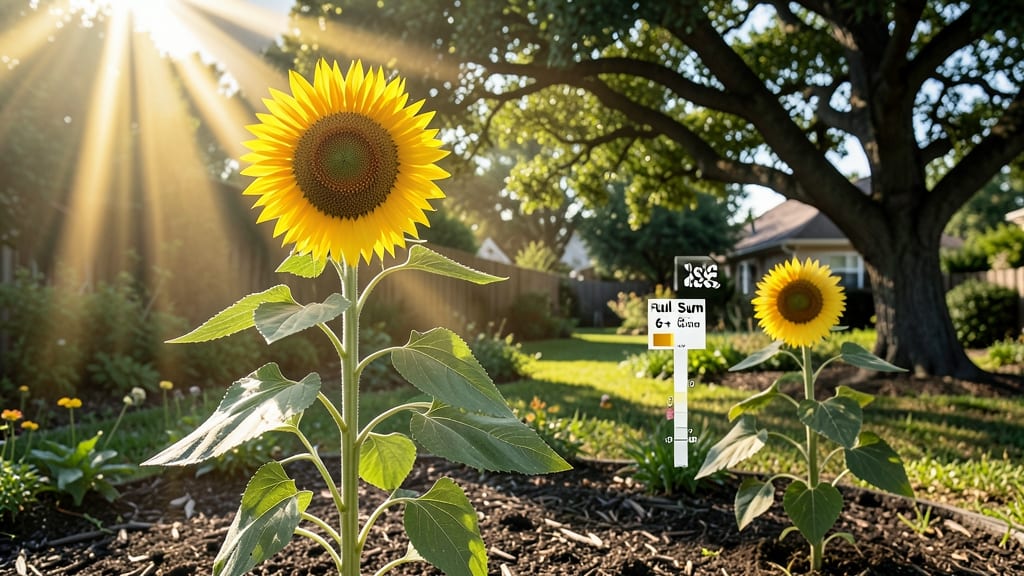
Sunflowers need full sun to grow strong and produce those iconic giant blooms—think 6 to 8 hours of direct light daily, no compromises.
Picture this: leggy stems stretching toward the sky, tiny buds that never open, or worse, plants that flop over before they even flower. That’s what happens when your 🌻 sunflowers don’t get enough light—and it’s a heartbreaking waste of all that potential.
But here’s the good news: sunflowers are hardy, and with the right placement, even partial shade won’t doom your garden.
I’ll walk you through how to spot light deficiencies, adjust your planting strategy, and pick the best varieties for your space—so you can grow sunflowers that tower over your fence and turn heads at the farmer’s market.
Ready to unlock the secrets to bigger blooms and taller stems? Let’s dive into the sunlight rules that make all the difference.

How much sun sunflowers actually need (and why it matters)
Sunflowers are sun worshippers by nature—they crave full sun to grow their signature towering stems and massive blooms. Without enough light, their growth stalls, and you’ll miss out on those iconic 10-foot giants that make your garden the talk of the neighborhood.
Think of sunlight as their energy drink: the more they get, the faster and stronger they grow.
Most sunflower varieties need 6 to 8 hours of direct sunlight daily to thrive. This means placing them in the sunniest spot your yard has to offer—no half-measures. Even partial shade (less than 6 hours of sun) can lead to weak stems, small flowers, and poor seed production.
If you’ve ever grown sunflowers that barely reached your waist, chances are they weren’t getting enough light.
Here’s the science behind it: sunflowers rely on photosynthesis efficiency to convert sunlight into energy. More light means more chlorophyll production, which fuels their rapid vertical growth. Without it, their stems become leggy and thin, and their blooms stay puny.
Even the seed production suffers—fewer seeds mean fewer chances to save seeds for next year or enjoy those classic sunflower snacks.
If you’re dreaming of giant sunflowers like the ones you see at fairs, aim for the sunniest spot possible. South-facing gardens are ideal in the Northern Hemisphere, where they’ll bask in sunlight from early morning until late afternoon.
Even a few hours of shade—like from nearby trees or buildings—can dramatically reduce their growth potential.
For container growers, place your sunflower pots on a south-facing patio or balcony. If you’re limited to a north-facing space, choose dwarf varieties like 'Sunspot' and accept that they’ll stay smaller.
Remember, sunflowers will always lean toward the light, so rotate your containers every few days to keep stems straight and sturdy.
One common misconception is that sunflowers can thrive in partial shade. While they might survive with less light, their growth rate slows, and their blooms become tiny and sparse.
If you’re dealing with shade, consider companion planting with taller plants that won’t block sunlight, like beans or peas, which can grow beneath sunflowers without competing for light.
Pay attention to the time of year too. Sunflowers planted in early spring might get fewer sunlight hours, but by summer, they’ll soak up every possible ray. If you’re in a cloudy or rainy climate, supplement with a grow light for 12-14 hours daily to mimic full sun conditions.
This extra boost can make the difference between a wimpy plant and a showstopper.
Finally, don’t forget that seed production is directly tied to sunlight. Sunflowers need plenty of light to develop healthy, plump seeds. If you’re growing them for birdseed or cooking oil, prioritize full sun to ensure a bountiful harvest.
Even if you’re just growing them for their beauty, more sunlight means bigger, brighter blooms that will turn heads all summer long.
So, if you’re ready to grow sunflowers that reach for the sky and bloom like wildfire, give them the sunlight they deserve. Your garden—and your neighbors—will thank you for it. 🌻
Signs your sunflowers aren’t getting enough sun (and how to fix it)
If your sunflowers are looking more like spaghetti plants than towering giants, your first suspect should be sunlight—or the lack of it. Sunflowers are sun-worshippers, and when they don’t get enough light, their growth patterns scream for help.
The good news? These signs are easy to spot once you know what to look for, and fixes are often simpler than you’d think.
Start by checking your sunflower stems. If they’re long, thin, and weak, stretching upward like they’re reaching for the sky, that’s a classic sign of light deprivation.
These leggy stems happen when plants grow tall and spindly in search of sunlight, often toppling over before they even flower. It’s like watching a skyscraper built on jelly—impressive at first, but doomed to collapse.
Next, examine the blooms. Are they tiny and sparse, or worse, not opening at all? Sunflowers deprived of light often produce small, underdeveloped buds that never fully bloom.
Even if they do open, the flowers might be pale and lackluster, a far cry from the vibrant, sun-kissed blooms you’re craving. And don’t even get me started on the seeds—if they’re small, shrunken, or fail to develop, your plants are begging for more sunlight.
⚠️ Critical Light Deficiency Alert
Sunflowers need 6-8+ hours of direct sunlight daily—any less, and you’ll see these red flags:
- Leggy stems (stretching, weak, prone to flopping)
- Small, pale blooms (buds that never fully open)
- Poor seed development (seeds stay underdeveloped or shrivel)
- Yellowing leaves (especially on lower stems)
Fix it fast: Move plants to sunnier spots, use reflective surfaces (like white walls), or switch to dwarf varieties if shade is permanent.
If your sunflowers are planted in partial shade, don’t panic—there are still ways to salvage them. First, try relocating the plants to a sunnier part of your garden. Even a few extra hours of light can make a world of difference.
If moving isn’t an option, consider container gardening—place your pots on a south-facing porch or balcony where they can soak up reflected sunlight from nearby surfaces.
For gardeners stuck with permanent shade, companion planting can help. Tall, reflective plants like corn or beans can bounce light onto your sunflowers, while shorter companions like marigolds or nasturtiums won’t steal their light.
Just avoid planting sunflowers near dense shrubs or trees, which cast deep shade and block essential sunlight. Even in shade, dwarf sunflower varieties like ‘Teddy Bear’ or ‘Moulin Rouge’ tolerate lower light better than their towering cousins.
Lastly, don’t overlook the power of reflective surfaces. Painting a wall behind your sunflowers white or light-colored can increase light exposure by up to 30%. You can also use aluminum foil or reflective mulch to bounce extra light onto your plants.
These tricks won’t replace full sun, but they’ll give your sunflowers the boost they need to grow stronger and bloom brighter—even in less-than-ideal conditions.
With these fixes, your sunflowers will soon stand tall, proud, and ready to turn heads—no matter where you’re gardening. Happy growing! 🌻