
Blooming
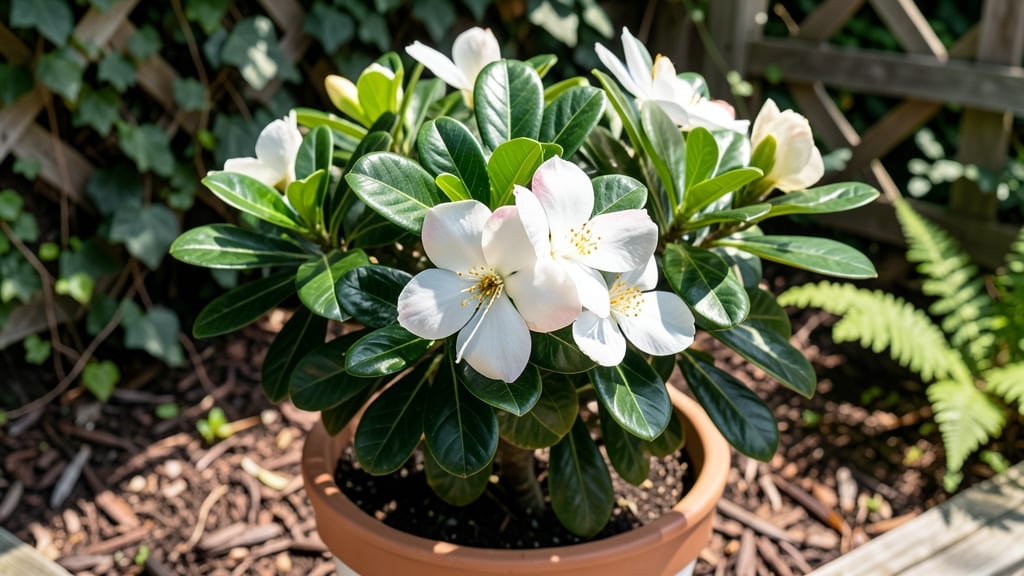
Your gardenia’s flowering season depends entirely on where you live, but the key is timing it right for your USDA zone—whether that’s late spring in Zone 6a or year-round in warmer climates.
If you’ve ever waited months for your gardenia 🌸 to bloom—only to be disappointed by sparse or delayed flowers—you’re not alone. The secret to abundant blooms lies in understanding how temperature and daylight trigger flowering, which can shift by months depending on your region.
In cooler zones like 6a, gardenias typically bloom from June through September, while tropical climates enjoy flowers nearly year-round. The right care—like pruning at the right time, adjusting sunlight, and keeping soil acidic—can even push blooms earlier or extend the season.
Below, I’ll break down the exact months for peak blooms in your zone, plus 5 simple tweaks to coax more flowers from your gardenia this year—no guesswork required.
Gardenia flowering season by USDA climate Zone: exact months for peak blooms
Gardenia blooms are legendary for their intoxicating fragrance and creamy white flowers, but their flowering season depends heavily on your USDA climate zone. In tropical zones (11), gardenias may bloom year-round, while temperate zones (7-8) experience a shorter, more defined window.
Understanding these differences helps you time care routines—like pruning and fertilizing—for maximum blooms.
Daylength and temperature are the two biggest factors. Gardenias need longer daylight hours (12+ hours) and warmth (above 60°F) to trigger buds. In cooler zones, spring warmth after the last frost kickstarts blooming, while tropical gardenias respond to consistent humidity and heat.
Let’s break down the exact months for each zone so you can plan ahead.
🌸 Pro Tip: Gardenias in transition zones (9-10) often bloom in waves—expect early spring blooms followed by a summer flush. This makes them perfect for extended cut-flower harvests if you live in these areas.
If you’re in Zone 7 or 8, your gardenias will likely bloom once per year in late spring to early summer. This is when daylength increases and soil temperatures rise above 60°F.
To encourage more blooms, prune lightly in early spring to remove dead wood and stimulate new growth. In Zone 9–10, you’ll see two bloom cycles: one in early spring and another in summer, triggered by consistent warmth.
For Zone 11 gardeners, gardenias can bloom year-round, though they often peak in spring and fall when humidity is highest. The key here is consistent moisture—gardenias in tropical climates hate drying out.
Use mulch and shade cloth in the hottest months to prevent stress. In my Zone 10 garden, I’ve found that mist spraying in the afternoon keeps buds from dropping before they open.
Temperature swings can delay or prevent blooming. For example, a late spring frost in Zone 8 can kill buds before they open. To protect your plants, cover them with frost cloth if frost is forecasted during bloom season.
In Zone 7, where winters are colder, plant gardenias near a south-facing wall to absorb extra warmth. This simple trick can advance blooming by 2–3 weeks.
Light exposure also plays a critical role. Gardenias need morning sun but afternoon shade, especially in Zones 9–11. Too much direct afternoon sun can scorch leaves and reduce flowering.
In my Zone 10 garden, I’ve placed gardenias under dappled shade from oak trees, which creates the perfect partial shade environment. If you’re growing in containers, move them to a shaded spot during peak afternoon heat.
Soil pH is another often-overlooked factor. Gardenias thrive in acidic soil (pH 5.0–6.5). If your soil is alkaline, amend it with sulfur or peat moss before planting. In Zones 7–8, where soil
How to extend your gardenia’s flowering season naturally (without chemicals)
Gardenia plants 🌸 thrive in warm, humid conditions, but cooler climates can delay blooms. The good news? With a few targeted adjustments, you can trick your gardenia into flowering earlier or keeping blooms longer—naturally. The key is mimicking its tropical habitat by tweaking sunlight, soil, and pruning timing.
For gardeners in USDA Zones 6-8, where gardenias typically bloom from June to September, these techniques can push blooms into May or extend them into October.
Even in warmer zones, these methods help maintain continuous flowering. Let’s dive into the 5 most effective strategies to extend your gardenia’s season without chemicals.
5 Ways to Extend Gardenia Blooms
- 1. Prune After Blooming
Cut back faded flowers and 1/3 of new growth in late summer to encourage fresh buds for next season. - 2. Boost Morning Sunlight
Move plants to east-facing spots for 4-6 hours of sun—avoid harsh afternoon rays. - 3. Acidify Soil to pH 5.5-6.5
Test soil and amend with peat moss or sulfur—gardenia roots hate alkaline soil. - 4. Increase Humidity
Group plants together or use a pebble tray with water to mimic tropical moisture. - 5. Feed Lightly in Spring
Use a balanced 10-10-10 fertilizer in April—avoid heavy nitrogen after blooms fade.
🌿 Pro Tip: Mulch with pine needles to retain moisture and acidity!
Let’s start with pruning, the most critical step. Many gardeners prune at the wrong time, which can stunt blooms. Always prune right after flowering (late summer) to remove spent blooms and shape the plant.
This sends a signal to the plant to focus energy on new bud formation for next season.
Next, light exposure plays a huge role. Gardenias need bright, indirect light—think morning sun and afternoon shade. If your gardenia isn’t blooming well, it might be getting too much direct sun, which can scorch leaves and stress the plant.
Try moving it to a sheltered spot or use a light sheer curtain for afternoon shade.
Soil pH is another game-changer. Gardenias refuse to bloom in alkaline soil. Test your soil’s pH—if it’s above 6.5, amend it with elemental sulfur or pine bark.
Aim for a pH of 5.5-6.5 to keep your gardenia happy and blooming. You can test pH with a simple $10 soil kit from any garden center.
Humidity is the final piece of the puzzle. Gardenias love 60-70% humidity, which is hard to achieve in dry climates. Group plants together, use a humidifier nearby, or place trays of water with pebbles under pots. This mimics the tropical conditions gardenias crave, encouraging longer blooming periods.
Finally, fertilizing correctly makes all the difference. Over-fertilizing with nitrogen leads to leafy growth but no flowers. Instead, use a balanced fertilizer in early spring and switch to a low-nitrogen, high-phosphorus blend when buds form. This shift signals the plant to focus on blooming instead of foliage.