
Blooming
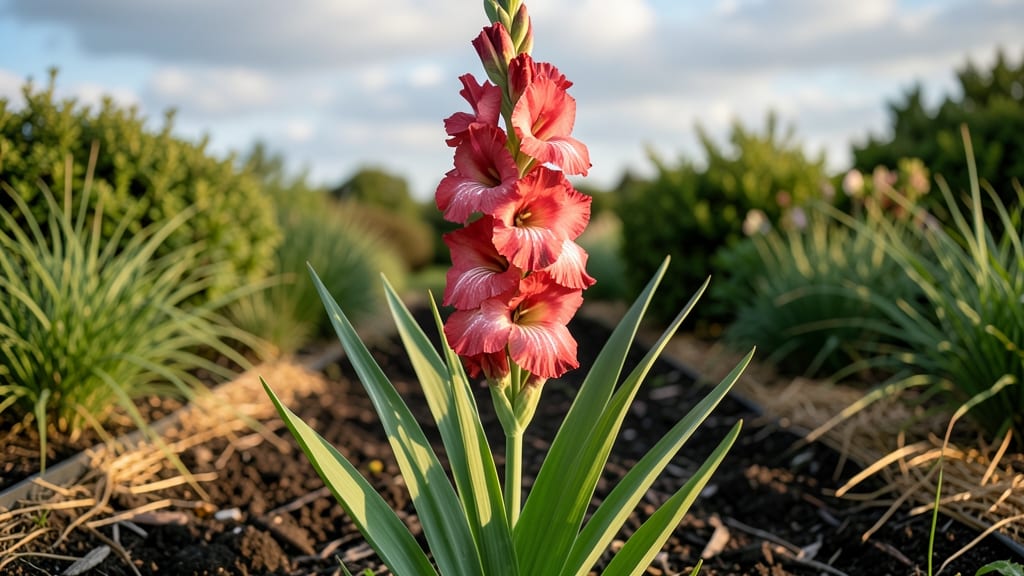
Gladioli flowering season peaks from late summer through fall 🌸, turning your garden into a vibrant vertical masterpiece—but only if you time planting just right.
Picture this: towering spikes of color stretching toward the sky, their bold blooms drawing every eye in the neighborhood. Yet miss the ideal planting window, and you’ll end up with floppy stems or no flowers at all.
The difference between a showstopper and a disappointment often comes down to when—and how—you get those corms in the ground.
In USDA Zone 6a, where spring arrives in April and frost lingers until October, gladioli thrive when planted April through May, just after the last frost. But regional tweaks matter—southern gardeners can start earlier, while northern growers may need to wait until June for reliable blooms.
The key? Calculating your frost-free days and adjusting for soil warmth.
Below, I’ll break down the exact timing for your zone, plus three pro tips to extend that flowering season from July straight into September—so your gladioli stay the star of the show long after other summer blooms fade.
Gladioli flowering season: exact timing by USDA hardiness zones
Timing your gladioli planting is the secret to summer-long blooms. These dramatic flowers need precise conditions to thrive, and your USDA hardiness zone dictates when to plant for peak flowering. In warmer zones, you can start as early as March, while colder regions may need to wait until June.
The goal? Get those corms in the ground when soil temperatures hit 60°F (15°C)—the sweet spot for root growth.
Gladioli typically bloom 90-120 days after planting, so late summer through fall is their natural window. But if you plant too early, frost-sensitive corms may rot, and late planting risks blooms arriving after the first frost.
Let’s break down the exact timing for three critical zones—plus how to adjust for your local climate quirks.
In USDA Zone 5-6, where I garden, I plant my gladioli in early May—just after the last frost—using a simple soil thermometer to confirm the ground has warmed to 60°F (15°C). This timing ensures blooms arrive in early July, just as other summer flowers start fading.
The key is consistency: gladioli hate soggy soil, so I always plant on a raised bed with excellent drainage.
For warmer zones (7-10), the rules change slightly. Southern gardeners can plant as early as March, but they must protect their corms from heat stress by providing afternoon shade or using shade cloth.
In Zone 9-10, fall planting is actually ideal—plant in September for stunning spring blooms, then let the corms enter dormancy naturally.
Northern gardeners in Zones 3-4 face the biggest challenge: short growing seasons. Here, I recommend using black plastic mulch to raise soil temperatures by 5-10°F, allowing earlier planting. You can also try container growing—gladioli thrive in pots and can be moved indoors before frost hits.
Regional adjustments matter too. If you’re in a high-altitude area (like Denver), expect a 2-3 week later planting window than sea-level zones. Similarly, coastal areas with mild winters may plant earlier than inland regions. Always check your local frost dates and adjust by 2-4 weeks for safety.
Pro tip: Use a frost calendar from your local cooperative extension office—they provide hyper-local data that’s far more accurate than generic zone guidelines.
For example, my neighbor in Zone 6a plants hers in June because her microclimate has late frosts, while I’m safe by May 1st. Microclimates rule when it comes to gladioli!
Finally, don’t forget that soil temperature is just as critical as air temperature. Stick a soil thermometer 4 inches deep—if it’s below 60°F (15°C), wait a week or two. Cold soil slows root growth, leading to weak stems and poor blooms.
With the right timing, your gladioli will reward you with bold, healthy spikes that last from July through September.
Ready to time your planting perfectly? Grab your soil thermometer, check your zone, and get those corms in the ground at the ideal moment—your summer garden will thank you! 🌸
How to extend gladioli’s flowering season with smart planting techniques
Want your gladioli to bloom from early July through September? The secret lies in staggered planting and succession techniques that trick the plants into thinking spring never ended. Most gardeners plant all their corms at once, resulting in a single burst of color that fades too soon.
Instead, I’ve learned to space out plantings by 2-3 weeks—each new batch pushes the flowering window forward by another 3-4 weeks.
Start your first batch of gladioli corms in early May (after your last frost date) for blooms in late July. Then, add a second batch 3 weeks later for August flowers, and a third batch in early June to extend into September.
This simple shift turns a 4-week display into a 12-week garden showstopper.
- 🌱 Plant corms in batches: First batch in early May, second 3 weeks later, third in early June
- ☀️ Monitor soil temperature: Wait until soil reaches 60°F+ (use a soil thermometer)
- 💧 Water deeply after planting: 1 inch of water immediately, then weekly
- ✂️ Deadhead spent blooms: Remove faded flowers to redirect energy to new buds
- 🌡️ Extend into fall: Use black plastic mulch to warm soil and push blooms into September
Don’t overlook soil temperature—it’s the silent season-extender. Gladioli corms need soil that’s at least 60°F to sprout. In cooler climates, use black plastic mulch or a cold frame to warm the soil faster. I’ve seen this trick add 10-14 extra days of blooming in my Zone 6a garden.
For even more control, try container growing—fill pots with heated compost or place them on dark-colored surfaces to absorb warmth.
When September’s chill arrives, don’t dig up those overwintering tubers just yet. In USDA Zones 7-10, gladioli can survive winter with mulch protection. Cut back the foliage to 2 inches tall, cover with 6 inches of straw or leaves, and they’ll often regrow in spring.
For Zones 3-6, dig up corms after the first frost, let them dry for a week, then store in cool, dark conditions (40-50°F) until replanting next spring.
Pro tip: Succession planting works best with short-day varieties like 'White Friendship' or 'Pink Parfait'. These types bloom earlier than long-day varieties, giving you that critical extra month of color. Pair them with tall varieties for vertical interest—think 'Green Star' or 'Black Star' for dramatic contrast against lighter blooms.
With these techniques, I’ve turned my gladioli from a 4-week flash into a 3-month garden highlight. The key? Timing, warmth, and patience—your garden will thank you with spikes of color long after other summer blooms have faded.