
How To
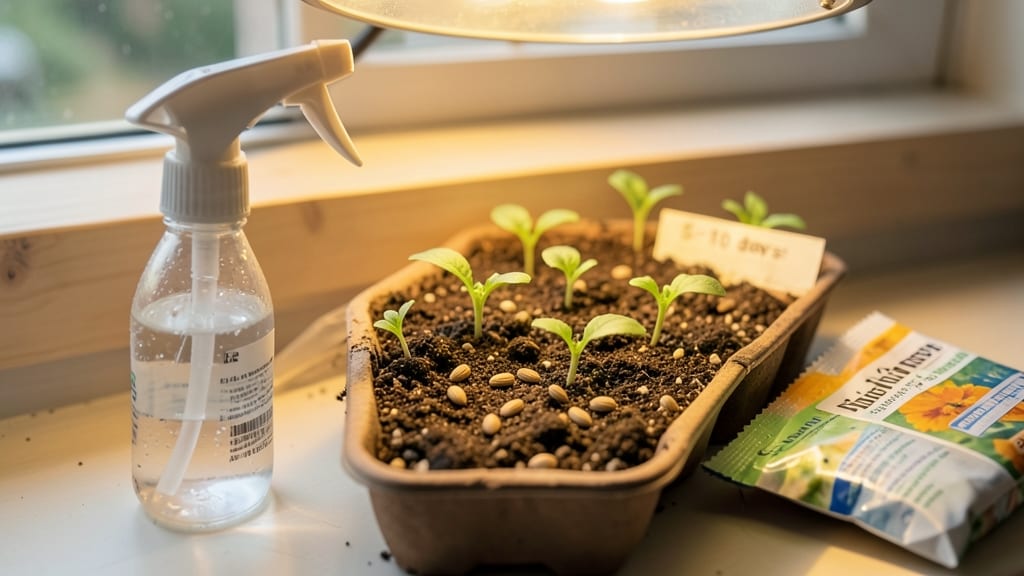
Flower seeds take anywhere from 5 days to 6 months to grow—depending on the variety, soil, and your climate.
Ever stared at a seed tray, willing tiny sprouts to appear? The truth is, some fast-bloomers like marigolds pop up in a week, while perennials like peonies might keep you waiting for years. Knowing these timelines helps you plan your garden without the guesswork.
Fast germinators (like zinnias or cosmos) can flower in as little as 60 days, while slow growers need patience, proper soil, and the right temperature to reach their full potential. Below, I break down the exact days for popular flowers—and how to speed up the process.
Ready to turn those seeds into a vibrant garden? You’ll discover the key factors that cut blooming time by weeks, plus troubleshooting tips for when things stall.


Fastest-blooming flower seeds: germination to flower in under 60 days
If you're eager to see color in your garden but don't have months to wait, these fastest-blooming annuals deliver stunning results in under 60 days. The secret? Choosing varieties bred for speed—like marigolds and cosmos—that skip the slow root-building phase and focus on quick flowering.
For impatient gardeners or short growing seasons, these are the top picks to plan around your last frost date.
Understanding the germination-to-bloom timeline helps you avoid disappointment. While some seeds sprout in just 5 days, others take 2 weeks—and that doesn't even include the time until the first flower appears. The good news?
With the right varieties, you can go from seed to showstopping blooms in as little as 50 days. Let's break down the fastest options and how to maximize their speed.
Marigolds are the speed champions of the flower world, often sprouting in just 5-10 days and blooming within 45-55 days. Their secret? They're heat-loving annuals that prioritize flowering over foliage growth.
For a double-whammy of speed, pair them with cosmos, which germinate just as fast but produce airy, long-lasting blooms that attract pollinators. Both thrive in poor soil and drought conditions, making them perfect for low-maintenance gardens.
Zinnias might take slightly longer to bloom (60-70 days), but their bold colors and long vase life make them worth the wait. The key to faster zinnias? Start seeds indoors 4-6 weeks before your last frost date.
Use seed-starting trays with a heat mat to cut germination time by nearly half. Once outdoors, place them in full sun (6+ hours daily) to prevent leggy growth that delays flowering.
For extended blooming seasons, try dwarf sunflowers. While they take slightly longer to germinate (7-14 days), their 50-60 day blooming window delivers instant cheer. The trick?
Thin seedlings to 12 inches apart—crowding slows their growth. Sunflowers also benefit from deep watering (1-2 inches per week) to prevent stress that can delay flowering.
Don't overlook Bachelor's Buttons (cornflowers) for early-season color. These self-seeding annuals germinate in 10-21 days and bloom in 40-50 days, making them ideal for cut flower arrangements.
Their blue and pink blooms contrast beautifully with marigolds' warm tones. To speed up their growth, add compost to planting holes—they thrive in well-draining, fertile soil.
Pro tip: Track your germination dates with a simple garden journal. Note when you plant each variety and mark sprouting days. This helps you predict blooming windows for future gardens. For example, if your cosmos seeds sprouted on May 10th, expect first blooms around June 25th (adding 45 days).
Adjust planting times yearly based on your microclimate and frost dates.
Remember, soil temperature is the #1 factor in fast germination. Most of these seeds need soil at 60-75°F to sprout quickly. Use a soil thermometer to monitor—if it's too cold (<50°F), your seeds may take 2-3x longer to germinate.
For early spring planting, use black plastic mulch to warm the soil by 5-10°F faster than bare ground.
Slow-blooming flowers: when to expect results from perennials & biennials
If you've planted peony or lavender seeds and are waiting for blooms, patience is key. Unlike annuals, many perennials and biennials focus on establishing strong roots before producing flowers. This delay can feel frustrating, but understanding their growth cycles helps set realistic expectations.
For example, foxgloves often take two full years to bloom, while lavender may need 2–3 years to reach its full flowering potential. The good news? With the right care, you can accelerate this process significantly.
Many gardeners assume slow bloomers are high-maintenance, but the truth is often the opposite. Peonies, for instance, are famously low-maintenance once established, but they prioritize root development over flowering in their early years.
Similarly, foxgloves and delphiniums store energy underground during their first year, only to reward you with dramatic spikes of blooms in the second. This biological strategy ensures their survival and longevity, but it can test a gardener’s patience.
The key is to provide consistent care—like well-draining soil and adequate sunlight
One of the biggest misconceptions about slow-blooming flowers is that they’re difficult to grow. In reality, many thrive with minimal intervention once established. For instance, lavender loves poor, rocky soil and drought conditions, while foxgloves prefer partial shade and moist but well-drained soil. The secret to success lies in matching their care requirements to their natural habitat. For example, mimicking the Mediterranean climate for lavender—with full sun and infrequent watering—will encourage faster and more abundant blooming. Light plays a critical role in accelerating blooming time. Most slow-blooming perennials, like peonies and delphiniums, need 6–8 hours of direct sunlight daily to trigger flowering. If your garden lacks full sun, consider using grow lights or relocating pots to sunnier spots during the day. Partial shade can delay blooming, especially for sun-loving varieties. For instance, a peony planted in morning sun and afternoon shade may take an extra year to bloom compared to one basking in full sun all day. Soil quality is another game-changer for speeding up blooming. Amend your soil with organic matter, such as compost or aged manure, to improve drainage and nutrient availability. Peonies, for example, hate soggy soil and will rot if planted in heavy clay. Mixing in sand or perlite can create the ideal well-draining environment they crave. Additionally, a balanced fertilizer (like 10-10-10) applied in early spring provides the nutrients needed for faster growth and earlier blooming. Patience truly is a virtue when it comes to slow-blooming flowers, but with the right approach, you can shorten the wait and enjoy a show-stopping garden sooner. Start by choosing the right location with optimal sunlight and soil conditions, then focus on consistent care—watering deeply but infrequently, fertilizing lightly, and protecting plants from pests. In just a few seasons, your lavender hedges, peony bushes, and foxglove spikes will reward you with stunning, long-lasting blooms that outshine fast-growing annuals. 🌷