
Flowers
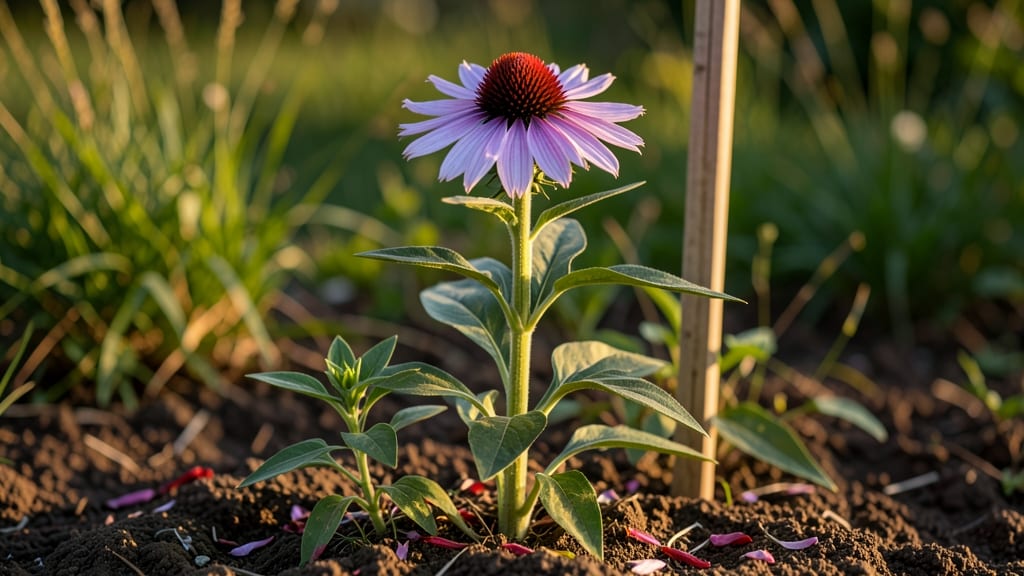
Coneflowers grow anywhere from 1 foot to over 5 feet tall, depending on the variety and how you care for them.
Wondering if coneflowers will tower over your garden or stay neatly contained? Their height varies dramatically by variety—and getting it right means better blooms, less maintenance, and a showstopping display.
For example, the classic Purple Coneflower (Echinacea purpurea) typically reaches 3 to 5 feet, while dwarf varieties like 'White Swan' stay under 2 feet.
Sunlight, soil quality, and spacing all play a role in how tall your 🌼 coneflowers grow. Too much shade or crowded roots can stunt their height, while proper care can encourage them to reach their full potential.
Whether you’re planning a pollinator garden or a border, knowing these details helps you choose the right variety for your space.
Below, I’ll break down exact height ranges by type, share tips to control their growth, and suggest the best varieties for small gardens versus bold landscapes. You’ll leave here with a clear picture of what to expect—and how to shape your coneflowers to fit your vision.


Coneflower height by variety: exact growth ranges for popular types
Coneflowers are one of the most versatile perennials in any garden, but their mature height can vary dramatically depending on the variety. Knowing these exact growth ranges helps you plan perfectly for your space—whether you need compact blooms for containers or tall statement plants for borders.
The classic Purple Coneflower (Echinacea purpurea) typically reaches 3-5 feet, but some varieties stay as short as 1-2 feet, while others soar to 5+ feet.
Height isn't just about aesthetics—it also affects pollinator attraction, wind resistance, and even maintenance needs. For example, taller varieties like 'Magnus' need staking in windy areas, while dwarf types like 'White Swan' thrive in tight spaces.
Let’s break down the exact height ranges for the most popular coneflower varieties so you can choose the perfect fit for your garden design.
🌼 Note: Heights listed are for mature plants (typically 2-3 years old). First-year growth is usually 50-75% of the mature height.
The Purple Coneflower ('Purple Beauty') is the most common variety, standing proudly at 3-5 feet—ideal for back-of-border planting or cut flower arrangements. If you're working with limited space, White Swan is a game-changer, topping out at just 1.5-2 feet while still producing vibrant blooms.
This makes it perfect for containers, window boxes, or rock gardens.
For those who love bold colors, Hot Papaya offers a 2-3 foot height with salmon-pink blooms, while Green Envy (2-3 feet) boasts greenish-yellow petals that stand out in monochromatic gardens.
If you're dreaming of dramatic height, 'Magnus' reaches 4-5 feet, making it a statement plant for large landscapes or wildflower meadows.
Did you know? Coneflower height can be influenced by soil fertility and sunlight exposure. Plants grown in poor soil may stay shorter, while those in rich, well-draining soil with full sun often reach their maximum potential. Always plant taller varieties at the back of beds to avoid shading shorter plants
If your 🌼 coneflowers are reaching heights you didn’t plan for—or worse, flopping over—don’t worry! With the right techniques, you can easily manage their size. The key lies in pruning, spacing, and deadheading, all of which encourage stronger stems and more compact growth. For example, tall varieties like 'Magnus' can be pruned back by one-third in early summer to prevent legginess, while dwarf types like 'White Swan' simply need proper spacing to avoid crowding. Proper spacing is the foundation of height control. Planting tall coneflowers 2 to 3 feet apart gives them room to grow upright, while dwarf varieties thrive with just 1 to 2 feet of space. Overcrowding forces plants to compete for nutrients, often leading to weak stems and floppy blooms. Think of it like giving each plant its own personal bubble—more space = stronger structure. Here’s how to take control of your coneflowers’ height with these proven techniques: For tall coneflowers, I recommend staking them early in the season—before they reach 2 feet tall. Tie the stems loosely to the stakes with soft plant ties to avoid damaging the stems as they grow. This simple step can transform a floppy mess into a neat, upright display that lasts all season. Plus, it’s a great way to highlight their striking blooms without sacrificing natural beauty. If you’re working with dwarf varieties, focus on spacing and deadheading. These compact plants thrive when given enough room to breathe, and regular deadheading keeps them producing fresh blooms instead of putting energy into tall, leggy stems. For example, 'Green Envy' stays under 2 feet when spaced properly, making it perfect for borders or containers. Remember, the goal isn’t to stifle your coneflowers but to guide their growth for a healthier, more vibrant garden. With these techniques, you’ll enjoy taller, stronger stems and longer blooming seasons—all while keeping your garden looking polished and intentional. Happy pruning! ✂️How to control coneflower height: pruning and spacing tips