
Flowers
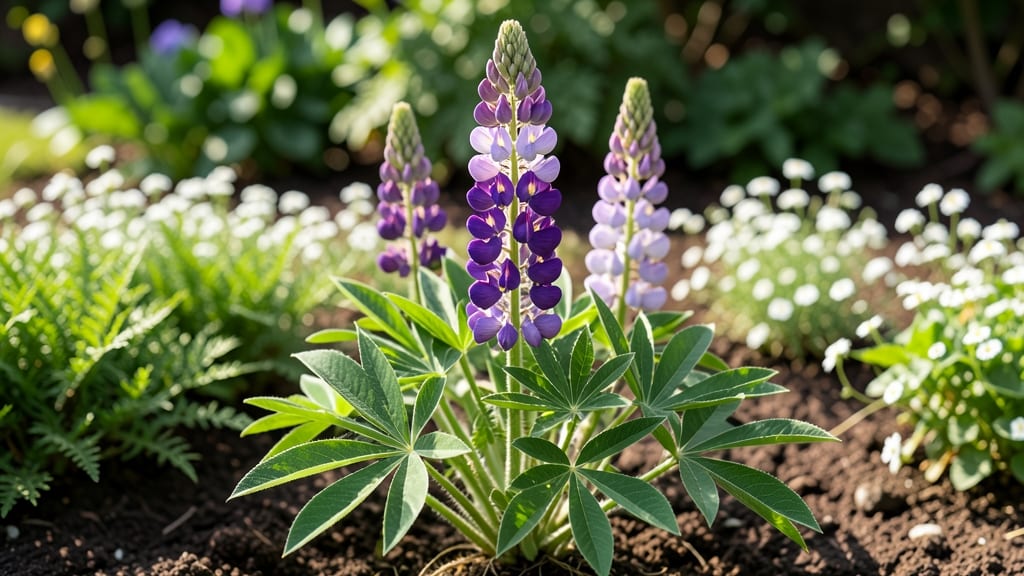
Lupins flower for anywhere from 2 weeks to 3 months, depending on variety, care, and climate—making them a garden showstopper when timed right.
If you’ve ever admired lupins’ striking, colorful spikes but wondered how long their blooms last, you’re not alone. Many gardeners struggle to predict their seasonal performance, especially when planning companion plants or deadheading. Knowing their flowering timeline helps you make the most of their vibrant display.
These spring bloomers thrive in USDA Zone 6a and beyond, with most varieties flowering for 6-12 weeks if given the right conditions. Annual lupins often bloom shorter—around 4-6 weeks—while perennials can extend their show for months with proper care.
Below, I’ll break down how to extend their bloom time, spot common mistakes that cut flowering short, and choose the best varieties for your garden’s climate.
Lupin flowering duration by variety: from 2 weeks to 3 months
Lupins are prized for their dramatic spike-like blooms, but their flowering duration varies wildly by variety. Some annual lupins burst into color for just 2-3 weeks, while perennial varieties like Lupinus polyphyllus can flower for up to 3 months with proper care.
Understanding these differences helps you choose the right lupins for your garden’s seasonal goals.
Climate plays a huge role in bloom length. In cooler regions (USDA Zones 3-6), lupins often flower longer (6-12 weeks) because their growth cycle aligns with shorter summers.
Meanwhile, in hotter climates (Zones 7-9), many varieties bloom shorter (3-5 weeks) unless you provide afternoon shade. Let’s break down the specifics by type.
🌸 Pro Tip: Most lupins bloom in late spring to early summer, but some varieties like Lupinus nootkatensis (blue lupin) can extend into mid-summer with consistent moisture.
Perennial lupins like Lupinus polyphyllus often produce secondary blooms in late summer if you deadhead spent flowers and maintain consistent moisture. In my Zone 5 garden, my purple polyphyllus lupins rebloom for 4-6 weeks after their initial spring display if I fertilize lightly in early summer.
For annual varieties, bloom duration is more predictable but shorter. Lupinus russelianus, for example, typically flowers for just 2-3 weeks in late spring, making it ideal for short-season gardens or containers. If you want longer color, consider interplanting with shorter-lived annuals like sweet peas or snapdragons.
Climate zones also dictate bloom timing. In cooler maritime climates (like the Pacific Northwest), lupins often start flowering earlier (April-May) and extend into June or July. Meanwhile, in hotter inland areas, they may wait until June and fade by early August without proper care.
💡 Key Insight: Perennial lupins in Zone 6 or cooler can sometimes produce third blooms in fall if given a light fertilizer boost in early September. I’ve seen this happen with Lupinus nootkatensis when planted near a morning-sun, afternoon-shade spot.
If you’re planning a lupin-centric garden, choose varieties based on your local frost dates. For example, Lupinus texensis
How to extend lupin blooms: deadheading, fertilizing, and care tips
Lupins reward gardeners with vibrant, long-lasting blooms, but their flowering duration depends heavily on your care routine. With the right techniques, you can extend those showy spikes from 4-6 weeks to 2-3 months or longer.
The key lies in understanding when and how to deadhead, fertilize, and adjust care throughout the growing season.
Most gardeners focus on deadheading, but lupins also need balanced nutrition and proper watering to keep producing flowers. For example, my Lupinus polyphyllus plants in USDA Zone 6a bloom for 8 weeks when I follow a strict care schedule. Let’s break down the steps to maximize your lupins’ flowering potential.
- Step 1
- Step 2
- Step 3
- Step 4
- Step 5
Remove spent flower spikes every 7-10 days to prevent seed formation. This redirects energy to new blooms. Use clean pruning shears and cut just above the first set of leaves.
Use a 5-10-10 NPK fertilizer every 4-6 weeks during active growth. Lupins thrive with high phosphorus to support flower production. Apply in early morning to avoid leaf burn.
Test soil pH and aim for 6.0-7.0. Lupins prefer slightly acidic to neutral soil. Amend with lime if pH drops below 6.0, or sulfur if above 7.5.
Provide 1 inch of water weekly, more in hot, dry spells. Water at soil level to avoid wetting foliage, reducing fungal diseases. Mulch with 2-3 inches of organic matter to retain moisture.
After flowering, trim perennial lupins back by half their height in late fall or early spring. This encourages new growth and prevents winter dieback.
Don’t forget to monitor for pests like aphids, which can weaken plants and shorten bloom time. A neem oil spray applied every 2-3 weeks keeps them at bay while being pet-safe. My lupins in full sun consistently rebloom when I follow these steps.
With these techniques, your lupins will flourish longer and create a stunning garden focal point from early summer through fall. The secret is consistency—deadhead, fertilize, and adjust care as seasons change. 🌸