
Blooming
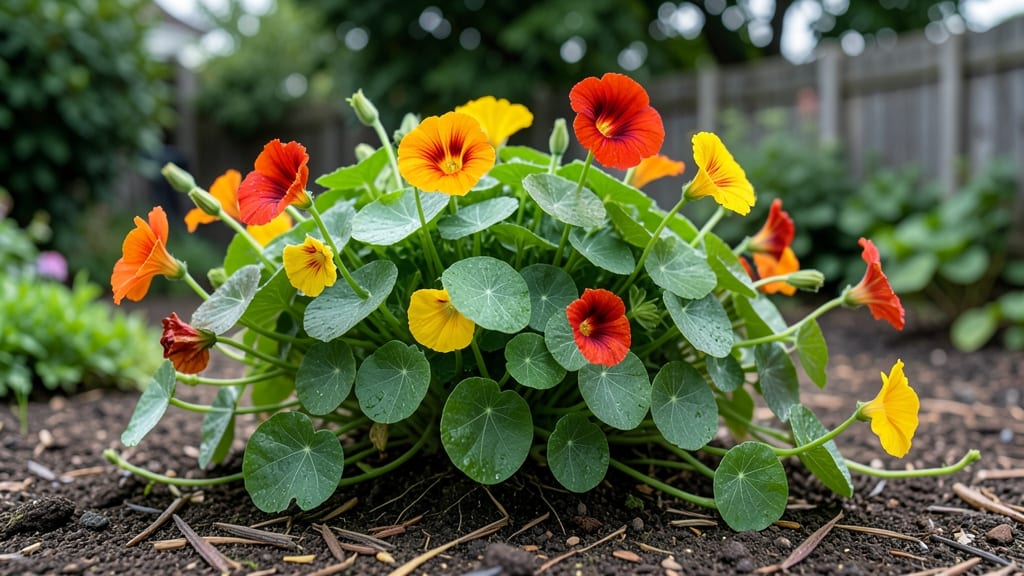
Nasturtiums flower in as little as 6-8 weeks from seed, turning spring gardens into bursts of color 🌸—but the timing depends on when you plant and where you live.
If you’re dreaming of vibrant blooms that burst with color in just weeks, nasturtiums could be your secret weapon—but timing is everything. These fast-growing flowers defy expectations by blooming in as little as 6-8 weeks from seed, but their peak seasons depend on your climate and planting strategy.
In USDA Zone 6a, sow seeds in early spring (March–April) for blooms by late May, with some varieties producing a second flush in fall. Warmer climates may see flowers as early as April, while cooler regions might wait until June.
Below, I’ll break down the month-by-month timeline, plus pro tips to extend those bold blooms all season—no matter your zone.
Nasturtium flowering timeline: month-by-month growth stages
Nasturtiums are one of the fastest flowers to bloom, rewarding gardeners with bright orange, red, or yellow blossoms in just 6-8 weeks from seed. Their growth stages follow a predictable pattern, but your planting time and climate zone shift the timeline dramatically.
In USDA Zone 6a, for example, spring-planted seeds often flower by late May to June, while fall sowings may bloom as early as April of the following year.
For gardeners in warmer climates (Zones 8-10), nasturtiums can bloom year-round with proper care, while cooler zones (3-5) see shorter flowering seasons unless you use season extenders like row covers. The key to maximizing blooms lies in understanding these month-by-month milestones and adjusting for your local frost dates.
| Stage | Spring Planting (Zone 6a) | Fall Planting (Zone 6a) | Warm Climates (Zones 8-10) | Key Notes |
|---|---|---|---|---|
| Seed Sowing | March–April (after last frost) | August–September (6-8 weeks before first frost) | September–October or February–March | Direct sow 1/2 inch deep; no transplanting needed. |
| First Leaves | 3–4 weeks after sowing | 3–4 weeks after sowing | 2–3 weeks after sowing | Thin seedlings to 10–12 inches apart for bushier plants. |
| Bud Formation | 5–6 weeks after sowing | 6–7 weeks after sowing | 4–5 weeks after sowing | Bud color deepens 10–14 days before opening. |
| First Blooms | 6–8 weeks after sowing (late May–June) | 8–10 weeks after sowing (April–May) | 5–7 weeks after sowing (November–December or March–April) | Peak blooms occur when days are 14–16 hours long. |
| Full Bloom | June–July (4–6 weeks of peak color) | May–June (3–4 weeks of peak color) | Year-round with succession planting | Deadhead spent blooms to encourage reblooming. |
| Second Bloom (Fall) | August–September (if temperatures stay mild) | Not typical (fall-planted blooms fade by winter) | September–October (with fall sowing) | Cool nights trigger fall reblooming in most varieties. |
| Seed Production | July–August (if flowers aren’t deadheaded) | June–July (if flowers aren’t deadheaded) | Year-round in tropical climates | Save seeds from healthiest plants for next year. |
If you’re planting nasturtiums in spring (Zone 6a), expect the first buds to appear in late May, with full blooms by early June. The peak flowering period typically lasts 4–6 weeks, but you can extend this by deadheading spent blooms regularly.
This simple task tricks the plant into producing more flowers instead of seeds, giving you continuous color through July and August.
For a fall bloom show, sow seeds in late summer (August–September). These plants will overwinter in mild climates and burst into flowers as early as April. In cooler zones
How to extend nasturtium blooms: season-long flowering tips
Once you’ve got those vibrant nasturtium blooms appearing in 6-8 weeks, the real magic happens when you learn how to keep them coming. These cheerful flowers don’t just stop at their first flush—they can reward you with continuous blooms all season if you use the right tricks.
The key lies in understanding their growth habits and giving them the care they crave.
Nasturtiums are self-pollinating annuals that thrive on neglect but respond beautifully to a little attention. Unlike some finicky flowers, they’re forgiving, but they do have preferences—like regular deadheading and well-draining soil—that can turn a single burst of color into a season-long display.
Let’s dive into the proven methods that’ll keep your nasturtiums blooming until frost.
🌸 5 Proven Ways to Extend Nasturtium Blooms
- 1
- 2
- 3
- 4
- 5
One common mistake gardeners make is ignoring soil health. Nasturtiums prefer poor, sandy soil—too much richness can lead to leafy growth over blooms. Amend your beds with compost or perlite to ensure drainage, and avoid heavy clay.
If your soil is compacted, consider growing them in containers with cactus mix for optimal results.
For trailing varieties like ‘Mascotte’, prune leggy stems by one-third in early summer to encourage bushier growth and more flowers. This works wonders for hanging baskets or window boxes, where you want a dense, cascading display. Just be sure to use sterilized shears to prevent disease spread.
If your nasturtiums start bolting or fading early, it’s often a sign of heat stress or overcrowding. Provide afternoon shade in hot climates and thin seedlings to 12 inches apart for better airflow. A light mulch of straw helps retain moisture and keeps roots cool.
With these strategies, you’ll enjoy nasturtium blooms from early summer until frost—and maybe even a surprise second flush in fall if temperatures stay mild. The secret? Stay consistent with care, and your plants will reward you with bold, long-lasting color all season long. 🌿