
Flowers
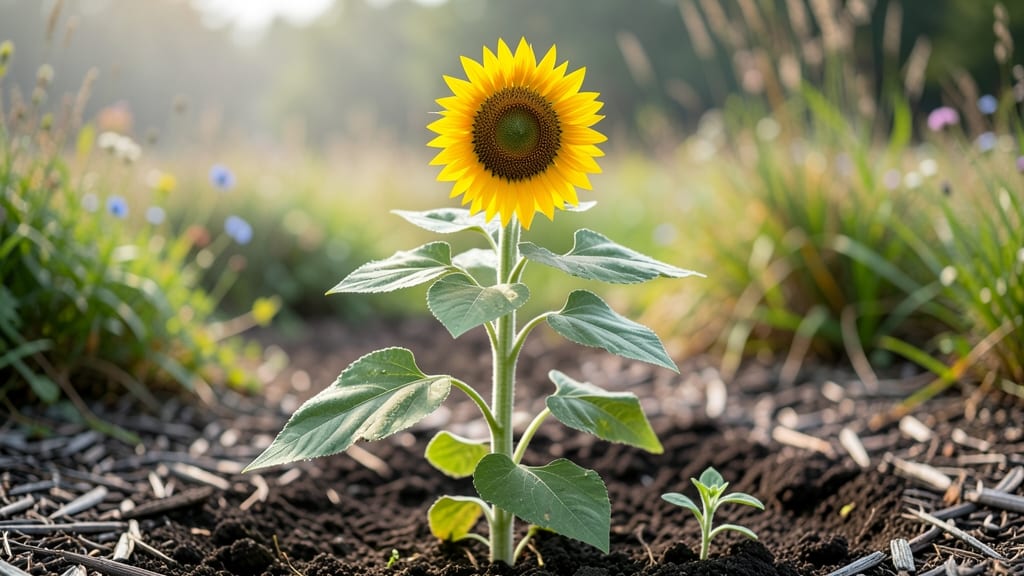
Sunflowers take anywhere from 50 to 120 days to bloom, depending on the variety and growing conditions—so your patience will either be rewarded with towering 🌻 faces by summer or left waiting for what feels like forever.
Picture this: you’ve just tucked those seeds into the soil in early spring, dreaming of golden blooms by July. But then life happens—unexpected rain, cooler-than-usual nights, or maybe you planted a giant variety without realizing it would take twice as long.
The truth is, even the fastest sunflowers need at least 50 days to show off their cheerful faces, while some towering types won’t bloom until late summer.
What’s the secret to getting those blooms faster? It’s not just about the variety—soil warmth, sunlight hours, and even how deep you plant those seeds can shave weeks off your wait time.
In USDA Zone 6a, where spring can drag on, timing your planting just right (after the last frost) makes all the difference between a July explosion of color and a September disappointment.
In this guide, I’ll break down the exact bloom timelines for dwarf, semi-dwarf, and giant sunflowers, plus the 5 critical factors that speed up—or delay—those blooms.
You’ll also learn when to plant for peak summer color in your zone and how to troubleshoot if your sunflowers are taking longer than expected.
Sunflower bloom times by variety: fastest to slowest-growing types
If you've ever planted sunflowers hoping for instant summer cheer, you know the wait can feel endless. The truth? Some varieties bloom in as little as 50 days, while others take 120+ days to show off their golden faces.
The difference often comes down to whether you're growing a dwarf variety like 'Teddy Bear' or a giant heirloom like 'Russian Giant'. Even the fastest sunflowers need warm soil and consistent sunlight to reach their bloom potential.
I've grown everything from commercial hybrids to heirloom varieties, and the timeline differences are staggering. A Mammoth Russian might not bloom until late August, while a Sunspot dwarf could be in full flower by early July.
The key is matching your variety to your growing season—especially in cooler climates where late starts can delay blooming by weeks.
Here's what you need to know: Dwarf varieties (2-4 ft tall) typically bloom fastest, while giant types (10+ ft) take the longest. Even within categories, there's variation—some semi-dwarf varieties bloom in 60-70 days, while others drag out to 90 days.
The table below breaks down the exact bloom timelines for 10 popular varieties, so you can plan your garden for maximum impact.
The fastest bloomers like Sunspot and Sunrich Orange are perfect if you're craving instant summer color. These dwarf varieties reach their peak in just 50-55 days, making them ideal for container gardens or late-season plantings.
I've used them in my USDA Zone 6a garden to extend the bloom season well into September when planted in early July.
For those who love dramatic height,
5 Critical factors that speed up or delay sunflower blooming
Sunflowers are fast growers, but their bloom timeline can vary dramatically based on your growing conditions. While some varieties bloom in as few as 50 days, others take nearly 120 days—and the difference often comes down to these five factors.
Understanding them lets you accelerate blooms or adjust expectations when delays happen.
Think of your sunflowers like a race car: the right fuel (soil nutrients), proper tires (watering consistency), and a clear track (sunlight exposure) make all the difference.
Even a 5°F temperature drop can slow growth by 10-30%, turning a 60-day bloom into an 80-day wait. Let’s break down each factor and how to optimize them for faster, happier sunflowers.
-
1. Temperature
Ideal: 70-85°F | Below 60°F slows growth by 30% -
2. Sunlight Hours
Minimum: 6-8 hours/day | 10+ hours cuts bloom time by 15-20 days -
3. Soil Quality
pH: 6.0-7.5 | Phosphorus-rich soil speeds root development by 25% -
4. Watering Frequency
Deep water 2-3x/week | Inconsistent watering adds 10-14 days to bloom time -
5. Planting Depth
Optimal: 1 inch deep | Too shallow (>0.5") causes slow germination
Let’s start with temperature, the most unpredictable factor. Sunflowers thrive in warm soil—ideal germination happens when soil temps reach 70°F or higher.
If you’re in USDA Zone 5 or cooler, wait until late May or early June to plant; cooler springs delay blooms by 2-4 weeks. Use a soil thermometer to check—if it’s below 60°F, growth slows dramatically.
Next, sunlight hours directly impact how quickly your sunflowers mature. While 6-8 hours/day is the minimum, giving them 10+ hours of full sun can cut bloom time by 15-20 days.
If your garden gets afternoon shade, consider planting dwarf varieties like 'Teddy Bear' (60 days to bloom) instead of giants like 'Russian Giant' (120+ days). South-facing beds are your best bet for maximizing sunlight exposure.
Don’t overlook soil quality, especially phosphorus levels. Sunflowers need phosphorus (P) for root and flower development, and soil tests often show deficiencies in garden beds. Amend your soil with bone meal or compost before planting—this can speed up root growth by 25% and reduce bloom time.
Aim for a pH between 6.0-7.5; acidic soil (below 6.0) stunts growth.
Watering might seem simple, but inconsistent moisture is a top cause of delayed blooms. Sunflowers need deep, infrequent watering—about 1-1.5 gallons per plant every 2-3 days during dry spells.
Shallow watering encourages weak roots, which can add 10-14 days to the bloom timeline. Water in the morning to reduce evaporation and fungal risks like powdery mildew.
Finally, planting depth affects germination speed. Plant seeds 1 inch deep—any shallower (0.5 inches) risks drying out, while deeper planting (>1.5 inches) can delay sprouting. Use a seed starter kit if your soil is cold or rocky.
Once sprouted, thin seedlings to 6-12 inches apart (depending on variety) to avoid competition, which also slows bloom time.