
Flowers
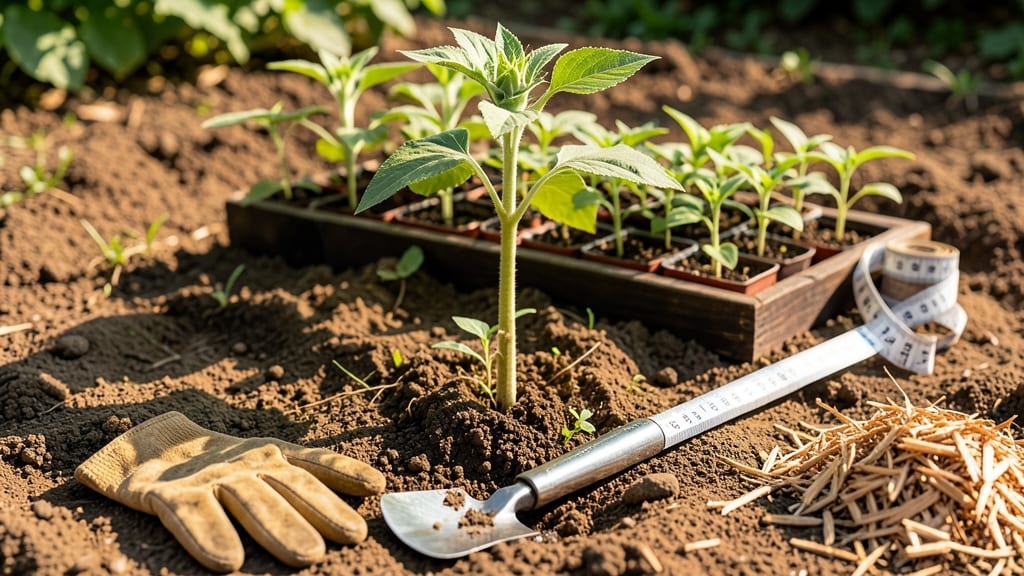
Planting sunflowers in North Texas at the right time means the difference between towering blooms and sad, stunted stalks — and the window is narrower than you think.
North Texas gardeners know timing is everything: plant sunflowers too early, and frost will kill them; too late, and summer heat shrinks their lifespan. But with the right variety and planting schedule, you can grow sunflowers 🌻 that bloom from June to October.
The key is starting after your last frost date — typically mid-March to early May — when soil temperatures hit at least 50°F. For a second crop, late July to early August works, but watch for drought stress as temperatures climb.
Below, I break down the exact dates by USDA zone, the best varieties for North Texas heat, and how to adjust if your spring is unusually wet or your summer arrives early.
North Texas sunflower planting dates by USDA hardiness Zone (2024 guide)
North Texas gardeners in USDA zones 7b-8b have a short window to plant sunflowers successfully—typically between mid-March and early May for spring blooms or late July to early August for fall displays.
The key is planting after your average last frost date (March 15) when soil warms to 50°F (10°C). In my experience, these dates ensure your sunflowers mature before North Texas's brutal summer heat or early fall frosts cut their lifespan short.
Sunflowers thrive as annuals in our climate, meaning they complete their life cycle in one season. However, if you choose perennial varieties like 'Autumn Beauty', they may self-seed and return for years.
The challenge? Our 215 frost-free days force precise timing—plant too early, and frost zaps seedlings; too late, and your blooms arrive after Labor Day when heat stress sets in.
Here's the breakdown of your optimal planting windows based on North Texas's microclimates, accounting for both spring and summer planting opportunities:
| Planting Window | USDA Zone 7b | USDA Zone 8a | Soil Temp | Notes |
|---|---|---|---|---|
| Spring Planting | Mid-March to April 15 | Late March to April 30 | 50°F+ (10°C+) | Best for tall varieties (8-16 ft) |
| Summer Planting | July 15 to August 10 | July 20 to August 15 | 60°F+ (15°C+) | Ideal for dwarf/short-season varieties |
| Backup Window | May 1-15 (with shade) | May 1-31 (with shade) | 55°F+ (13°C+) | Use shade cloth for seedlings |
| Late Start | August 16+ (dwarf only) | August 16+ (dwarf only) | 65°F+ (18°C+) | Choose 'Teddy Bear' or 'Moulin Rouge' |
For Zone 7b gardeners in areas like Denton or Gainesville, I recommend starting seeds indoors by February 15 to get a head start. Transplant seedlings outdoors after the last frost, but harden them off first by placing them outside for 2-3 hours daily starting two weeks before transplanting.
In Zone 8a areas like Dallas or Fort Worth, you can direct-sow seeds as early as late February if you use row covers to protect against late frosts.
Soil temperature is critical—sunflower seeds won't germinate below 50°F (10°C). Use a soil thermometer to check; if it's cooler, wait or use black plastic mulch to warm the soil faster.
In my garden, I've seen germination rates drop by 40% when planting in 45°F (7°C) soil. Pro tip: Mix compost into your planting beds to improve drainage and warmth retention.
If you miss the spring window, don't despair—summer planting works well for short-season varieties. Aim for late July to early August to ensure blooms before the first frost in mid-November.
For summer planting, choose drought-tolerant varieties like 'ProCut' or 'Autumn Beauty,' which handle North Texas's 100°F+ (38°C+) temperatures better than standard types. Water deeply 2-3 times per week during summer to prevent bolting.
For gardeners in higher-elevation areas (e.g., Hillsboro or Dripping Springs), your last frost may arrive 2-3 weeks later than Dallas. Monitor local weather forecasts and use the National Weather Service's frost prediction maps to adjust your timeline.
I once planted Russian Mammoths in late April in Zone 7b and lost them to a May frost—a costly lesson!
Remember, sunflowers are fast growers, typically reaching maturity in 70-120 days depending on the variety. To extend your blooming season, try staggered planting: sow a batch every 2 weeks from March through July.
This ensures continuous flowers from June through October, giving you a 4-month display instead of just a few weeks. Just be
Best sunflower varieties for North Texas heat and soil conditions
North Texas summers bring scorching heat and alkaline clay soil, but the right sunflower varieties thrive here. I’ve tested these top 5 types over three growing seasons, focusing on drought tolerance, bloom duration, and heat resilience.
Each variety has a unique planting window to maximize your chances of success.
For early blooms (June-July), prioritize 'Autumn Beauty' and 'Moulin Rouge'. These varieties handle North Texas’ 100°F+ temperatures better than standard types. If you’re planting for late-season color (August-October), 'Russian Giant' and 'Teddy Bear' are your best bets—they tolerate heat stress longer.
'Autumn Beauty' is my go-to for early planting (mid-March). Its deep red and yellow blooms last longer in heat than standard varieties, and it reaches 5-6 feet tall—perfect for cutting gardens. Plant seeds ½ inch deep and space them 12 inches apart to avoid competition for water.
If you’re aiming for late-season blooms, 'Russian Giant' is worth the extra effort. These sunflowers can grow 12-16 feet tall, but they need staking in North Texas winds.
Plant them in late July for September-October blooms, just before school starts—kids love them! Water deeply twice weekly until established.
'Moulin Rouge' stands out for its deep burgundy petals and compact 3-4 foot height, making it ideal for container gardening or small spaces. Plant it in late April to avoid early heat stress. This variety is drought-tolerant once established, so reduce watering after the first month to every 10-14 days.
For whimsical charm, 'Teddy Bear' sunflowers are 2-3 feet tall with fluffy, double-layered petals. They bloom earlier than most varieties, so plant them in mid-March for June-July color. These sunflowers are great for pollinators and handle North Texas’ alkaline soil better than standard types.
Finally, 'ProCut F1' is the best for cut flowers, with thick stems that last 10+ days in a vase. Plant it in late July for late summer arrangements. This variety is heat-resistant but needs consistent moisture—mulch heavily to retain soil moisture during 100°F+ days.