
Blooming
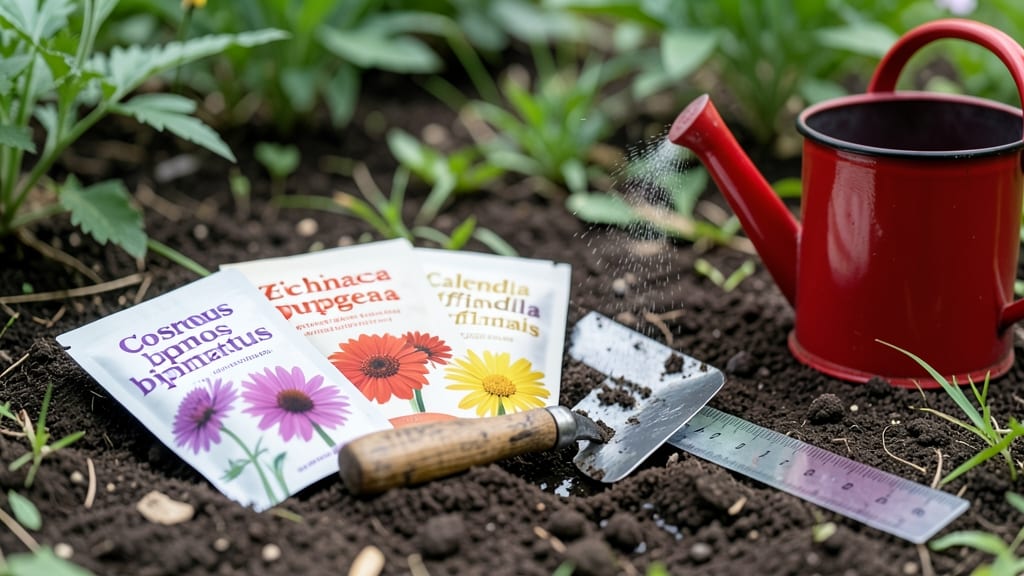
Wildflowers to sprout takes anywhere from 5 to 30 days, depending on the species, soil warmth, and your region’s climate—so patience is key, but the right prep can make all the difference.
Picture this: you’ve scattered your 🌼 seeds in early spring, dreaming of a meadow bursting with color, only to stare at bare soil for weeks. That frustration? It’s often avoidable with a few simple tweaks to moisture, sunlight, and seed prep.
Some wildflowers, like poppies, pop up in as little as 5 days when conditions are perfect, while others, such as black-eyed Susans, may take 3 weeks or more. The secret lies in understanding your local frost dates, soil temperature, and even how deep you plant them.
Below, I’ll break down the exact germination timelines by seed type, plus 5 proven tricks to speed up sprouts—so you can enjoy that first burst of color sooner than you think.
Wildflower germination timeline: when to expect sprouts by seed type
Wildflower seeds don’t all sprout at the same speed—some pop up in 5-7 days, while others take 3-4 weeks or longer. The difference often comes down to whether you’re growing annuals like cosmos or perennials like black-eyed Susans.
Even within the same species, climate zone and soil temperature can shift your timeline by weeks.
For example, cosmos seeds often sprout in 7-14 days when soil temps hit 60°F+, while poppy seeds may take 2-3 weeks to break through stubborn seed coats. Perennials like coneflowers can be even slower, sometimes waiting 30+ days for ideal conditions.
Understanding these ranges helps you set realistic expectations and avoid prematurely digging up "failed" seeds.
Here’s the key: cool-season wildflowers (like lupines) germinate faster in spring or fall when soil is 50-60°F, while warm-season types (like sunflowers) need 70°F+ to wake up.
Your USDA hardiness zone also plays a role—gardeners in Zone 5 might see slower sprouting than those in Zone 8.
If you’re planting in spring, aim for late March or April in most zones to align with soil warming. For fall plantings, August or September works best—seeds get a head start before winter dormancy.
Pro tip: Use a soil thermometer to monitor temps; most wildflowers need consistent warmth (not just occasional heat spikes) to germinate reliably.
Patience is key, especially with perennials. Some, like goldenrod, may take up to 60 days to sprout because their seeds require light exposure to trigger germination. If you’ve planted in well-prepared soil with the right moisture, wait 4–6 weeks before assuming failure.
Mark your planting spots with toothpicks or stakes to avoid disturbing the area.
Climate zone matters more than you might think. In Zone 5, for instance, cosmos seeds might not sprout until late May due to cool spring soils, while in Zone 9, they could appear in early April.
Always check your last frost date and adjust planting times accordingly—6 weeks before frost is a safe rule for spring sowing.
One common misconception is that larger seeds always sprout faster. Actually, tiny wildflower seeds (like baby blue eyes) often germinate
5 Proven soil and light tricks to speed up wildflower germination
If your wildflower seeds seem stuck in germination limbo, don’t blame the timing—blame the conditions. Most gardeners overlook how soil texture and light exposure can shave weeks off your wait.
For example, cosmos seeds often sprout in 7-14 days with ideal prep, but poor soil contact can stretch that to 3 weeks or more.
Lightweight, airy soil is your secret weapon. Wildflowers thrive in well-draining mixes that mimic their natural meadow habitats. Heavy clay or compacted soil suffocates seeds, while a 50/50 blend of topsoil and compost creates the perfect crumbly texture.
Even a thin layer of sand or perlite can improve drainage for faster sprouting.
🌱 Speed Up Germination: 5 Proven Tricks
- 1. Prep seeds with scarification—scratch or nick hard seed coats (like poppy or lupine) to mimic natural weathering and trigger faster hydration.
- 2. Use a lightweight soil mix—amend with peat moss or coconut coir to retain moisture while allowing airflow to seeds.
- 3. Stratify cold-weather seeds—place perennial seeds in a damp paper towel in the fridge for 2-4 weeks to break dormancy.
- 4. Keep soil consistently moist—use a spray bottle to mist seeds daily until sprouts appear (avoid drowning them!).
- 5. Place trays in bright, indirect light—warmth speeds germination, but direct sun can dry out soil too quickly before sprouts emerge.
Sunlight plays a dual role—too little delays growth, while intense afternoon heat can scorch tiny seedlings. For fastest results, place seed trays in a south-facing window or under grow lights set to 12-14 hours/day. If outdoors, use shade cloth (30-50%) during peak sun to protect delicate sprouts.
Pro tip: Warm soil germinates seeds faster. Lay black plastic mulch over prepared beds for 1-2 weeks before sowing to raise soil temps by 10-15°F. This trick works wonders for late-spring plantings when chilly nights slow growth. Just remove the mulch once seeds sprout to prevent overheating.
Finally, don’t overcrowd seeds. Thin seedlings to 6-12 inches apart once they have 2 true leaves—this reduces competition for nutrients and light, helping each plant grow stronger and faster. A little elbow room now means bigger blooms later.
With these tricks, you’ll see those first 🌱 green shoots in as little as 5-10 days for fast germinators like lupine or sweet alyssum, cutting your wait time nearly in half. Happy planting!