
Flowers
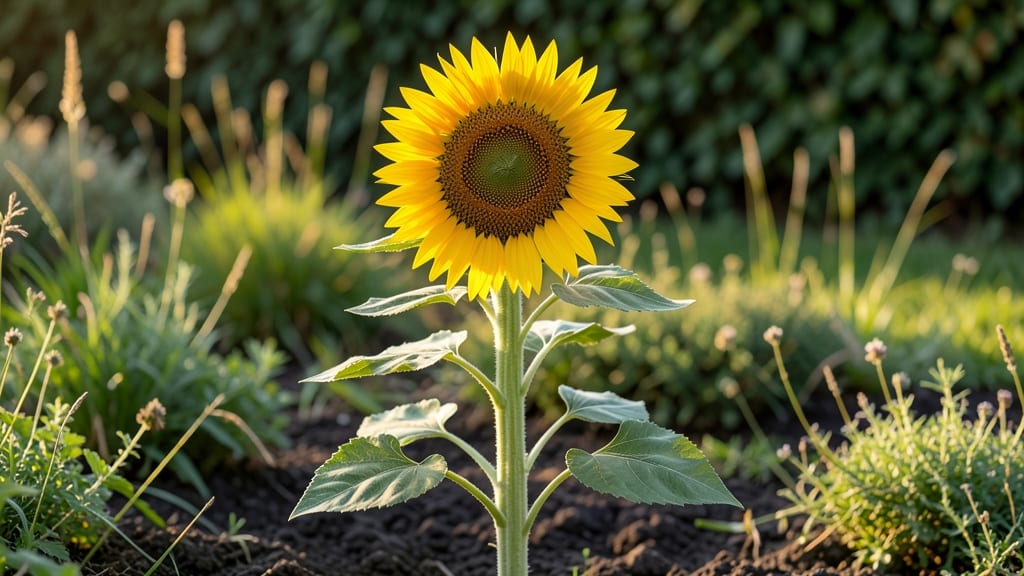
How tall are sunflowers? They grow to heights that range from just a few feet to over 12 feet, depending on the variety you choose—making them one of the most dramatic plants in the garden.
Imagine a sunflower 🌻 reaching higher than your doorframe or casting a shadow over your patio. That’s not a fantasy—it’s a reality for gardeners who pick the right type. But not all sunflowers are created equal: some stay compact for small spaces, while others stretch skyward like living skyscrapers.
Whether you’re working with a balcony garden or a sprawling backyard, knowing the height of your sunflower variety is the key to planning. Too tall for your space?
No problem—there are dwarf options that still pack a punch. Too short for your vision? Giant varieties can turn your garden into a sunflower skyline.
In this guide, I’ll break down the exact heights of popular sunflower types, the factors that influence their growth, and how to pick the perfect variety for your garden—no matter how big (or small) it is.


Sunflower height ranges by variety: from dwarf to giant
When I first started growing sunflowers, I was amazed by how dramatically their heights could vary—from tiny dwarf varieties perfect for containers to mammoth sunflowers that dwarf even the tallest gardeners.
The height of your sunflowers isn't just about aesthetics; it affects your garden layout, pollinator support, and even how you harvest those iconic seed heads. Let's break down the exact height ranges you can expect from the most popular varieties, along with their growth habits and ideal conditions.
Sunflower heights typically fall into four main categories: dwarf (1-3 feet), semi-dwarf (3-5 feet), standard (6-12 feet), and giant/mammoth (12+ feet). The variety you choose will determine whether your sunflowers become a charming border plant, a dramatic focal point, or even a living trellis for climbing plants.
Each category also has specific care requirements to reach its full potential height.
The 'Teddy Bear' sunflower is one of my favorite dwarf varieties, reaching just 1-2 feet tall with double blooms that look like pom-poms. These are perfect for container gardening or adding height to window boxes without overwhelming smaller spaces.
They also produce edible seeds, though the yield will be smaller than taller varieties. For maximum bloom production, I always deadhead spent flowers to encourage more blooms throughout the season.
Moving up to semi-dwarf varieties, you'll find options like 'Autumn Beauty', which grows to about 4-5 feet tall and produces multi-colored petals that change as they mature.
These are excellent choices for cut flower gardens because they're tall enough to create height but not so massive they require staking. I've found that semi-dwarfs thrive in well-draining soil with a pH between 6.0-7.5, which is easy to test with a simple soil kit.
When I planted my first standard sunflower, the 'Mammoth Russian' variety, I was stunned by how quickly it grew—reaching 10 feet in just 80 days. This variety is a classic for good reason: it produces huge seed heads perfect for bird feeders or pressing.
The key to growing these tall varieties successfully is providing sturdy support. I always use bamboo stakes tied to the main stem every 2 feet to prevent them from toppling in wind or rain.
For the true giants, 'Giant Russian' sunflowers can reach 14-15 feet tall, making them living skyscrapers in any garden. These are best suited for large open spaces where they can grow unimpeded.
I planted one last summer and was amazed when it finally reached maturity—it required extra phosphorus fertilizer to support its rapid vertical growth. Remember, these varieties need plenty of space between plants (at least 2 feet apart) to prevent overcrowding and disease.
All sunflowers, regardless of height, share some basic care requirements to reach their full potential. They all need at least
How to choose the right sunflower height for your garden
Choosing the right sunflower height for your garden isn’t just about aesthetics—it’s about creating a space that works for your needs. If you’re dreaming of a dramatic backyard skyline, towering varieties like Mammoth sunflowers (up to 15 feet!) will steal the show.
But if you’re working with a small balcony or container garden, dwarf varieties (1-3 feet) can thrive just as beautifully without overwhelming your space.
Your decision should balance space constraints, pollinator support, and your personal style. For example, tall sunflowers attract birds and bees from a distance, while shorter varieties might be better for cutting or edible seed production.
Let’s break down how to match your garden’s needs to the perfect sunflower height.
- 1-3 ft: Dwarf varieties like 'Teddy Bear' or 'Moulin Rouge'—ideal for containers or small gardens. Perfect for cutting flowers and pollinator-friendly.
- 3-5 ft: Semi-dwarf types such as 'Autumn Beauty'—great for border planting or pollinator gardens. Balances height and accessibility.
- 6-12 ft: Standard varieties like 'Russian Giant'—best for backyard focal points or cutting gardens. Needs staking in windy areas.
- 12-15 ft: Giant/mammoth types like 'Mammoth Russian'—dramatic for large spaces or photography. Requires deep, fertile soil and support.
Before planting, consider your local climate. Sunflowers in cooler regions may grow shorter due to less sunlight, while hot climates can push them toward their maximum height. For example, in USDA Zone 5, tall varieties might reach only 80% of their potential height compared to Zone 9.
Always check your seed packet for mature height estimates and adjust expectations accordingly.
Soil quality also plays a role—nutrient-rich, well-draining soil helps sunflowers reach their full height potential. If your garden has clay-heavy soil, amend it with compost to prevent stunted growth.
For tall varieties, add support stakes early (before they reach 3 feet) to avoid flopping in storms or heavy rains.
Avoid these common mistakes: planting tall sunflowers too close to power lines, ignoring wind exposure (which can snap stems), or overcrowding (which reduces airflow and increases disease risk). For pollinator gardens, mix heights—tall varieties attract bees from afar, while shorter ones provide easy landing spots.
Ready to pick your perfect sunflower? Start by measuring your space, then match it to the height ranges above. Whether you’re aiming for a whimsical cottage garden or a modern vertical display, there’s a sunflower height that’s just right for you. Happy planting! 🌻