
How To
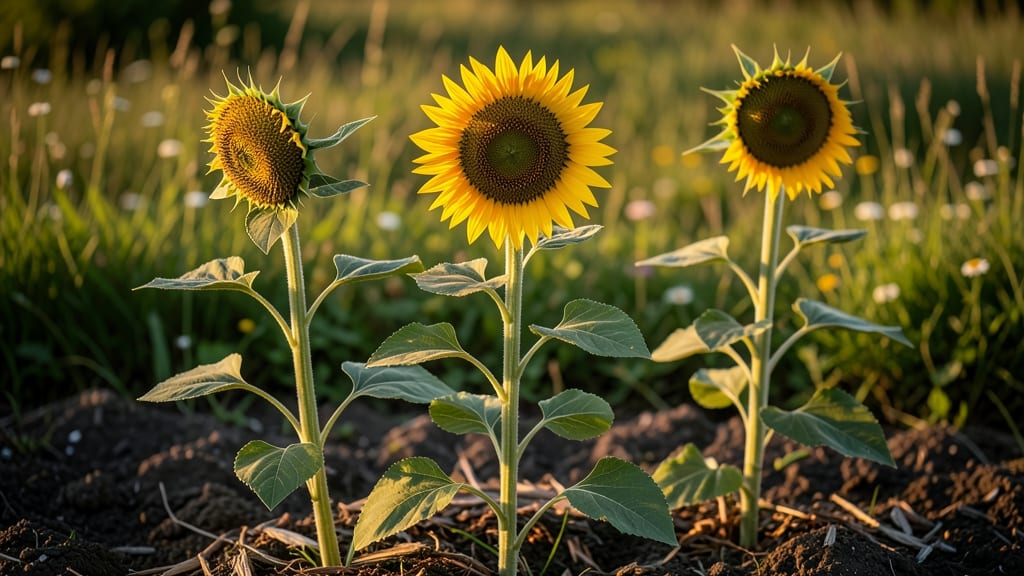
How tall does a sunflower grow? The height can range from just 3 feet to towering over your fence at 16 feet, depending on the variety and care you give it.
If you’ve ever planted one and wondered whether it’ll reach for the sky or stay neatly tucked in your garden bed, the answer depends on more than just luck.
Some varieties are bred to stay short and compact, while others stretch taller than a basketball hoop, making them a statement piece in any landscape.
Understanding the differences between dwarf and giant sunflowers helps you choose the perfect type for your space. Whether you’re dreaming of a cut-flower bouquet or a bird-friendly snack, the right variety can transform your garden into a vibrant display.
Below, we’ll break down the height ranges of popular sunflowers, the factors that influence their growth, and practical tips to support those sky-high varieties—so you can plan your garden layout with confidence.


Sunflower height by variety: dwarf to giant size comparison
Sunflowers are one of nature’s most dramatic plants, with heights ranging from tiny patio-friendly dwarfs to towering giants that rival small trees. The variety you choose determines not just how tall your sunflower will grow, but also its bloom time, seed production, and even its garden placement.
Whether you’re dreaming of a whimsical pollinator garden or a grand statement piece, understanding these height differences is key to success.
Most sunflowers fall into three broad categories: dwarf (1–3 ft), semi-dwarf (3–6 ft), and standard/giant (8–16 ft). The Mammoth variety, for example, can reach heights of 12–15 ft, while Teddy Bear varieties stay cozy at 3–5 ft.
Even within these categories, growth rates vary—some dwarf varieties mature in 60 days, while giants take 120 days or more to reach their full potential.
Here’s a quick visual guide to help you visualize the differences before diving into the specifics. Notice how even the smallest varieties can still produce large, vibrant blooms—perfect for containers or small gardens.
| Variety | Height Range | Best For | Days to Mature |
|---|---|---|---|
| Teddy Bear | 3–5 ft | Containers, small gardens, pollinators | 60–70 days |
| Little Becka | 2–3 ft | Balconies, cut flowers, children’s gardens | 55–65 days |
| Moulin Rouge | 3–5 ft | Cut flowers, borders, pollinator gardens | 65–75 days |
| Russian Giant | 10–14 ft | Large gardens, bird feeders, dramatic focal points | 100–120 days |
| Mammoth | 12–15 ft | Open fields, art installations, tall hedges | 110–130 days |
| Autumn Beauty | 5–6 ft | Cut flowers, succession planting, pollinators | 70–80 days |
| ProCut | 4–5 ft | Floral arrangements, bouquets, long vase life | 60–70 days |
The dwarf varieties like Teddy Bear and Little Becka are ideal for gardeners with limited space, such as balconies or patio containers. These sunflowers thrive in 5-gallon pots and can even be grown indoors near a south-facing window.
Their compact size makes them perfect for pollinator gardens, as bees and butterflies can easily access the nectar-rich blooms.
On the other end of the spectrum, giant varieties like Russian Giant and Mammoth are built for open spaces and require sturdy support to prevent toppling in wind or rain. These towering plants can attract birds for seed feasting and make stunning focal points in large gardens.
If you’re growing them for cut flowers, opt for Autumn Beauty or ProCut, which offer a balance of height and vase life.
Growth rates also play a role in your planning. Dwarf varieties often mature in 60–70 days, making them great for short-season gardens or succession planting.
In contrast, giant sunflowers take 100–130 days to reach their full height, so they’re best suited for longer growing seasons in USDA Zones 6–10. Even within the same variety, soil quality and sunlight exposure can influence height—poor soil or shady conditions may stunt growth by up to 30%.
For small gardens, consider Moulin Rouge or ProCut, which offer medium height and long-lasting blooms. These varieties are versatile enough for borders or cutting gardens but won’t overwhelm a backyard space.
If you’re aiming for a whimsical, child-friendly garden, Teddy Bear sunflowers are a hit—their soft, velvety petals and manageable size make them a safe and fun choice for little helpers.
Factors that influence sunflower height beyond variety
While choosing the right sunflower variety sets the baseline for height, your growing conditions can push those numbers up or down dramatically. Even the same seeds may produce 3-foot dwarfs in shady spots or 12-foot giants with perfect care.
Let’s explore the key factors that determine whether your sunflowers will reach for the sky or stay compact.
Sunflowers are sun-worshippers, and their height depends heavily on how much sunlight they receive. While most varieties thrive in full sun (6+ hours daily), even slight shading can stunt growth. In partial shade, expect heights reduced by 20-40%, while full sun exposure maximizes their genetic potential.
My Mammoth sunflowers in northern climates grow 2 feet taller when planted in open, south-facing beds compared to shaded corners.
Soil quality—especially phosphorus levels—plays a surprising role in sunflower height. Phosphorus fuels root development and stem strength, directly impacting vertical growth. A soil test revealing low phosphorus (P) can limit height by 30% or more.
Amend your soil with bone meal or compost before planting to give your sunflowers the nutrients they need to stretch toward the sky.
- 🌱 Sunlight: 6+ hours/day = max height; shade = stunted growth (20-40% shorter)
- 💧 Watering: Deep weekly watering (1-2 gallons) prevents wilting; overwatering causes weak stems
- 🪴 Spacing: 12-18" apart for tall varieties; crowding reduces height by 15-25%
- 🌡️ Temperature: Warm climates (75°F+) = faster growth; cool nights slow development
- ✂️ Pruning: Remove side buds to focus energy on main stem; no pruning = bushier but shorter plants
Watering habits can make or break your sunflowers’ height potential. Deep, consistent watering (1-2 gallons per plant weekly) keeps stems strong and upright, while shallow or irregular watering leads to weak, leggy growth.
I’ve seen giant varieties collapse mid-season when drought-stressed, never recovering their full height. Mulching around the base helps retain moisture and encourages steady growth.
Spacing is another often-overlooked factor. Tall sunflowers like 'Russian Giant' need 18-24 inches between plants to avoid competition for nutrients and sunlight. When I planted them too closely in a 6-inch grid, their heights were cut by nearly 25% due to nutrient theft from neighboring plants.
Give your sunflowers room to breathe—they’ll reward you with impressive stature.
Finally, climate and temperature play a subtle but significant role. Sunflowers grow fastest in warm conditions (75°F+), with cooler nights slowing their development. In northern climates, my sunflowers take 10-14 days longer to reach maturity compared to southern gardens.
If you’re growing in cooler areas, opt for early-maturing varieties or use black plastic mulch to warm the soil and speed up growth.