
How To
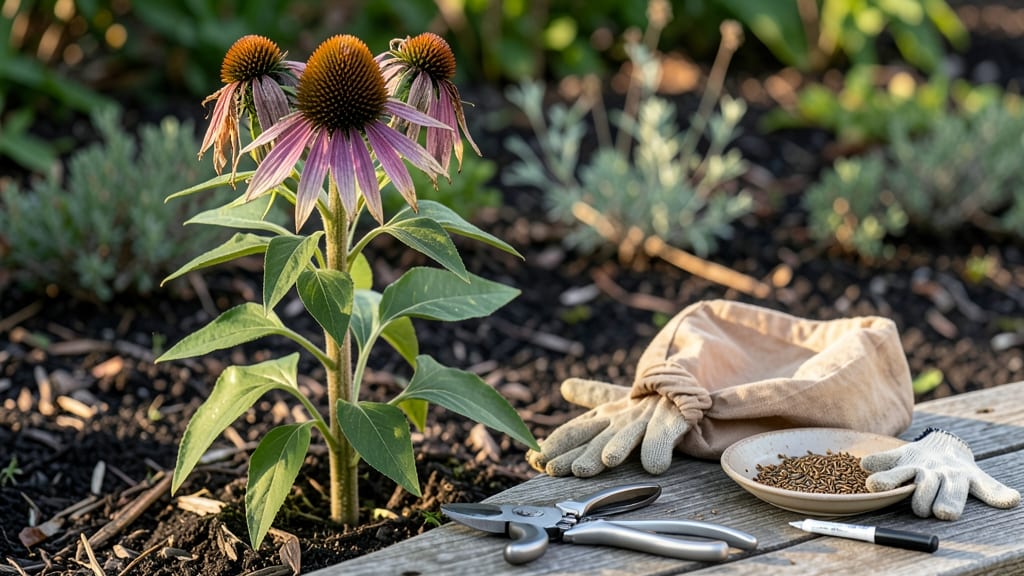
Harvesting purple coneflower seeds 🌸 is easier than you think, and doing it right means you’ll have a fresh supply of these hardy perennials for years to come.
Picture this: your garden bed is dotted with dry, brown seed heads that rattle when you shake them, signaling it’s time to collect. But if you wait too long, the seeds scatter on their own, leaving you empty-handed.
This guide will walk you through the exact timing to harvest—late summer to fall—plus the tools and techniques to ensure your seeds stay viable for planting next spring.
Whether you’re saving seeds for your own garden or sharing with fellow plant lovers, you’ll learn how to dry, store, and even troubleshoot common mistakes that ruin a good harvest.


When to harvest purple coneflower seeds: best timing for optimal viability
Timing is everything when harvesting purple coneflower seeds (Echinacea purpurea). Collect them too early, and you’ll compromise germination rates. Wait too long, and seeds may scatter naturally or lose viability.
The ideal harvest window spans from late fall to early winter, but climate plays a key role in determining the exact moment.
In most regions, aim to harvest seeds after the first frost when seed heads turn completely brown and dry. This typically occurs between October and December, depending on your location.
Northern climates may need to harvest earlier due to colder winters, while southern regions can extend the window into early winter.
Key visual cues include dried, papery petals that have fallen away, leaving only the brown cone. Shake a mature seed head—if seeds rattle loudly inside, they’re ready. Premature harvest (when heads are still green or partially purple) leads to low viability and poor germination.
For northern gardens, prioritize harvesting before snowfall or prolonged freezing. In southern climates, you can wait until early winter, but avoid harvesting after heavy rains, which can reduce seed viability. Always collect seeds on dry, sunny days to prevent mold during storage.
If you miss the ideal window, don’t panic—dried seed heads can remain on the plant through winter. Simply harvest them in early spring before new growth begins. However, germination rates may drop slightly if seeds spend too long on the plant.
Pro tip: Mark a few seed heads with twist ties or flags when they first turn brown. This helps you track maturity across your garden and ensures you’re harvesting at the peak viability window.
Once you’ve identified mature seed heads, use clean, sharp pruners to cut the stems just above the base. Bundle 5-10 stems together and hang them upside down in a well-ventilated, dry space (like a garage or shed) for 2-3 weeks. This allows seeds to fully dry before extraction.
After drying, gently rub the cones between your hands or use a paper bag to catch falling seeds. Store them in an airtight container in a cool, dark place for up to 3 years. Properly harvested and stored seeds will yield healthy, vibrant coneflowers next season.
🌿
Step-by-step guide to harvesting and storing purple coneflower seeds
Once your purple coneflower (Echinacea purpurea) blooms fade and the seed heads turn dry and brown, it’s time to act. Harvesting at the right stage ensures high germination rates and saves you from losing seeds to wind or wildlife.
The key is patience—wait until the petals fall off and the cone rattles when shaken.
Gathering seeds is simple, but proper drying and storage make all the difference. Whether you’re saving seeds for next year’s garden or sharing with friends, follow these steps to keep your purple coneflower seeds viable for up to 3 years.
Let’s get started with the tools and techniques that work best.
How to Harvest Purple Coneflower Seeds
- 1
- 2
- 3
- 4
- 5
After harvesting, I always label my seed packets with the year and variety to avoid confusion later. A simple paper envelope with a marker works perfectly—no need for fancy storage containers. Just make sure to keep them dry to prevent mold, which can ruin your entire batch.
One of my favorite tricks is to test a few seeds before storing the rest. Plant a small batch in potting soil to check germination rates. If they sprout within 2-3 weeks, your stored seeds are likely viable for years to come.
This simple step gives me peace of mind before committing to a full garden replant.
If you’re short on space, you can also store seeds in the freezer for even longer viability. Just place them in a ziplock bag with a silica gel packet to absorb excess moisture.
This method is great for gardeners who want to preserve seeds for multiple years without worrying about temperature fluctuations.
Now that you’ve harvested and stored your seeds, you’re ready to plant them next spring or share them with fellow gardeners.
Just remember: fresh seeds germinate best, so if you’ve stored them for a while, consider stratifying them (placing them in the fridge for a few weeks) to mimic winter conditions and boost germination rates.