
Flowers
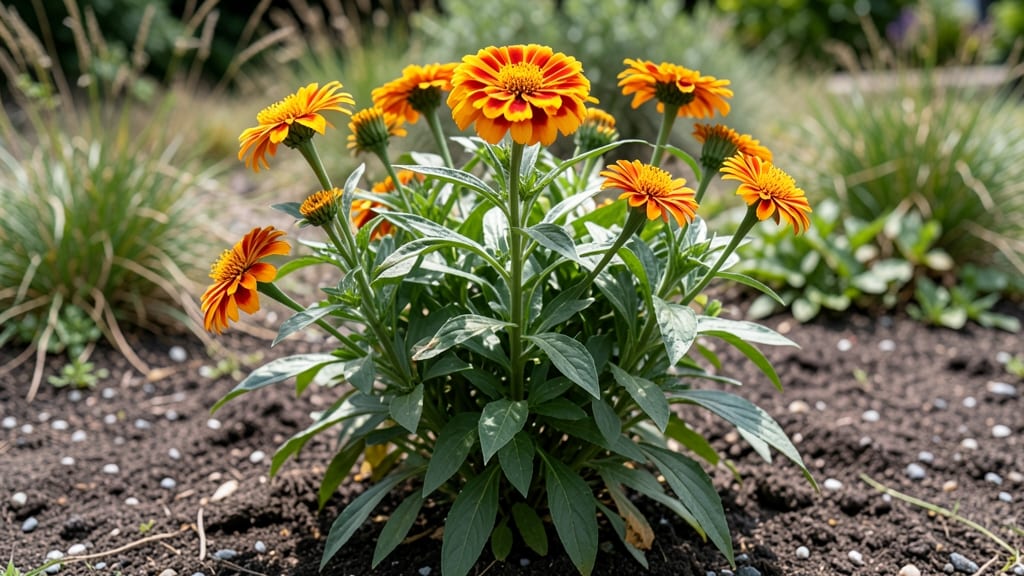
Growing the largest marigold flower 🌼 you’ve ever seen starts with the right variety and care—think 6-foot giants that turn heads in any garden.
Imagine marigolds reaching heights of 6 feet or more, their vibrant blooms creating a stunning focal point in your garden—these aren’t just flowers, they’re architectural masterpieces that demand attention.
Most gardeners stop at the standard 2-foot marigold, but the right techniques—like proper spacing, soil prep, and pruning—can push these sun-loving plants into towering displays.
In this guide, I’ll walk you through the top varieties for maximum size, the soil and sunlight secrets that fuel their growth, and how to keep them thriving from spring to fall.
The 5 tallest marigold varieties that dominate garden beds
If you're dreaming of a garden that commands attention with towering, vibrant blooms, these tallest marigold varieties will deliver. Unlike their compact cousins, these giants can reach heights of 3-6 feet, creating dramatic vertical interest and stunning focal points.
Whether you're lining a pathway, framing a patio, or adding height to mixed borders, these marigolds will transform your garden into a sunlit masterpiece.
Marigolds aren't just about size—they're also pest-deterring powerhouses that repel nematodes and protect nearby vegetables. Their bold colors range from fiery orange to deep crimson, ensuring year-round interest. For full sun gardens, these varieties thrive with minimal fuss, making them perfect for both novice and experienced gardeners alike.
Here are my top 5 tallest marigold varieties that will make your garden beds stand out:
| Variety | Height | Bloom Size | Color Palette | Growth Habit |
|---|---|---|---|---|
| Tangerine Dream | 4-5 ft | 3-4 inches | Golden-orange | Upright, bushy |
| African Sunset | 3-4 ft | 2.5-3.5 inches | Copper, bronze, orange | Tall, branching |
| Jumbo | 3-5 ft | 4-5 inches | Deep orange | Strong, upright |
| Bonanza | 3-4 ft | 2.5-3 inches | Golden-yellow | Compact, bushy |
| Crackerjack | 4-5 ft | 3-4 inches | Orange-red | Tall, sturdy |
'Tangerine Dream' is my personal favorite for its stunning golden-orange blooms that resemble tiny suns. This variety can reach 5 feet tall and produces 3-4 inch flowers that continue blooming all season. Its upright, bushy growth habit makes it perfect for creating natural screens or dramatic backdrops in garden beds.
'African Sunset' is a showstopper with its rich copper and bronze hues. Standing 3-4 feet tall, it features 2.5-3.5 inch blooms that attract pollinators like bees and butterflies. This variety thrives in full sun conditions and pairs beautifully with purple or blue flowers to create striking color contrasts.
For those seeking maximum bloom size, 'Jumbo' marigolds deliver with 4-5 inch flowers in deep orange. These giants grow 3-5 feet tall and have a strong, upright structure that makes them ideal for cutting gardens. Their bold color intensity ensures they remain the focal point of any arrangement.
'Bonanza' is a fantastic choice if you want golden-yellow blooms that brighten up shady corners. While slightly shorter at 3-4 feet, its compact, bushy growth produces abundant 2.5-3 inch flowers. This variety is particularly drought-tolerant, making it perfect for low-maintenance gardens.
Last but not least, 'Crackerjack' marigolds offer a vibrant orange-red color that pops against any garden backdrop. Growing 4-5 feet tall, these tall, sturdy plants produce 3-4 inch blooms that continue flowering until frost. Their long vase life makes them excellent for both garden displays and cut arrangements.
When planting these tall marigold varieties, give them plenty of space—18-24 inches apart—to prevent overcrowding and ensure proper air circulation. Amend your soil with compost or aged manure before planting to provide the nutrients they need for robust growth.
With their sun-loving nature and pest-repelling qualities, these marigolds will reward you with a stunning vertical garden display that lasts all season.
🌼
How to grow giant marigolds: pro tips for maximum size
To grow the largest marigold flower possible, start with the right foundation—your soil. These sun-loving plants thrive in compost-rich soil with a pH between 6.0 and 7.0. I’ve found that amending clay-heavy soil with aged compost or coconut coir makes a world of difference.
The goal? Loose, well-draining soil that encourages deep root growth, which directly supports taller stems and larger blooms.
Next, choose the right varieties for maximum height. African marigolds, like 'Tangerine Dream' or 'Jumbo', are the heavyweights of the marigold world, often reaching 3 to 5 feet tall with blooms as wide as 4 inches.
These varieties are bred for size, so if you’re dreaming of towering marigolds, they’re your best bet. Plant them in full sun (at least 6 hours daily) for the best results.
- 🌱 Soil Prep: Mix in 3-4 inches of compost and a balanced fertilizer (5-10-10) before planting to jumpstart growth.
- 📏 Spacing: Give each plant 18-24 inches of space to prevent competition and encourage vertical growth.
- 💧 Watering: Water deeply 2-3 times per week (morning is best) to promote strong root systems.
- ✂️ Pruning: Pinch back top growth when plants are 6-8 inches tall to encourage bushier, taller stems.
- ☀️ Sunlight: Ensure full sun exposure (6+ hours daily) to maximize bloom size and plant height.
Spacing is one of the most underestimated factors in growing giant marigolds. Crowding stresses plants, leading to shorter stems and smaller blooms. I recommend spacing them 18 to 24 inches apart in rows that are 2 to 3 feet apart.
This gives their roots room to expand and their stems room to stretch toward the sun. If you’re planting in containers, choose large pots (12+ inches wide) and limit to one plant per container to avoid competition.
Watering giant marigolds requires a balanced approach: deep but infrequent. These plants are drought-tolerant once established, but they need consistent moisture during their first 6 weeks to develop strong roots. Water at the base of the plant in the morning to reduce evaporation and fungal risks.
Overwatering can lead to root rot, which stunts growth, so always check the top 1-2 inches of soil before watering again.
Pruning is your secret weapon for encouraging vertical growth. When your marigolds reach 6 to 8 inches tall, pinch off the top set of leaves just above a pair of healthy leaves.
This trick forces the plant to branch out, creating a bushier structure with more stems and larger blooms. Throughout the season, remove spent flowers (deadheading) to redirect energy into new growth rather than seed production. I’ve seen marigolds grow 20% taller with consistent pruning!
Finally, don’t forget to feed your giants. Use a balanced fertilizer (5-10-10) every 4 to 6 weeks during the growing season to provide essential nutrients. For even larger blooms, switch to a low-nitrogen, high-phosphorus fertilizer (like 2-10-10) in mid-summer.
This shift encourages flower production over leafy growth, giving you those showstopping blooms you’re after.