
Flowers
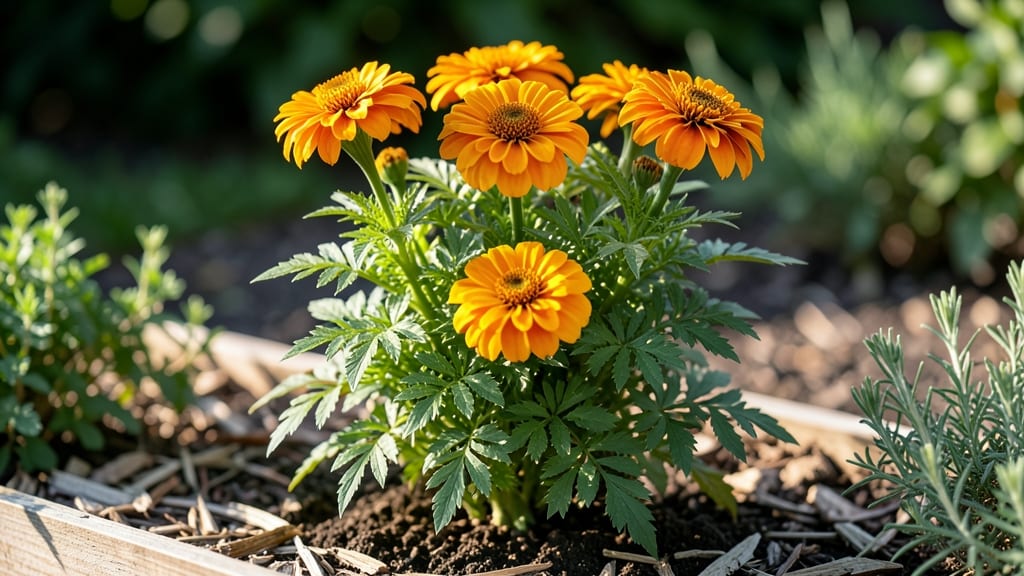
Marigolds flower at the perfect time—brightening your garden from mid-summer through fall while keeping pests away with their bold colors.
Picture this: you’ve just planted your 🌼 marigolds in spring, and by July, they’re already bursting with vibrant orange, yellow, and gold blooms. That’s the magic of these hardy flowers—they thrive in USDA Zone 6a and beyond, rewarding gardeners with weeks of effortless beauty.
But timing isn’t just about the season—it’s also about sunlight, soil, and variety. French marigolds, for example, bloom earlier and longer than African types, while proper deadheading can stretch their season well into October. With the right care, your marigolds won’t just flower—they’ll become the star of your pest-free garden.
Ready to unlock their full potential? I’ll walk you through the best planting windows, sunlight needs, and simple tricks to keep those blooms coming all season long.
Understanding marigold flower time: when and how they bloom
Marigolds are one of the most rewarding flowers to grow, offering vibrant colors and natural pest control while being surprisingly low-maintenance. Their flowering time varies based on variety, climate, and care, but with the right approach, you can enjoy blooms from early summer through fall.
The key to maximizing their pest-repellent benefits lies in understanding their natural bloom cycles and how to encourage continuous flowering.
Most marigolds begin flowering 60-75 days after planting, but this timeline shifts depending on whether you start from seeds or transplants. Early bloomers like French marigolds often flower in 50-60 days, while larger varieties like African marigolds may take 70-80 days.
The secret to extending their bloom time lies in proper planting timing, sunlight exposure, and soil conditions—all of which we'll explore in detail below.
| Factor | Early Bloomers | Mid-Season Bloomers | Late Bloomers |
|---|---|---|---|
| Planting Time | April (after frost) | March-April | Late April-May |
| Days to Bloom | 50-60 days | 60-70 days | 70-80+ days |
| Sunlight Needs | 6+ hours daily | 6+ hours daily | 6+ hours daily |
| Soil pH | 6.0-7.0 | 6.0-7.5 | 6.5-7.5 |
| Bloom Duration | Summer-Fall | Early Summer-Frost | Mid Summer-Frost |
| Pest Control | Excellent | Very Good | Good |
| Best Varieties | French marigolds | Signet marigolds | African marigolds |
For the earliest blooms, plant French marigolds in late March or April, as they thrive in cooler temperatures and flower quickly. These compact varieties (12-18 inches tall) are perfect for borders and containers, repelling aphids and whiteflies effectively.
If you're aiming for mid-summer to fall color, signet marigolds offer a longer bloom window and unique frilly petals that attract pollinators while keeping pests away.
The sunlight requirements for marigolds are non-negotiable—they demand at least 6 hours of direct sun daily to produce abundant blooms. Plant them in a location where they receive morning sun and afternoon light, as this prevents wilting and encourages stronger stems.
If your garden has partial shade areas, consider dwarf varieties like 'Bonanza' or 'Tangerine', which tolerate slightly less light while still delivering pest-repellent benefits.
Soil plays a crucial role in marigold flowering time. These plants prefer well-draining, slightly acidic to neutral soil (pH 6.0-7.5). Amend heavy clay soil with compost or sand to improve drainage, as waterlogged roots can stunt growth and delay blooming.
A light application of balanced fertilizer (5-10-5) at planting and again when buds form will give your marigolds the nutrients they need to bloom prolifically.
One of the easiest ways to extend marigold flower time is through deadheading. Simply pinch off spent blooms with your fingers or pruners to encourage new flowers to form.
This simple task can prolong blooming by 4-6 weeks, especially in African marigolds, which often produce larger, longer-lasting flowers. Pair deadheading with regular watering (every 3-5 days) to keep the soil moist but not soggy—this balance is key to preventing fungal diseases that can cut blooms short.
If you're planting marigolds for maximum pest control, focus on early spring planting (March-April) to give them time to establish roots before pests become active. Their strong scent deters nematodes, aphids, and even rabbits, making them an excellent companion plant for vegetables like tomatoes and peppers.
For fall gardens, start seeds indoors 8-10 weeks before the last frost to ensure they bloom before cold weather arrives.
For gardeners in warmer climates (Zones 8-10), marigolds can bloom nearly year-round with minimal care. In these regions, plant successive crops every 2-3 weeks to maintain continuous color and pest protection. Even in cooler zones, a thick mulch layer (2-3 inches
Best marigold varieties for prolonged flower time and pest control
Choosing the right marigold varieties can transform your garden into a pest-free paradise while extending your flowering season from early summer to frost. The three main types—French marigolds, African marigolds, and Mexican marigolds—each offer unique benefits for bloom duration and pest control.
Let’s break down their strengths so you can pick the perfect fit for your garden layout.
French marigolds are the workhorses of pest control, thriving in cooler climates and producing smaller, dense blooms that repel nematodes and aphids. African marigolds, with their large, showy flowers, dominate the landscape and extend bloom time with proper care.
Meanwhile, Mexican marigolds bring a longer flowering season and intense fragrance, making them ideal for border plantings and cutting gardens.
| Variety | Bloom Duration | Pest Control Strength | Best For |
|---|---|---|---|
| French Marigolds | 6-8 weeks | Excellent (nematodes, aphids) | Vegetable gardens, borders |
| African Marigolds | 8-10 weeks | Good (aphids, whiteflies) | Cutting gardens, containers |
| Mexican Marigolds | 10-12 weeks | Strong (mosquitoes, beetles) | Pest barriers, long-season blooms |
For maximum pest control, plant French marigolds around your vegetable patches—their potent scent deters nematodes, which can devastate root crops. Mix African marigolds into container gardens or flower beds for their bold colors and extended bloom time.
If you want longer flowering seasons, Mexican marigolds are your best bet—they often bloom until first frost with minimal care.
To extend flower time across all varieties, plant in successive waves—start with early-blooming French marigolds in spring, followed by African marigolds in early summer, and finish with Mexican marigolds for fall color. This staggered approach ensures your garden stays vibrant and pest-free from spring to frost.
Don’t forget to deadhead regularly—this simple task removes spent blooms and signals the plant to produce more flowers. Combine this with a balanced fertilizer (like 5-10-5) every 4-6 weeks during the growing season to keep your marigolds thriving.
With the right variety mix and care, your marigolds will repel pests and brighten your garden for months.
For optimal pest control, place marigolds near susceptible plants like tomatoes, peppers, and cucumbers. Their natural repellent properties create a protective barrier, reducing the need for chemical interventions.
Pair this with mulching to retain moisture and suppress weeds, and you’ll have a low-maintenance, high-impact garden that keeps bugs away and blooms all season long.