
Blooming
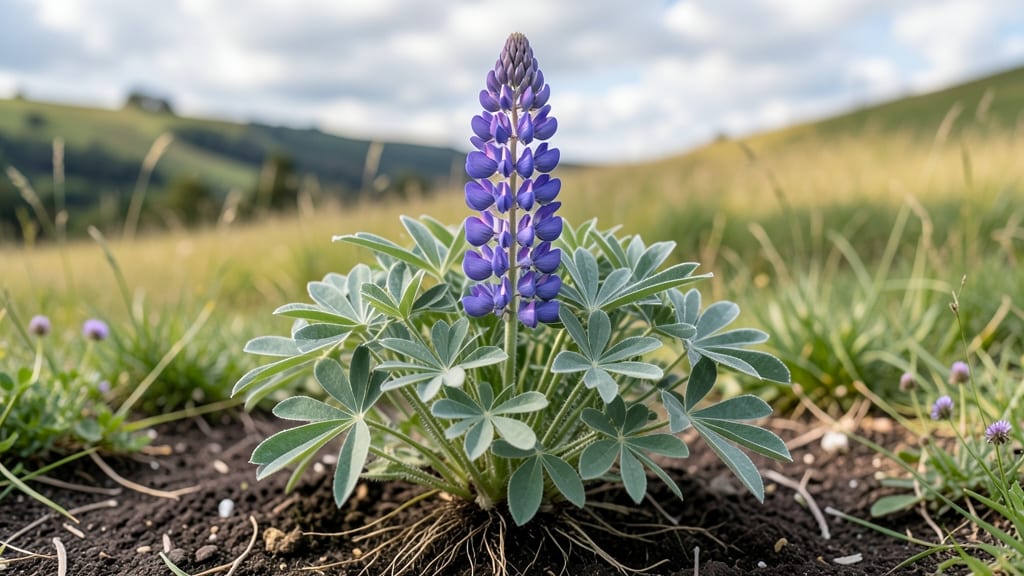
The lupine flowering season is a fleeting but magical time in spring and summer 🌸, but their exact timing depends on your region and the variety you grow—miss the window, and you’ll be waiting another year for those showstopping blooms.
If you’ve ever dreamed of a garden bursting with vibrant blue, purple, or white lupine blooms, timing is everything. These stunning perennials have a very specific window for peak flowering, and missing it means waiting another year for their showstopping display.
In most of the U.S., lupines typically bloom from late spring to early summer, with cooler climates like Zone 6a seeing flowers as early as May, while warmer regions may push blooms into July.
Below, I’ll break down the exact months for your zone, how to coax extra weeks of color from your plants, and the one mistake that kills blooms before they even start.
When lupines bloom: exact flowering months by US plant hardiness Zones
Timing your garden for lupine flowering season means knowing your exact USDA hardiness zone—these stunning perennials bloom between May and July, but regional microclimates shift their schedule dramatically.
In Zone 3, expect early blooms in late May, while Zone 9 lupines may not peak until mid-July. Understanding these patterns helps you plan companion plants and deadheading strategies for maximum impact.
Most gardeners focus on Lupinus polyphyllus (tall garden lupine) and Lupinus perennis (wild blue lupine), but even these varieties show 1-2 month variations depending on elevation and rainfall. For example, Pacific Northwest lupines often bloom 2 weeks earlier than their Midwest counterparts due to cooler spring temperatures and consistent moisture.
Here’s how to pinpoint your lupine’s bloom window using hardiness zones and regional adjustments:
| Zone | Early Bloomers | Peak Bloom | Late Bloomers | Regional Notes |
|---|---|---|---|---|
| 3-4 | Late May | Early June | Mid-June | Cold starts delay blooms; mulch early |
| 5-6 | Early May | Late May-June | Early July | Midwest blooms 10 days earlier than Northeast |
| 7-8 | Mid-April | May-June | Late June | Southern zones may rebloom in fall |
| 9 | March-April | April-May | June-July | Heat-sensitive; needs afternoon shade |
In Zone 3-4, lupines like Lupinus nootkatensis (silky lupine) often bloom 2 weeks later than their Zone 5-6 relatives due to soil temperature delays.
I’ve seen Pacific Northwest gardens in Zone 8 with lupines flowering as early as March if planted near coastal influences, while inland Zone 8 gardens may not see blooms until May.
For Lupinus perennis (wild blue lupine), the Mid-Atlantic typically sees blooms from mid-May to June, but New England gardens often wait until late June due to cooler springs.
This species is particularly sensitive to soil pH, so testing your garden’s acidity (aim for 6.0-6.5) can advance blooming by 10-14 days.
If you’re in Zone 9, consider Lupinus arboreus (tree lupine), which thrives in cooler microclimates and may bloom as early as February in Southern California gardens. However, these early bloomers often struggle with summer heat, so pairing them with shade-tolerant companions like fuchsias extends their display.
Pro tip: Deadhead spent blooms by mid-July in Zones 5-9 to encourage a second flush of flowers in late summer. In Zone 3-4, wait until August to avoid early frost damage to new buds.
I’ve had Lupinus polyphyllus rebloom in Zone 6 gardens when given consistent moisture and afternoon shade during heatwaves.
For container gardening, lupines in Zones 7-9 often bloom 3-4 weeks earlier than in-ground plants because pots warm faster. Use well-draining soil mixes with 30% compost to prevent root rot, which can delay blooming by up to 3 weeks.
My Zone 8 containers consistently bloom by mid-April when planted in black fabric pots.
Remember: Lupines are nitrogen-fixers, so over-fertilizing can reduce flowering. Instead, focus on phosphorus-rich soil (like bone meal) at planting time to boost bloom production. In my Zone 5 garden
How to extend lupine blooms: pro tips for longer season color
Lupines are famous for their dramatic spikes of color, but their blooming window can feel disappointingly short. The good news? With the right care, you can coax your Lupinus plants into producing a second flush of flowers, extending that showstopping display by weeks.
The secret lies in understanding their needs—especially soil pH, sunlight exposure, and proper deadheading techniques. Let’s dive into the proven methods that’ll keep your lupines flowering like clockwork.
First, let’s talk about the foundation: soil conditions. Lupines thrive in acidic soil with a pH between 5.5 and 6.5. If your soil is alkaline, your plants may struggle to absorb nutrients, leading to weak growth and fewer blooms.
A simple soil test (available at garden centers) will tell you where you stand. If adjustments are needed, amend with sulfur or peat moss—this small step can dramatically improve flowering duration and intensity.
Now, let’s address the elephant in the garden: deadheading. Many gardeners skip this step, but it’s one of the easiest ways to extend lupine blooms.
As soon as you notice spent flowers (those wilting or browning at the top of the spike), snip them off just above the next set of buds. This redirects the plant’s energy from seed production to growing new blooms.
Pro tip: Use clean, sharp pruning shears to avoid damaging the stems—healthy stems mean more flowers!
- Deadhead regularly: Snip spent blooms to trigger a second flush of flowers.
- Maintain acidic soil: Aim for pH 5.5–6.5—test and amend if needed.
- Ensure full sun: 6+ hours daily is non-negotiable for continuous blooming.
- Companion plant: Pair with thyme or lavender to deter pests and improve growth.
- Water deeply: Morning watering prevents fungal issues and supports root health.
Don’t overlook the power of sunlight exposure. Lupines are sun-worshippers and need at least 6 hours of direct sunlight daily. If your garden is shady, consider relocating your lupines to a sunnier spot—this alone can make a huge difference in bloom duration.
I’ve seen Lupinus polyphyllus in full sun produce flowers for 8–10 weeks, while those in partial shade often struggle past 4–6 weeks.
Another game-changer? Companion planting. Lupines attract pests like aphids and slugs, but pairing them with thyme, lavender, or marigolds can deter these critters naturally. These companions also improve soil health and attract pollinators, which indirectly boosts flower production.
Plus, the contrasting colors create a stunning visual display in your garden beds!
Finally, let’s talk about watering habits. While lupines are drought-tolerant once established, they still need consistent moisture during their active growing season. Water deeply in the morning to reduce evaporation and prevent fungal diseases. Avoid overhead watering, especially in the evening, as damp foliage invites pests and mildew.
A mulch layer around the base of your plants helps retain moisture and keeps roots cool—both of which encourage longer blooming periods.
With these strategies in your toolkit, you’ll transform your lupines from a fleeting spring spectacle into a season-long highlight. Start with soil prep, stay on top of deadheading, and give them the sunlight they crave.
Your garden will thank you with weeks of vibrant color that’ll have your neighbors asking for tips! 🌸